More than 70,000 people have been displaced as conflict in famine-stricken Sudan intensifies, forcing residents to abandon homes amid ongoing assaults by paramilitary forces in Darfur.
The Rapid Support Forces (RSF) has expanded its military operations, sending thousands fleeing as conflict in famine-stricken Sudan continues to spread eastwards, creating a worsening humanitarian crisis.
Reports indicate atrocities committed in el-Fasher have sparked widespread fear, pushing residents to seek safety in neighboring towns as the RSF prepares for further offensives in Sudan.
Displaced families describe harrowing escapes from violence, witnessing killings, sexual assaults, and mass abductions, illustrating the devastating human cost of conflict in famine-stricken Sudan over the past week.
Aid agencies warn that the humanitarian situation across North and South Kordofan is deteriorating rapidly, with limited access to food, water, and medical care as conflict in famine-stricken Sudan persists.
International organizations report more than 1,200 people were forced to flee Bara and Um Rawaba in North Kordofan in a single day, highlighting the scale of displacement in Sudan.

The RSF’s advance toward el-Obeid, central Sudan, has alarmed authorities, as both sides prepare for major clashes while civilians continue to flee, intensifying the conflict in famine-stricken Sudan.
The Sudanese army maintains control over el-Obeid, but both military forces are mobilizing heavily, signaling an imminent battle that threatens further civilian displacement and suffering in Sudan’s eastern regions.
Videos circulating online show RSF forces converging near Bara, northeast of el-Obeid, signaling planned attacks and causing panic among nearby communities as conflict in famine-stricken Sudan spreads.
The United Nations warns that ongoing violence will further aggravate displacement, estimating tens of thousands more could be forced from their homes if the RSF proceeds with its offensive in Sudan.
Since the RSF’s takeover of el-Fasher on October 26, over 70,000 people have fled, with many trapped in nearby towns under precarious living conditions, exacerbating the crisis in Sudan.
Witnesses report atrocities, including summary executions and torture of civilians, reflecting the indiscriminate violence driving mass displacement amid conflict in famine-stricken Sudan and raising concerns for international human rights agencies.
Children and women comprise the majority of displaced populations, often arriving in overcrowded shelters with inadequate food and medical support, reflecting the severe humanitarian impact of conflict in Sudan.
Reports indicate that several thousand individuals remain missing after fleeing el-Fasher, with their fate unknown as the RSF continues to expand its control across North Darfur and neighboring regions of Sudan.
Satellite images and field reports reveal destroyed infrastructure and abandoned homes, emphasizing the scale of destruction contributing to the ongoing conflict in famine-stricken Sudan and leaving communities without basic necessities.
Aid organizations note that malnutrition rates are rising sharply among displaced populations, with hundreds of thousands already at risk, highlighting the urgent need for humanitarian intervention as conflict in Sudan escalates.
In Northern State towns like al-Dabbah, residents displaced multiple times now fear returning home, with many planning to move again as the RSF threat continues, intensifying the ongoing conflict in Sudan.
Eyewitnesses recount horrific attacks, including children shot in the streets and civilians targeted in their homes, illustrating the indiscriminate brutality driving displacement during the conflict in famine-stricken Sudan.
The Integrated Food Security Phase Classification confirmed famine in el-Fasher and Kadugli, while other regions in Darfur and Kordofan face severe food insecurity due to continued military operations in Sudan.
Estimates suggest 375,000 people were already living in famine conditions before recent fighting, with 6.3 million more at risk of extreme hunger, emphasizing the catastrophic overlap of conflict and famine in Sudan.
Humanitarian agencies stress that without ceasefire agreements and safe corridors, further starvation and malnutrition-related deaths are inevitable, as conflict in famine-stricken Sudan continues to escalate without relief.
Local residents describe streets littered with bodies and families torn apart, reflecting the psychological trauma alongside physical devastation inflicted by the RSF in Sudan’s war-torn regions.
International investigations are now underway, with the International Criminal Court collecting evidence of war crimes, including ethnic targeting, abductions, and sexual violence during the RSF’s operations in Sudan.
The ICC warns that crimes committed in Darfur may constitute war crimes and crimes against humanity, emphasizing the need for accountability as the conflict in famine-stricken Sudan continues to unfold.
Survivor testimonies include accounts of relatives abducted, tortured, and executed, demonstrating the RSF’s systematic targeting of civilians during the military campaigns driving the humanitarian crisis in Sudan.
As violence intensifies, aid agencies struggle to provide support to displaced populations, with insufficient food, shelter, and medical care compounding the suffering caused by conflict in famine-stricken Sudan.
The situation in el-Obeid and surrounding areas remains tense, with both RSF and army forces preparing for battle, signaling further displacement and increased risk for civilians caught in Sudan’s escalating conflict.
Without intervention, the combination of armed conflict and famine threatens to devastate Sudan further, leaving millions at risk and highlighting the urgent need for international attention to the ongoing crisis.
The RSF’s expansion into central Sudan has caused widespread panic, forcing residents to flee repeatedly, illustrating the relentless spread of conflict in famine-stricken Sudan and the growing humanitarian emergency.
Aid agencies, local authorities, and international observers continue to monitor the situation, warning that without immediate action, more lives will be lost to violence and starvation across Sudan’s conflict-affected regions.
The persistence of mass killings, torture, and forced displacement underscores the urgency of ending hostilities, protecting civilians, and providing humanitarian relief to those suffering in famine-stricken Sudan.
The growing crisis has drawn international condemnation, with calls for ceasefire and unrestricted humanitarian access, as the scale of displacement and famine caused by the RSF remains unprecedented in Sudan.
In camps hosting displaced families, shortages of food and medicine are widespread, forcing residents to rely on limited aid while fearing that renewed RSF attacks could engulf their temporary shelters.
Reports indicate that multiple towns are on the brink of famine due to the combined effects of ongoing military campaigns, crop destruction, and restricted access to humanitarian assistance in conflict-ridden Sudan.
Families fleeing violence in Darfur continue to endure extreme hardship, often traveling long distances under unsafe conditions, as the conflict in famine-stricken Sudan threatens to engulf larger areas of the country.
The UN and other agencies emphasize the importance of urgent funding and international support to mitigate starvation risks and provide essential relief to displaced populations amid Sudan’s growing conflict.
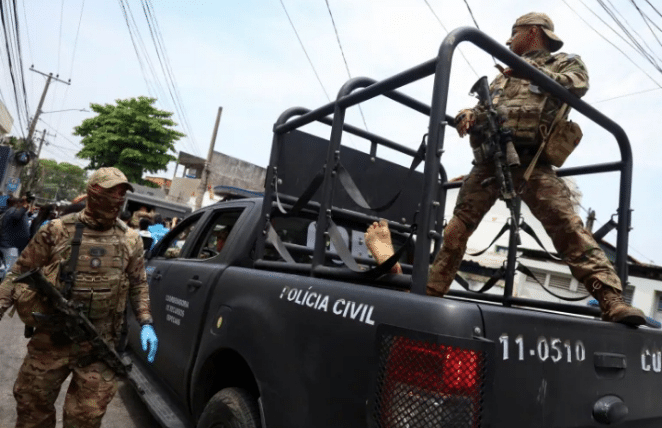
The ICC investigation will target evidence of atrocities committed in el-Fasher and beyond, aiming to hold perpetrators accountable for crimes committed during the RSF’s military operations in Sudan.
Without urgent humanitarian intervention, the combination of armed conflict and famine could result in mass casualties, emphasizing the severity of the situation in famine-stricken Sudan and the urgent need for international action.
Communities in North and South Kordofan face repeated displacement, with families often forced to abandon homes and livelihoods, highlighting the unrelenting impact of conflict in Sudan’s most vulnerable regions.
Aid agencies continue to report increased cases of malnutrition, disease outbreaks, and psychological trauma among displaced populations, underscoring the urgent need for medical support amid the ongoing conflict in Sudan.
The RSF’s planned offensive in el-Obeid has heightened fear among local populations, with communities fleeing in anticipation of attacks, further fueling the ongoing humanitarian crisis in famine-stricken Sudan.
With the continued escalation of violence and displacement, the international community faces mounting pressure to broker ceasefires and deliver humanitarian aid to populations trapped in Sudan’s conflict zones.
As Sudan’s conflict intensifies, the combination of armed hostilities, famine, and mass displacement threatens to create a catastrophic situation with long-term implications for regional stability and human survival.
The plight of civilians remains at the center of concern, as repeated attacks, abductions, and killings by the RSF continue to push thousands from their homes in famine-stricken Sudan.
Global organizations continue to document atrocities and call for accountability, emphasizing that the ongoing conflict in Sudan is marked by systematic violations of human rights and international humanitarian law.
About The Author