Seventeen returning IDPs were killed in the Tse Ajogo Attack as armed men stormed the Taraba village, burning homes and leaving many missing in Wukari.
The tragic events of Wednesday morning in Taraba State have once again drawn national attention to the insecurity confronting rural communities, particularly those attempting to rebuild their lives after displacement.
The Tse Ajogo Attack has plunged Wukari Local Government Area into deep sorrow, as 17 returning Internally Displaced Persons (IDPs) were killed when armed men invaded the settlement at dawn.
This fresh incident comes barely weeks after a previous assault on the same community, revealing that the road to resettlement remains fraught with danger for many families.
Tse Ajogo, a small village situated approximately four kilometres from Rafin Kada town, had recently welcomed its displaced residents back after months of hiding in surrounding areas.
Many were optimistic about starting over, cultivating their farmlands again, rebuilding damaged homes, and returning to the peaceful routines that defined life before the violence.
Unfortunately, the Tse Ajogo Attack shattered that fragile hope, replacing it with fear, anguish, and uncertainty.
Eyewitnesses who narrowly survived the assault recounted that the gunmen arrived at about 6 a.m., a time when villagers were just beginning their day.
According to survivors Bernard Atom Atoo Tyokongu and Mwuese Gesa, the attackers moved into the village with terrifying precision, firing shots in every direction without warning.
Their entry triggered chaos as residents scattered into bushes, streams, and farmlands, desperate to escape the onslaught. Some managed to flee, but many others were not so fortunate.
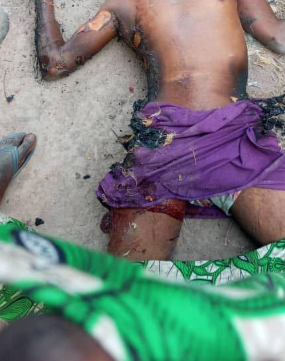
By the time the shooting subsided, 17 bodies had been recovered. Several of them were men and women who had only recently returned home after months of displacement.
Eight others sustained severe gunshot injuries and were rushed to nearby medical centres, while dozens remained missing as community members continued combing the surrounding bushes.
In addition to the human casualties, seven houses were set ablaze, reducing newly rebuilt homes to ashes and erasing the little progress residents had made since returning.
Eyewitnesses insisted that they recognised the identities of those responsible.
They described the group as a “combined team” consisting of both Fulani and Jukun youths—two communities whose relationship has long been strained by cycles of violence, territorial disputes, and reprisals within Wukari and several parts of Taraba State.
According to the survivors, the attackers were not strangers passing through but individuals known to many residents of Tse Ajogo.
This recognition deepened the community’s pain, suggesting that the assault was not an impersonal act of banditry but a targeted strike.
“The Tse Ajogo Attack is the second assault we have faced within two months,” one of the eyewitnesses lamented.
He explained that the first attack had displaced dozens, forcing them to seek refuge elsewhere.
After receiving assurances from authorities and believing the danger had subsided, the IDPs had returned.
Many had hoped that the new year would bring relief and the opportunity to live without constant fear.
Instead, the latest assault has rekindled anxiety and raised questions about whether it is truly safe for displaced villagers to resettle.
The Chairman of the Tiv Cultural and Social Association in Wukari Chapter, Mr. Aondowase Tor-Orshi, confirmed the incident and expressed deep concern about the recurring violence in the area.
He described the situation as unacceptable and urged authorities to take urgent action to prevent further bloodshed.
He stressed that Tiv IDPs, who form a significant portion of the returning villagers, have suffered repeated attacks while attempting to reclaim their ancestral homes.
Tor-Orshi called on security agencies to intensify patrols around border communities, especially those that have recently experienced violence.
He emphasised that restoring peace in Wukari requires not only military presence but also mutual trust-building and conflict resolution between ethnic groups such as the Tiv, Fulani, and Jukun.
He noted that unresolved grievances have fuelled clashes for years, and unless properly addressed, communities like Tse Ajogo will continue to experience attacks.
As search efforts continued throughout the day, villagers remained anxious. Some families cried over missing relatives, unsure whether to expect a rescue or the discovery of more bodies.
Local leaders organised small volunteer groups to help track those who fled and monitor nearby bushes for signs of movement.
Women and children huddled together in makeshift shelters, their faces marked by fear, exhaustion, and grief.
The Tse Ajogo Attack has also reignited a broader conversation about the plight of IDPs across Taraba and neighbouring states.
Thousands of families have been displaced by communal conflicts, farmer-herder clashes, and land disputes over the years.


About The Author