


Taiwan has reported its first confirmed case of chikungunya fever, imported from China, where a historic outbreak of the mosquito-borne virus is underway. The case was detected in a Taiwanese woman who had traveled to Foshan, a manufacturing hub in southern China’s Guangdong province, and returned to Taiwan on July 30.
The Centers for Disease Control (CDC) in Taiwan has raised its travel advisory for Guangdong province to level 2 out of 3, urging travelers to use “enhanced precautions”. Chikungunya virus can lead to high fever, rash, headache, nausea, and fatigue lasting up to seven days, and muscle and joint pain that can last for several weeks.
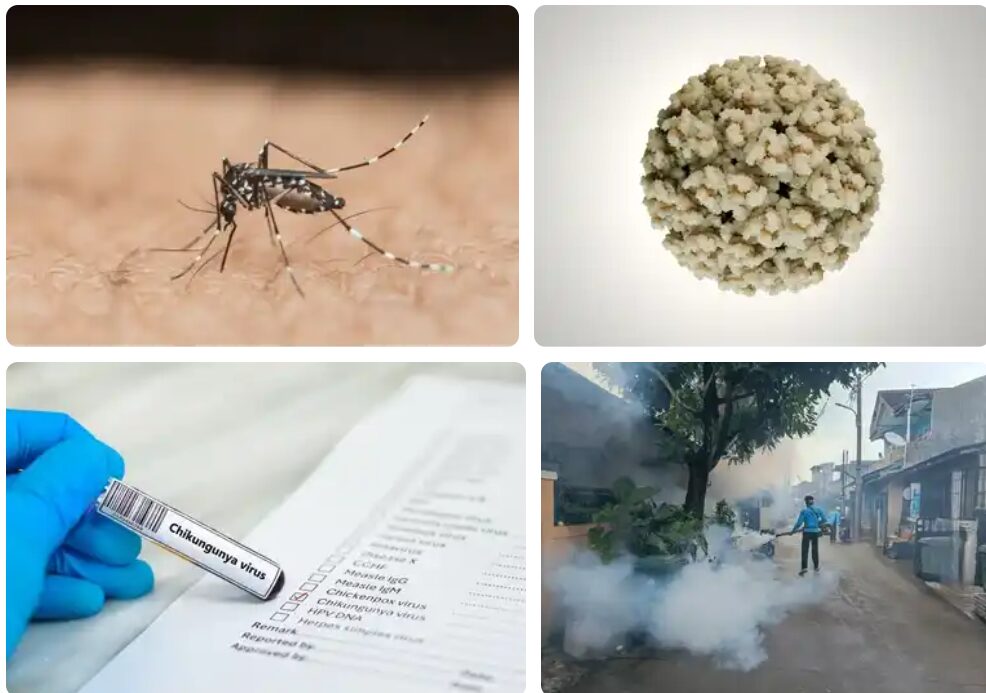
The outbreak in Foshan and surrounding areas has unfolded rapidly and at a scale unprecedented for China, according to Roger Hewson, virus surveillance lead at the UK’s Wellcome Sanger Institute. The surge is due to limited immunity in China and “environmental suitability” for the virus-carrying Aedes aegypti and Aedes albopictus mosquitoes, which breed in stagnant water.
Chinese health authorities have responded with containment strategies ranging from household-level inspections and enforced bed nets to drone-based fogging and quarantines. Residents of Foshan can be fined up to 10,000 RMB ($1,400) for keeping water in outdoor containers, a popular breeding ground for mosquitoes.
The outbreak follows more than a month of typhoons and heavier-than-usual monsoon rains in China. Despite the historic number of chikungunya cases, the outbreak appears to have finally peaked, with a downward trend in newly reported cases across the province. Kang Min, director of the infectious disease control institute at the Guangdong Provincial Center for Disease Control and Prevention, said, “The recent surge has been initially contained, with a downward trend in newly reported cases across the province”.
About The Author
