


In war-torn Sudan, civilians are resorting to eating animal feed due to severe food shortages and spiraling prices. The situation is particularly dire in El Fasher, where the cost of basic goods is nearly $1,000 per household per month, far beyond the reach of most families. This has led to thousands facing starvation, with the Office for the Coordination of Humanitarian Affairs warning of a deteriorating situation that puts civilians’ lives at risk.
The ongoing civil war in Sudan has led to a catastrophic food security crisis, with millions of people struggling to access basic necessities. The conflict, which began in April 2023, has displaced over 10 million people and left nearly 25 million facing extreme hunger. The situation is particularly dire in regions such as Darfur, Kordofan, and Khartoum, where food shortages and soaring prices have forced community-run kitchens to shut down.
As a result, many Sudanese are resorting to desperate measures to survive. Reports indicate that some individuals are eating animal feed, weeds, and wild plants to quiet their hunger pangs. The World Food Programme has warned that without urgent humanitarian assistance, almost 5 million people could slip into catastrophic food insecurity in the coming months. The situation is further exacerbated by the country’s economic woes, including skyrocketing prices of basic commodities and a contracting economy.
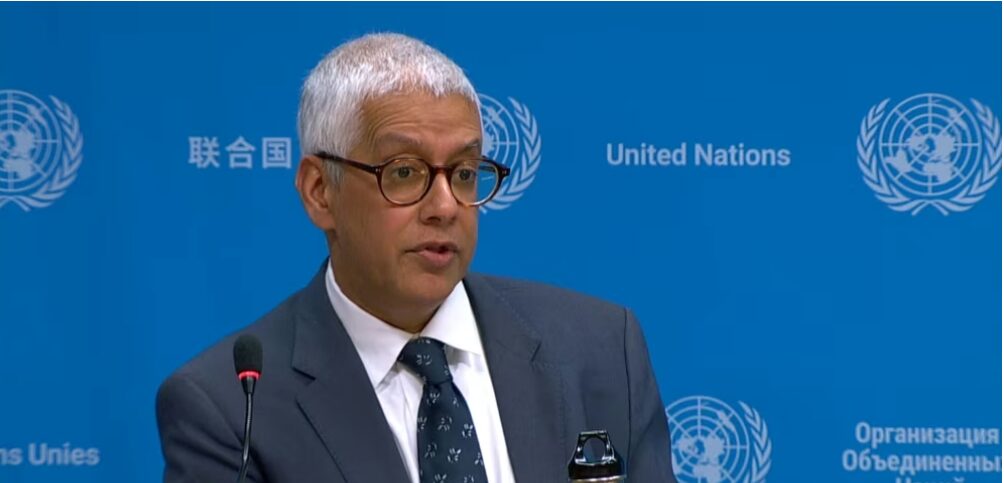
The Integrated Food Security Phase Classification (IPC) report reveals a grim picture, with over half of Sudan’s population facing acute food insecurity. The report projects that between June and September 2024, the number of people facing crisis-level acute food insecurity will rise to 25.6 million, a 45% increase from the previous projection period. North Darfur is particularly affected, with over 62,000 people facing famine-like conditions.
The conflict has also disrupted Sudan’s agricultural sector, leading to halts in harvesting, declining production, and disrupted planting. Farmland, livestock, and factories have been damaged or destroyed, further exacerbating the food security crisis. The country’s agricultural potential, once seen as a solution to regional food insecurity, is now under threat.
To avert a famine, immediate action is necessary. The international community must respond swiftly to deliver essential supplies, including food assistance and nutrition interventions. Restoring humanitarian access, scaling up nutrition interventions, and supporting livelihoods are critical steps in addressing the severe hunger crisis. The situation in Sudan demands urgent attention and action to prevent a humanitarian disaster.
About The Author
