
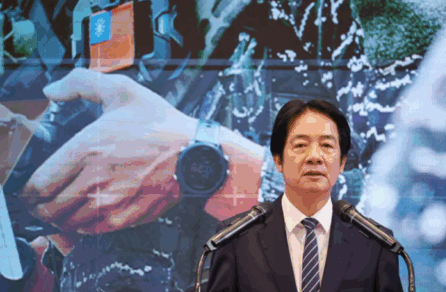
Taiwan defence budget expansion dominated political debate on Wednesday as President William Lai Ching-te introduced an eight-year investment plan aimed at reinforcing national security against intensifying regional pressures.
Lai explained that the new commitment represented a shift toward long-term stabilisation, stressing that defence readiness required continual upgrades, calibrated spending, and sustained political support across Taiwan’s major parties.
Officials close to the administration argued that the initiative reflected realistic assessments of the China military threat, which Taipei believes has increased in frequency, scale, and urgency over the past decade.
Speaking in Taipei, Lai said the William Lai defence plan sought to strengthen deterrence by investing heavily in innovation, including advanced sensors, unmanned systems, and enhanced early-warning capabilities designed to protect coastal regions.
The president described his proposals as responsible, strategic, and future-oriented, noting that external partners had encouraged Taipei to modernise rapidly as a complement to growing US-Taiwan security ties.
The government said the spending would unfold gradually but steadily, ensuring the military could adapt to evolving challenges while avoiding sudden budget shocks that might undermine long-term planning efficiency.
According to defence ministry analysts, the initiative aligns with global assessments warning that geopolitical tensions could accelerate unexpectedly, compelling Taiwan to expand procurement pipelines earlier than previously anticipated.
Military planners emphasised that most investments would target asymmetric capabilities, which they said offered higher value, faster deployment timelines, and better suitability for Taiwan’s defensive operational environment.
Lai acknowledged critics who argued the plan was ambitious, but he insisted the Taiwan defence budget must evolve at the same pace as regional strategic realities, not the other way around.
Economists noted that the financial framework was structured to limit economic disruption, with spending increases distributed across multiple fiscal cycles and paired with steady domestic industrial participation.
Opposition legislators responded cautiously, expressing concerns about total costs but conceding that new technologies, including those linked to Taiwan air defence upgrade efforts, required timely implementation.
Political analysts said the William Lai defence plan reflected shifting public attitudes, as surveys indicated rising support for stronger deterrence measures amid persistent demonstrations of Chinese military strength.
US officials welcomed the proposal, publicly praising Taipei for what they described as necessary and responsible steps that complemented Washington’s broader regional commitments centred on stability, cooperation, and resilience.
American defence representatives said the initiative strengthened US-Taiwan security ties by enabling more predictable procurement channels, allowing both sides to coordinate more efficiently on long-term operational needs.
Lai reiterated that the spending increase was not tied to trade negotiations, insisting the government acted independently based on security assessments, not external pressures or diplomatic bargaining.
He argued that across Asia, governments were adjusting defence strategies in response to shifting geopolitical dynamics, and Taiwan could not afford complacency in the face of mounting uncertainty.
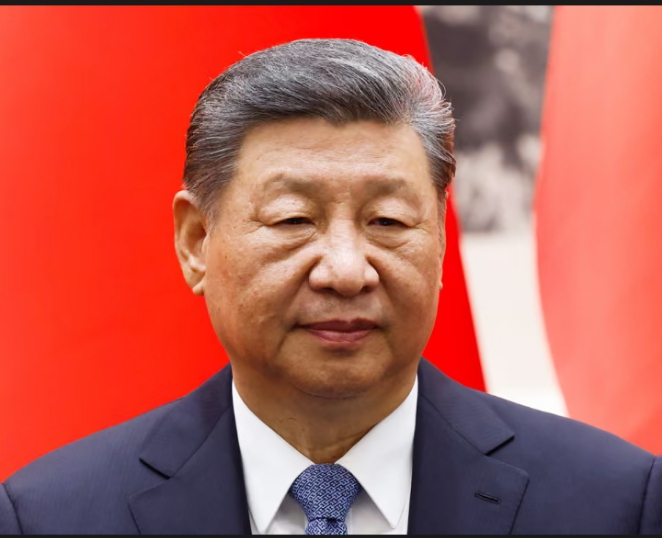
Beijing officials criticised the announcement, accusing Taiwan of escalating tensions and claiming the island was misled by external actors determined to reshape the regional balance for strategic advantage.
China’s Taiwan Affairs Office said Taipei was adopting policies that encouraged confrontation, warning that actions increasing reliance on foreign security guarantees would only deepen cross-strait mistrust.
Taipei rejected those claims, stating that self-defence was a constitutional responsibility and that the government would never allow its security decisions to be dictated by political pressure from Beijing.
Analysts in Tokyo said Japan was monitoring developments closely, noting the dispute between Tokyo and Beijing following comments from Japanese leaders signalling willingness to support Taiwan under certain circumstances.
Regional observers said such remarks reflected broader recognition that instability in the Taiwan Strait would have far-reaching economic and security consequences affecting global supply chains and strategic infrastructure.
International defence specialists highlighted that the plan’s technological focus paralleled trends observed in other democracies, which increasingly emphasise multi-domain integration and rapid innovation cycles.
Taiwanese officials said the new capabilities would improve communication between different service branches, enabling faster decision-making and more cohesive responses to fast-moving military developments.
Lai stressed that operational readiness must be elevated by 2027, citing assessments suggesting that the China military threat could peak during that period due to shifting regional power calculations.
He said Taiwan would not wait for external warnings before adjusting its strategy, emphasising that responsible leadership required anticipating risks and investing prudently before potential crises emerge.
Defence ministry staff said new training programs would prioritise joint operations, preparing units to respond cohesively to a range of scenarios involving air, sea, cyber, and electronic warfare.
Military researchers said improved coordination was crucial given increasingly complex patterns of Chinese activity, which often involved simultaneous incursions across multiple operational domains.
Taiwan’s intelligence community echoed the need for multi-layered responses, calling for better surveillance networks capable of detecting subtle shifts in adversary behaviour before they grow into serious threats.
Officials said investments would also enhance civil defence preparedness, ensuring that communities remained resilient and informed during emergencies requiring rapid response and coordinated communication.
The cabinet announced additional support for defence-related research institutions, hoping to accelerate local development of advanced radar, electronic countermeasures, and unmanned reconnaissance systems.
Industry leaders welcomed the opportunity, noting that the Taiwan air defence upgrade could drive economic growth by generating high-tech manufacturing jobs and expanding specialised domestic supply chains.
Economists said growth projections remained positive, arguing that defence investment, when paired with industrial participation, often stimulated innovation that spilled over into commercial sectors.
Lai said the funding commitments represented a balance between fiscal discipline and strategic responsibility, aiming to strengthen deterrence without imposing excessive burdens on taxpayers.
Political experts said such framing could help Lai build bipartisan support, which he would need to secure legislative approval in a parliament where opposition parties held significant leverage.
The Kuomintang, the main opposition force, expressed doubts about affordability but acknowledged the need for modernisation, leaving open the possibility of compromise following further negotiations.
Taiwan People’s Party lawmakers echoed concerns about long-term commitments but avoided outright opposition, instead urging the government to provide clearer timelines for procurement and industrial participation.
Observers said both parties understood public sentiment favoured stronger defences, limiting the likelihood of a complete legislative blockade against Lai’s proposal.
Despite that, analysts warned that political delays could fragment planning, making it harder to secure contracts, coordinate with partners, or ensure timely delivery of key systems.
US commentators said coordination challenges were common in democratic systems, but argued that predictable spending frameworks enabled allies to support Taiwan more effectively.
Lai emphasised that transparency around spending was essential, promising frequent public updates and urging legislators to set aside partisanship for national security.
Journalists noted that public messaging focused heavily on resilience, deterrence, and unity, highlighting the administration’s effort to cultivate broad, sustained societal backing.
Security analysts said societal support played a critical role in defence planning, especially in democracies exposed to both conventional and informational pressure from adversaries.
Experts highlighted that public understanding of defence policy strengthened long-term national cohesion, reducing vulnerabilities that adversaries might exploit during periods of tension.
Military strategists said the plan would prioritise interoperability, ensuring Taiwan could coordinate effectively with partners in scenarios requiring rapid logistical or intelligence exchanges.
Defence ministry officials said upgrades would also improve coastal surveillance, enabling faster detection of maritime incursions, which remain a significant concern for Taiwan’s security planners.
Cybersecurity specialists said increased funding would help modernise digital defences, protecting critical infrastructure from sophisticated intrusions linked to the China military threat.
Officials argued that cyber capabilities were essential for maintaining operational continuity, especially in environments where adversaries might target communications, energy networks, or government systems.
Research institutes said additional funding would support studies examining vulnerabilities in telecommunications, logistics, and transportation networks, all crucial for sustaining national resilience.
Lai insisted the new investments aligned with global democratic values, describing defence as the foundation upon which economic stability, diplomatic engagement, and social prosperity depended.
Policy analysts agreed that robust defence frameworks often strengthened international partnerships by demonstrating reliability, consistency, and shared commitments to regional stability.
American officials said strong deterrence reduced the likelihood of conflict by increasing the costs of aggression, thereby supporting long-term peace and economic continuity.
Taiwanese economists warned that maintaining economic competitiveness required secure environments, especially for industries reliant on global supply chains and uninterrupted technological production.
Lai said the government would continue consulting experts across sectors, ensuring the Taiwan defence budget remained flexible enough to adapt to emerging threats and technological breakthroughs.
He added that defence modernisation was not merely a political project but a generational responsibility requiring cooperation, discipline, and strategic foresight.
Opposition leaders reiterated concerns but acknowledged the importance of dialogue, signalling that negotiations could progress if the government offered detailed spending breakdowns.
Analysts predicted that the coming months would test Taiwan’s political system, as leaders confronted the challenge of balancing economic concerns with escalating external pressures.
Regional observers said the island’s ability to maintain unity would influence international perceptions, shaping how partners, competitors, and adversaries assessed Taiwan’s strategic resolve.
Lai concluded that safeguarding democracy required long-term commitment, arguing that responsible leadership demanded action now rather than hesitation that could invite unwanted risks.
He reaffirmed his determination to implement the William Lai defence plan, stating that history would judge leaders based on whether they protected future generations from foreseeable dangers.
About The Author





