

The Sudan Doctors Network has documented RSF rape cases in Al-Afad Camp, confirming 19 assaults on women fleeing conflict in Northern Sudan, including two pregnant survivors currently receiving medical care.
Women escaping El-Fasher were targeted while traveling to Al-Dabba in Northern State. The Sudan Doctors Network emphasizes that these attacks constitute deliberate, gender-based violence by the Rapid Support Forces.
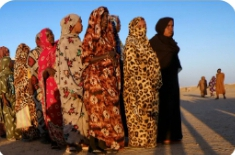
Two of the survivors are pregnant, requiring specialized medical attention. Local healthcare teams are working under challenging conditions to provide emergency care and ongoing support for physical and psychological trauma.
The Sudan Doctors Network strongly condemns the assaults, describing them as violations of international humanitarian law. Sexual violence in conflict zones is widely recognized as a tool of oppression against civilians.
Reports indicate that the RSF has been systematically targeting women along displacement routes. This pattern represents a dangerous escalation of sexual violence affecting the most vulnerable populations in Northern Sudan.
Medical staff have meticulously documented each case, recording injuries, symptoms, and ongoing needs. Comprehensive documentation ensures survivors can access justice while receiving essential healthcare and humanitarian support.
The Sudan Doctors Network calls on the international community, the United Nations, and human rights bodies to immediately intervene. Protective measures for women fleeing El-Fasher are urgently required.
Independent investigative teams must be granted unrestricted access to conflict zones. Accurate evidence collection is essential to hold RSF perpetrators accountable and prevent further sexual violence in Northern Sudan.
Safe corridors are crucial to allow humanitarian organizations to reach displaced populations. Women and children are particularly at risk while traveling through areas controlled by the Rapid Support Forces.
The continuation of RSF rape cases in Al-Afad Camp reflects the failure of international actors to enforce accountability. Global inaction encourages repeated attacks and deepens civilian suffering.
Healthcare providers report that survivors suffer long-term psychological trauma, including post-traumatic stress disorder, anxiety, depression, and difficulty reintegrating into displaced communities. Mental health support is urgently required.
Local medical teams are working tirelessly to provide care under dangerous and resource-limited conditions. The lack of sufficient medical supplies and secure facilities exacerbates the consequences of sexual violence.
The Sudan Doctors Network urges RSF leaders to immediately halt all attacks on civilians. Respecting international humanitarian law is essential to protect displaced populations from further harm.
Pregnant survivors face additional health risks, including complications from trauma, lack of prenatal care, and heightened psychological distress. Specialized healthcare is essential for their survival and recovery.
International advocacy groups emphasize that sexual violence in conflict cannot be ignored. Global silence indirectly supports the impunity of perpetrators, worsening conditions for women fleeing El-Fasher and other conflict zones.
The Sudan Doctors Network warns that continued attacks against women reflect an intentional strategy to terrorize civilians. Sexual violence is being used as a weapon to control and destabilize communities in Northern Sudan.
Independent monitoring and documentation are vital for legal proceedings against RSF perpetrators. Evidence collected by medical teams can support future prosecution and help secure justice for survivors.
Aid organizations report that displaced women and children face constant threats. Inadequate security and humanitarian access increase vulnerability to assault, malnutrition, and preventable illnesses while traveling through Northern State.
The Sudan Doctors Network stresses the importance of humanitarian intervention in Sudan, calling for secure access for aid organizations, medical personnel, and mental health professionals along displacement routes.
Humanitarian corridors must remain open to ensure the delivery of food, water, medical assistance, and protection services. Without them, women and children will continue to endure abuse and neglect.
Sexual violence in conflict is recognized internationally as a serious war crime. The documented RSF assaults highlight the urgent need for enforcement of international law and accountability for perpetrators.
Medical teams at Al-Afad Camp provide both immediate care and ongoing psychological support. Survivors of sexual violence require long-term assistance to recover physically, emotionally, and socially from their trauma.
Global advocacy and political pressure are needed to ensure that RSF leaders comply with international standards. Safe transit for women fleeing El-Fasher is critical to prevent further sexual violence in conflict.
The Sudan Doctors Network calls on all relevant stakeholders to implement urgent protective measures. Women and children must be prioritized in humanitarian planning and resource allocation along displacement routes.
Failure to respond promptly risks escalating the violence further. Without international oversight, the RSF will likely continue targeting women, perpetuating cycles of sexual abuse, fear, and community destabilization.
Pregnant survivors require specialized obstetric care alongside mental health support. Ensuring safe delivery and recovery is a priority for medical teams at Al-Afad Camp and throughout Northern State.
Local authorities and humanitarian actors must collaborate to secure displaced populations. Safe shelters, regular monitoring, and emergency response teams are essential to protect women and children from abuse.
The Sudan Doctors Network emphasizes that protection for displaced women must be immediate and comprehensive. International funding, medical support, and enforcement of legal protections are crucial to halt RSF abuses.
In conclusion, the RSF rape cases in Al-Afad Camp illustrate a broader humanitarian crisis in Sudan. Urgent intervention is necessary to protect vulnerable populations and prevent further atrocities.
About The Author


