
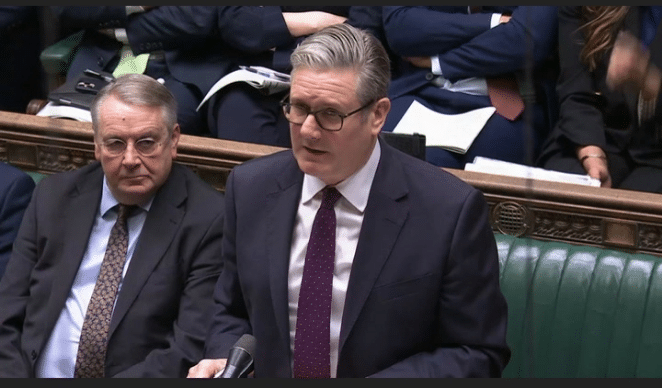
Sir Keir Starmer has issued a stern warning to Russian billionaire Roman Abramovich that the “clock is ticking” for transferring £2.5bn from Chelsea sale.
The prime minister announced the government-issued licence during PMQs, enabling the money to be directed to the people of Ukraine suffering under Russia’s ongoing invasion.
“This is about ensuring that every penny reaches those devastated by Putin’s illegal war,” Starmer told MPs, emphasizing the UK’s readiness to enforce the transfer through courts.
The move marks the first significant step in redirecting Europe-based Russian assets for Ukraine’s rebuilding, following talks between Starmer and Belgian PM Bart de Wever last week.
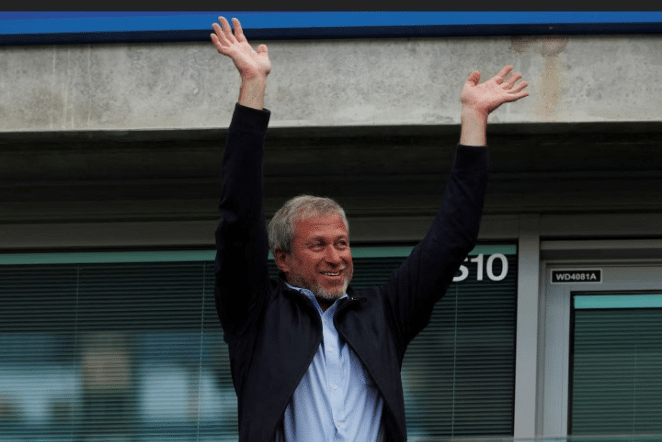
Abramovich, who purchased Chelsea FC in 2003, had pledged to donate the proceeds from the sale to Ukraine, but £2.5bn remains frozen in a UK bank account.
The funds were frozen in 2022 after the UK sanctioned Abramovich due to his close connections with Vladimir Putin, following Russia’s full-scale invasion of Ukraine.
Starmer noted, “The clock is ticking on Roman Abramovich to honour the commitment he made during the Chelsea sale and support a humanitarian cause in Ukraine.”
The prime minister said the government expects the billionaire to act in the coming months, warning that legal measures are ready if compliance does not occur.
Foreign Secretary Yvette Cooper added, “This money was promised over three years ago. If Abramovich won’t act voluntarily, the government will ensure the funds reach Ukrainians.”
The licence represents an attempt to circumvent delays caused by a legal case in Jersey questioning the source of Abramovich’s wealth, which he says prevents immediate transfer.
Chancellor Rachel Reeves, commenting after the licence was issued, called the delay “unacceptable,” stating the funds must now be released to help rebuild lives devastated by war.
Reeves said, “It’s time for Roman Abramovich to pay up. The UK government is prepared to act to guarantee the money reaches those in Ukraine who need it most.”
Legal advisers suggest the government may file for immediate enforcement if Abramovich continues to withhold the funds, potentially resulting in court-mandated transfers within weeks.
Starmer’s announcement also serves as a warning to other sanctioned oligarchs holding Europe-based assets, signaling that humanitarian priorities now outweigh bureaucratic delays or legal loopholes.
“This sets a precedent for how Russian assets can be redirected to support reconstruction and humanitarian aid in Ukraine, ensuring accountability for promises made by oligarchs,” a government source said.
The licence is a major development following previous frustrations expressed by the government in June, when Reeves and then-Foreign Secretary David Lammy highlighted Abramovich’s inaction.
Starmer emphasized that this is not a political stunt, but a direct action to ensure that funds pledged for Ukrainian relief actually materialize on the ground.
Observers say the move could reshape diplomatic pressures on other wealthy Russian figures in Europe, particularly those with assets frozen due to sanctions but earmarked for humanitarian purposes.
“Every day these funds sit idle in UK banks, the suffering in Ukraine continues,” Starmer told reporters, highlighting the urgency and moral responsibility tied to the pledge.
Ukrainian officials welcomed the announcement, calling the UK government’s action a “critical step in fulfilling promises made to those enduring the consequences of war.”
The government has not yet set a hard deadline for the transfer, but sources say Abramovich is expected to respond within the next few months under threat of legal enforcement.
Abramovich has not indicated whether he will comply immediately or continue to delay due to the ongoing Jersey legal proceedings, leaving the government cautious but firm.
The PM’s statement follows growing public pressure, as media and civil society groups have called on the UK to ensure the billionaire honours his pledge without further delay.
“This licence is a tool, not the end of the process. We will act decisively if necessary to guarantee that humanitarian commitments are met,” a Downing Street official confirmed.
The case highlights broader tensions over frozen Russian assets in Europe and raises questions about how governments can enforce pledges for humanitarian aid effectively and quickly.
Starmer concluded, “The UK government’s position is clear: if Abramovich fails to act, we will use every means necessary to ensure these funds reach the Ukrainian people.”
Analysts suggest that the announcement could have wider geopolitical implications, signaling a more assertive approach by the UK toward sanctioned individuals with obligations toward humanitarian causes.
This development also intersects with broader discussions on accountability for oligarchs connected to regimes engaging in aggressive wars, including how assets can be leveraged for global humanitarian relief.
The prime minister’s remarks underscore the UK’s commitment to holding wealthy individuals accountable when pledges are made to support victims of conflicts, reinforcing the legal and moral pressure.
Starmer’s warning, coupled with the issued licence, may accelerate negotiations, forcing Abramovich to prioritize compliance or face inevitable legal consequences from UK courts.
The unfolding situation continues to attract international attention, with observers monitoring whether other sanctioned oligarchs may now follow suit or resist, potentially triggering legal confrontations in multiple jurisdictions.
Foreign Secretary Cooper reiterated, “The licence ensures the money can be used to rebuild the lives of those suffering due to Putin’s illegal war, and we will not delay further.”
The government’s intervention demonstrates a blend of legal, diplomatic, and moral strategies aimed at ensuring pledged assets are converted into tangible aid for Ukraine’s war-affected population.
As the UK positions itself as a leader in sanction enforcement and humanitarian redirection of Russian assets, the coming months will reveal how quickly the £2.5bn can be deployed for Ukrainian relief.
Read also: Putin slams West’s war hysteria: EU debates seizing Russian assets as Ukraine war drags on
About The Author




