Speaker Abbas Tajudeen says he supports responsible borrowing with strict oversight, not blanket condemnation, stressing accountability in debt use.
The Speaker of Nigeria’s House of Representatives, Rt. Hon. Abbas Tajudeen, has dismissed media reports suggesting that he openly condemned government borrowing, stressing instead that his position was misunderstood.
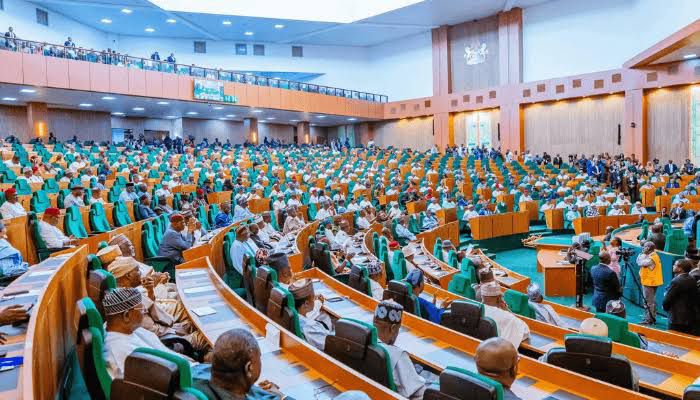
Tajudeen’s clarification came through his Special Adviser on New Media, Jowosimi Enitan, who explained that the Speaker does not oppose borrowing in principle, but rather advocates for responsible debt management backed by transparency and accountability.
According to Enitan, the Speaker’s contribution at the 11th Annual Conference and General Assembly of the West Africa Association of Public Accounts Committees was misrepresented.
At the event, where Tajudeen was represented by Honourable Babatunde Salam, a PDP chieftain, the emphasis was clear: public debt, when prudently managed, can serve as a tool for national growth and prosperity.
Enitan stressed that Tajudeen’s remarks were not intended as a blanket criticism of Nigeria’s borrowing practices, but as a call for stronger parliamentary oversight.
“The Speaker’s position is that the legislature must ensure that every naira borrowed delivers tangible benefits to citizens—whether in the form of roads, schools, hospitals, or innovations that improve lives,” he said.
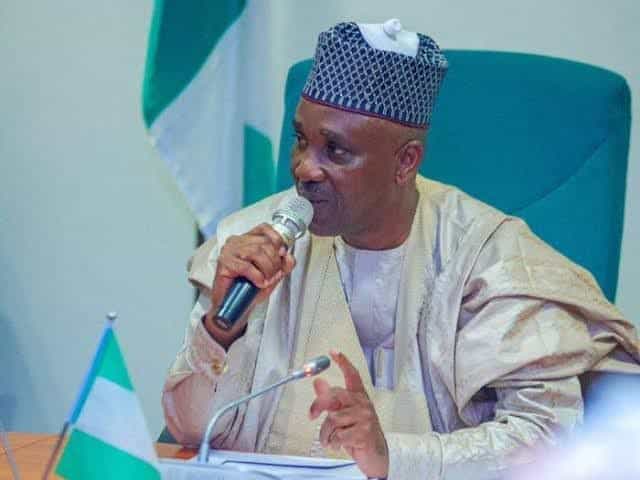
The Speaker had earlier expressed concern that Nigeria’s debt profile had reached alarming levels.
Citing data from the first quarter of 2025, he noted that the country’s total public debt stood at N149.39 trillion (about US$97 billion), while the debt-to-GDP ratio had risen to 52 percent, surpassing the statutory threshold of 40 percent.
Tajudeen warned that the figures point to a “structural crisis” requiring urgent reforms in borrowing practices and fiscal oversight.
However, Enitan pointed out that the federal government under President Bola Ahmed Tinubu, GCFR, has already embarked on measures to reduce reliance on borrowing.
He highlighted the administration’s robust non-oil revenue drive, which, for the first time in decades, enabled Nigeria to meet its 2025 revenue target ahead of schedule without fresh loans.
“This achievement is proof that with discipline, focus, and courage, Nigeria can gradually secure its economic sovereignty,” he noted.
Reaffirming the Speaker’s stance, Enitan concluded: “The call is not against borrowing itself, but for prudence, accountability, and transparency.
“Oversight of public debt is not just a constitutional responsibility of parliament but also a moral obligation to safeguard Nigeria’s financial future.
This is not about pandering to mischief-makers; it is about ensuring that debt translates into real, measurable development.”
About The Author