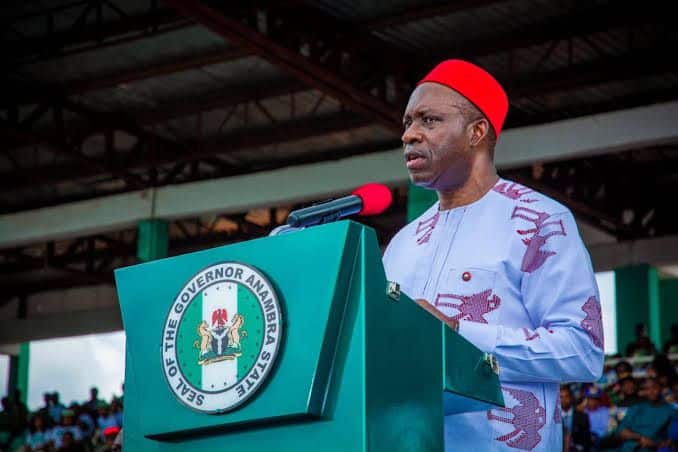
Sowore criticizes Governor Seyi Makinde and other leaders for shunning Nigeria’s failing facilities while enjoying hospitals, schools, and marathons abroad.
Human rights activist and presidential candidate of the African Action Congress (AAC), Omoyele Sowore, has berated Oyo State Governor, Seyi Makinde, and other Nigerian leaders for what he described as their overreliance on foreign facilities at the expense of developing critical infrastructure at home.

Sowore, in a statement shared on his Facebook page on Tuesday, 9th September 2025, accused political leaders of neglecting local hospitals, schools, sports complexes, and tourism facilities, while frequently traveling abroad to enjoy such amenities built by “hardworking and honest leaders” of other nations.
According to him, many of these leaders abandon their people to crumbling systems but spare no expense in seeking medical treatment, education for their children, vacations, and sporting activities in foreign countries.
“Lazy leaders! When they need medical treatment, they rush abroad to hospitals built by hardworking, honest leaders.
“When it’s time for their children’s education, they send them abroad to schools funded by others.

“To watch sports, they fly abroad to sit happily in stadiums built by others. For vacations, they head abroad to countries secured by other leaders.
“At home, they build nothing, defend nothing, and only plunder the little their people have,” Sowore said.
He cited his recent experience at the Ibadan City Marathon, organized in collaboration with Splash FM 105.5, noting that the stadium where the marathon commenced was in a deplorable state.
Sowore lamented that the facility resembled one from a “war-torn country.”

He further criticized Governor Makinde for being absent at the local marathon in Ibadan while pointing out that he had been spotted in Texas, United States, in January 2025, where he participated in a foreign marathon.
Sowore’s remarks have sparked fresh debate on the state of Nigeria’s infrastructure, especially in Oyo State, and the recurring trend of public officials prioritizing foreign services over improving domestic ones.
About The Author