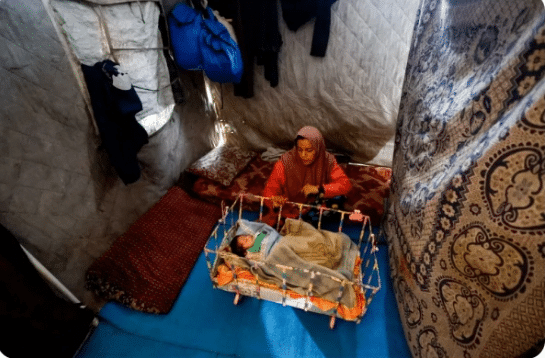
A growing controversy surrounds a shadowy group accused of coordinating covert Palestinian departures from Gaza, prompting urgent questions about motives, collaboration, and the desperation shaping rapidly shifting escape networks.
Palestinian testimony portrays a clandestine system combining online registration, selective screening, and unverified evacuation payments, leaving many uncertain whether they are buying safety, displacement, or an undefined promise of relief.
One man described the operation as “routine yet unsettling,” stressing how the group’s coordinators insisted on secrecy while guiding Palestinian families fleeing Gaza through checkpoints toward uncertain destinations abroad.
He recalled an early-morning call instructing him to prepare only essentials, highlighting how “nothing felt official,” even though the process unfolded with methodical precision uncommon in chaotic Gaza exits.
According to his account, Israeli soldiers thoroughly inspected belongings before granting passage, reinforcing speculation that the operation’s organizers benefit from Israeli-approved departures disguised as humanitarian pathways.
The man said buses moved quietly through the Karem Abu Salem crossing, where Israeli control is absolute, strengthening suspicions that mysterious displacement agents operate with institutional tolerance.
At the airport, he noticed officers avoided stamping passports, saying, “Israel doesn’t acknowledge our state, so they don’t stamp anything,” adding to confusion surrounding legal recognition and mobility.

He reported that the group chartered foreign aircraft, including Romanian planes, which transported evacuees first to Kenya, a transit point hinting at multilayered coordination beyond Gaza and Israel. I’m
The system allegedly involves intermediaries inside Gaza and others outside, many unknown to evacuees, raising fears about hidden agendas behind what appears to be a Gaza exit scheme.
Applicants register digitally before receiving approval or rejection, sometimes with little explanation, and payments move through personal accounts rather than institutions, deepening mistrust about financial exploitation.
He said he paid $6,000 for three relatives, emphasizing that “there are no receipts, no guarantees,” as families struggle to weigh danger at home against unregulated escape promises.
The earliest group he knew traveled to Indonesia, while another experienced unexplained delays, demonstrating how unpredictable logistics intensify anxiety among Palestinian families fleeing Gaza seeking safer futures.
Friday’s group reportedly paid between $1,500 and $5,000 per person, though fees vary widely, further reinforcing the concerns surrounding unverified evacuation payments in this opaque system.
Evacuees carry only a phone, modest cash, and a backpack, restrictions that magnify uncertainty as displaced Palestinians confront vast unknowns in countries they never chose.
A second witness, identifying himself as Omar, communicated via WhatsApp and said agents demanded birth certificates, passports, and steep deposits, requirements reflecting selective gatekeeping practices.
Omar’s request was denied because solo travelers were deemed risky or less profitable, suggesting that the system’s criteria prioritize manageability or financial returns rather than humanitarian needs.
He described the rejection as “crushing,” noting that many Gazans are now contemplating risks of contact with groups operating outside recognized humanitarian frameworks.
From central Gaza’s az-Zawayda, journalist Hind Khoudary highlighted how desperation drives interest in these routes because “people feel trapped, hopeless, and stripped of all long-term possibilities.”
She noted Gaza’s collapsed educational infrastructure, explaining that “parents don’t see a future for their kids,” giving mysterious displacement agents fertile ground to influence distressed populations.
Years of bombardment devastated Gaza’s universities and schools, leaving countless young people without pathways to degrees, employment, or stability, fueling demand for unregulated departures.
Meanwhile, Israeli authorities openly acknowledge facilitating departures, framing them as part of a “voluntary departure” policy designed to ease humanitarian burdens while providing escape opportunities.
In March, the Israeli army approved a specialized unit to enhance Israeli-approved departures, revealing a structured evacuation framework operating parallel to unregulated networks like the shadowy group.
Officials claim the goal is humanitarian, but critics argue that encouraging Palestinians to leave functions as displacement by stealth, raising serious global legal and ethical concerns.
Human rights advocates warn that organized population removal, even if presented as voluntary, risks undermining Palestinian claims to land, identity, and return, echoing historical demographic anxieties.
Al-Majd Europe, the entity allegedly coordinating routes, presents further complications, with a website containing AI-generated photos, no addresses, and dubious claims about a 2010 founding.
Experts say the absence of verifiable staff, offices, or documentation suggests an intentionally obscured structure, prompting fears of manipulation within a fragmented, traumatized civilian population.
Palestinian families report confusion over who is funding, endorsing, or exploiting these journeys, intensifying suspicion that the shadowy group operates in multiple layers of secrecy.
Some analysts argue that desperation skews judgment, allowing evacuees to overlook red flags because the promise of leaving Gaza overshadows questions about transparency or oversight.
Community leaders warn that paying large sums to unknown brokers normalizes informal exit networks, potentially endangering travelers through unsafe transit routes or diplomatic complications abroad.
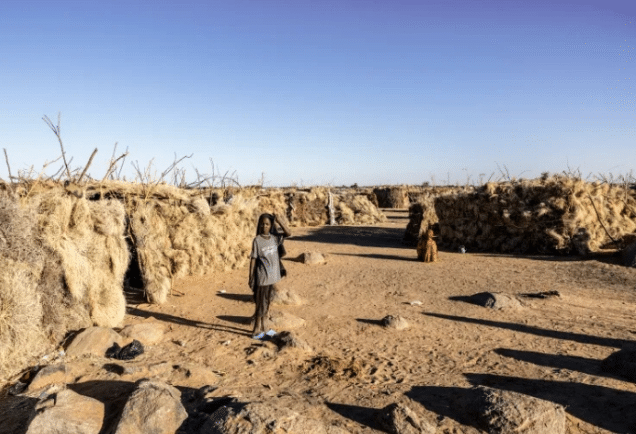
Regional governments face dilemmas as undocumented arrivals strain immigration systems, exemplified by the group that unexpectedly landed in South Africa without papers or destination clarity.
South African officials expressed shock at the arrival, admitting they never received prior notice, illustrating how these flows bypass standard international coordination norms.
Legal experts argue that systematically exporting civilians without documentation raises human trafficking concerns, demanding urgent investigation into whether these networks constitute exploitation.
For families left behind, the emotional toll is immense, as departures often occur without farewells or assurances that relocated relatives will receive legal status or protection abroad.
Some Palestinians fear that leaving Gaza through informal networks jeopardizes their right to return, a foundational national principle shaped by decades of displacement trauma.
Others believe survival outweighs long-term political implications, saying they “just want safety,” even if safety comes with uncertainty about legal recognition and permanent settlement.
The interplay between the shadowy group and Israeli authorities remains the central unanswered question as evidence mounts that evacuation corridors function with military tolerance.
Military facilitation, even if minimal, implies operational awareness that contradicts narratives portraying the group as entirely independent or rogue in its activities.
Israeli officials maintain that facilitating departures reduces humanitarian pressure, but critics argue that such policies could unintentionally encourage broader displacement.
Global observers urge transparency, fearing that without regulation, evacuees risk exploitation while regional states grapple with unpredictable waves of undocumented arrivals.
Independent investigators call for international monitoring mechanisms to track evacuation schemes, verify payments, and identify responsible coordinators, especially those operating across borders.
Families already resettled abroad face difficult integration challenges, including legal uncertainty, language barriers, and cultural dislocation, further complicating the narrative around these departures.
Diaspora communities attempt to assist them, but resources are limited, especially when evacuees lack formal recognition or clear immigration pathways in host states.
Despite the risks, demand for escape grows daily as Gaza’s humanitarian collapse becomes unbearable, making unregulated networks like this one dangerously attractive.
Humanitarian agencies warn that without official evacuation channels, Palestinians will continue relying on opaque brokers, increasing vulnerability to exploitation and loss.
The crisis underscores the urgent need for legitimate, transparent pathways that protect families while maintaining rights, dignity, and international legal safeguards for displaced populations worldwide.
About The Author