
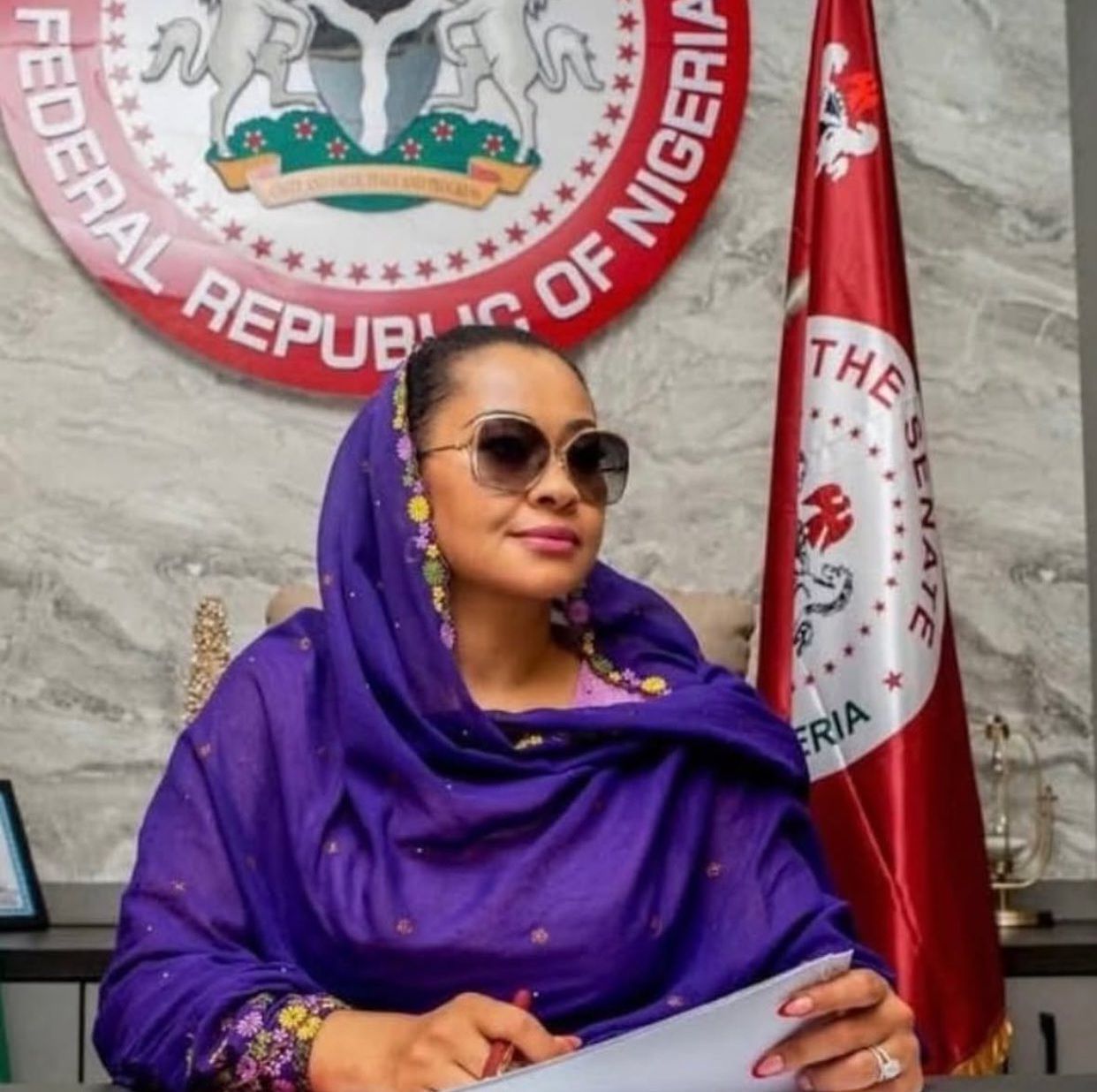
Senator Natasha Akpoti-Uduaghan decries the AAU students arrest, calling it a threat to democracy and urging Edo State to address insecurity instead.
Senator Natasha Akpoti-Uduaghan has strongly condemned the arrest and detention of 52 students of Ambrose Alli University (AAU), Ekpoma, Edo State, describing the development as a troubling assault on democratic freedoms and the legitimate right of young Nigerians to demand safety and accountability.

The lawmaker warned that the AAU students arrest could set a dangerous precedent if allowed to stand unchallenged.
The students were reportedly taken into custody following a protest against rising insecurity in and around Ekpoma, particularly recurring incidents of kidnapping and violent crime that have continued to generate fear among residents and students alike.
While authorities alleged that the protest turned violent, Akpoti-Uduaghan argued that the response of law enforcement was excessive and failed to address the root cause of the demonstration.
In a statement issued on Tuesday, the senator called for the immediate release of the detained students, insisting that peaceful protest remains a constitutional right guaranteed under Nigeria’s democracy.
She stressed that expressing frustration over insecurity should not be met with intimidation or incarceration.
According to her, the AAU students arrest reflects a broader pattern where civic engagement, especially by young people, is increasingly viewed through a criminal lens rather than as an opportunity for dialogue and reform.
She noted that students are often the first to feel the impact of governance failures, particularly when insecurity disrupts education, freedom of movement, and daily life.
Akpoti-Uduaghan criticised the Edo State government for what she described as a misplaced priority, arguing that energy should be channelled toward combating kidnappings and protecting lives instead of clamping down on student protesters.
She maintained that no society can progress when its youth are punished for demanding basic safety.
“The responsible response to public concern is engagement, not force,” the senator stated, adding that dialogue remains the most sustainable pathway to peace and social stability.
She warned that the continued detention of the students could further inflame tensions and deepen mistrust between the government and the governed.
She further explained that the AAU students arrest undermines confidence in public institutions and sends a discouraging message to young Nigerians who wish to participate constructively in national discourse.
According to her, silencing students through arrests risks alienating an entire generation that should be empowered to contribute ideas and solutions.
The senator also highlighted the wider implications for democracy, noting that peaceful protests have historically played a critical role in holding leaders accountable and drawing attention to urgent societal problems.
She argued that when governments respond to dissent with repression, it weakens democratic norms and erodes the rule of law.
Akpoti-Uduaghan expressed solidarity with the detained students and their families, acknowledging the emotional and psychological toll such arrests can have.
She called on civil society organisations, human rights groups, and legal practitioners to closely monitor the situation and ensure that the rights of the students are protected.
She reiterated that insecurity remains one of the most pressing challenges facing Edo State and Nigeria at large, pointing out that students and ordinary citizens alike are increasingly vulnerable.
In her view, the protest that led to the AAU students arrest should have served as a wake-up call for authorities to reassess security strategies rather than resorting to punitive measures.
The lawmaker urged the Edo State government to seize the moment to rebuild trust by releasing the students and opening channels for constructive engagement with the university community.
She argued that inclusive dialogue would not only calm tensions but also provide valuable insights into how insecurity is affecting daily life in Ekpoma.
Concluding her statement, Akpoti-Uduaghan reaffirmed her long-standing commitment to justice, youth empowerment, and democratic accountability.
She stressed that Nigeria’s future depends on how it treats its young people today, warning that criminalising dissent could have long-term consequences for national unity and development.
As calls grow louder for the release of the students, the AAU students arrest has continued to spark debate across the country, raising fundamental questions about protest rights, governance, and the balance between security and civil liberties in Nigeria’s democracy.


About The Author





