The Senate has introduced a significant adjustment to the Electoral Act, approving a reduction in the statutory notice period required before national elections can be conducted.
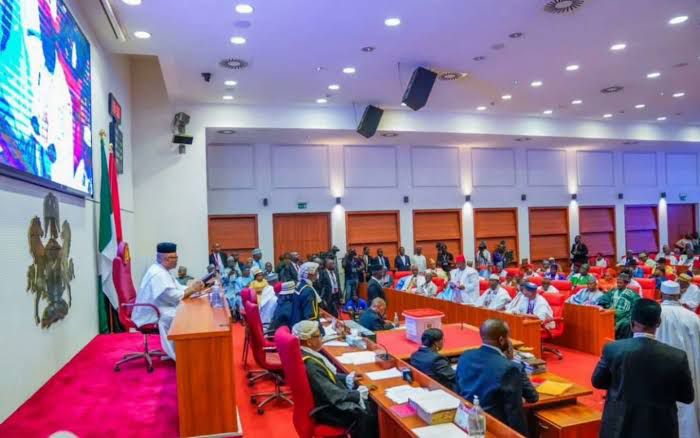
The amendment shortens the timeline from 360 days to 300 days, a move lawmakers say is aimed at improving flexibility and preventing scheduling conflicts ahead of the 2027 elections.
The decision was reached during a detailed clause-by-clause reconsideration of the Electoral Act Amendment Bill 2026.
Lawmakers revisited certain provisions after identifying areas that required correction and alignment with practical realities.
Central to the review was Clause 28, which outlines the timeframe within which the Independent National Electoral Commission (INEC) must formally notify the public of upcoming elections.
Under the revised provision of the Electoral Act, INEC is now mandated to publish an election notice no later than 300 days before the chosen date.
This notice must appear in all states of the federation and the Federal Capital Territory, clearly stating the election date and specifying where nomination papers are to be submitted.
The previous requirement of 360 days had been criticized as potentially restrictive.
According to Senate leadership, a post-legislative assessment revealed that the earlier timeline could inadvertently push the 2027 elections into February of that year, a period expected to coincide with Ramadan.
Concerns were raised that conducting nationwide polls during the fasting season might affect voter turnout, strain logistical arrangements, and limit engagement with key stakeholders.
The Senate amendment was therefore presented as a measured intervention rather than a sweeping overhaul of electoral law.
By cutting 60 days from the notice requirement, lawmakers argue that INEC now has adequate room to schedule the 2027 elections between late December 2026 and January 2027 if necessary.
This flexibility is seen as critical in balancing constitutional obligations with socio-religious sensitivities.
The motion to rescind and recommit the bill for reconsideration was moved by the Senate Leader during plenary.
He explained that the adjustment followed consultations and internal reviews, especially after INEC had tentatively projected February 2027 for presidential and National Assembly polls.
The timing sparked debate, particularly among Muslim stakeholders concerned about the overlap with Ramadan.
Beyond the timeline revision, senators also addressed technical inconsistencies within the bill.
Several clauses required corrections to serial numbering, cross-references, and drafting clarity.
Lawmakers emphasized that these corrections were procedural in nature but essential for ensuring the legal soundness of the Electoral Act before final transmission.
Political observers note that the amendment highlights the dynamic nature of electoral lawmaking in Nigeria.
Since its initial passage earlier in February 2026, the bill has undergone multiple reviews.
Earlier drafts had even reduced some timelines to as low as 180 days before later revisions restored longer preparation windows.
The latest adjustment, however, is described as targeted and specific to the notice period.
For INEC, the revised timeline offers operational breathing space.
Organizing nationwide elections requires extensive logistical planning, including voter education, distribution of sensitive materials, training of ad hoc staff, and coordination with security agencies.
While the 360-day window was originally intended to guarantee ample preparation time, some analysts argued it limited strategic scheduling options.
The new 300-day requirement under the Electoral Act still preserves a substantial lead time for preparations while expanding the commission’s discretion.
Election management experts say that flexibility is essential, especially in a country as diverse and populous as Nigeria, where religious, cultural, and seasonal considerations often influence civic participation.
The debate around Ramadan also reflects broader concerns about inclusivity.
Lawmakers stressed that avoiding major religious observances could help ensure maximum participation and reduce the risk of voter apathy.
Although elections have been conducted during religious periods in the past, the Senate concluded that proactive adjustment was preferable to reactive crisis management.
Stakeholders from civil society and political parties are expected to continue scrutinizing the broader Electoral Act Amendment Bill 2026.
Issues such as candidate nomination procedures, party primaries, and dispute resolution mechanisms remain central to electoral reform conversations.
However, the timeline adjustment has drawn particular attention because of its direct impact on the 2027 elections calendar.
Analysts believe the Senate amendment signals an attempt to strengthen institutional responsiveness.
Rather than allowing potential complications to persist, lawmakers opted to refine the legislation while still in its amendment phase.
Supporters argue this approach enhances credibility and demonstrates attentiveness to public feedback.
With the revised notice period now approved, attention shifts to how INEC will interpret and implement the updated provisions.
The commission is expected to review its tentative timetable in line with the new legal framework.
If December 2026 or January 2027 emerges as the preferred window, political parties may need to adjust their internal primary schedules accordingly.
Ultimately, the amendment underscores the importance of adaptability within Nigeria’s democratic framework.
By revising Clause 28 of the Electoral Act, the Senate has sought to align legal timelines with practical considerations, ensuring that preparations for the 2027 elections proceed without avoidable scheduling conflicts.
About The Author