Roei Shalev, 30, survived the horrific 7 October Nova music festival attack in Israel, where Hamas militants killed over 370 people, including his girlfriend and best friend.
The attack left Shalev deeply traumatized. He witnessed his loved ones die while trying to shield them, sustaining gunshot wounds himself during the chaotic assault.
Shalev was found dead on Friday night inside his burned car, north of Tel Aviv, in a suspected suicide linked to enduring trauma from the Nova festival attack.
Hours before his death, Shalev posted on social media, writing, “Please don’t be angry with me. No one will ever understand me. I just want this suffering to end.”
The words reflect the long shadow cast by the Nova festival attack, which saw Hamas militants cross from Gaza into Israel, targeting civilians and festival-goers indiscriminately.
Shalev’s girlfriend, Mapal Adam, and his best friend, Hili Solomon, were shot and killed before his eyes while they tried to hide under a car during the attack.
According to Adam’s sister, Maayan, Shalev lay next to his dying girlfriend for hours before military forces arrived to rescue him, enduring one of the most harrowing experiences imaginable.
“Her heart was so big it was impossible to miss it,” Maayan Adam recalled, describing the fatal bullet that ended Mapal’s life during the Nova festival attack.
The trauma was compounded by family loss: Shalev’s mother took her own life just two weeks after the attack, devastated by the deaths of her son’s close friends and girlfriend.
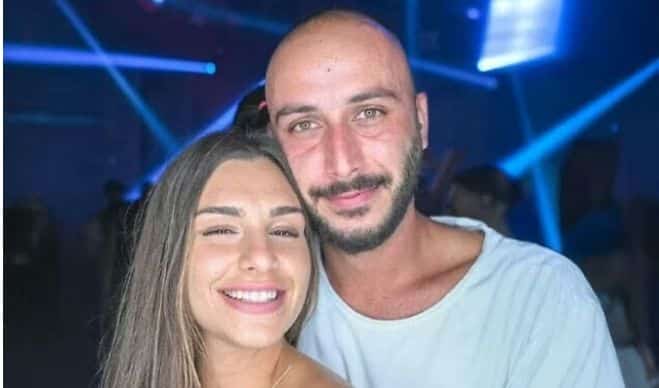
Maayan Adam shared a photo of Shalev with her sister, captioned: “Roei was murdered on 7 October and died yesterday. I hope they are together, hearts pressed again.”
The Nova Tribe Community Foundation, which supports survivors of the 7 October attack, described Shalev as “a backbone of the community” and a source of strength for fellow survivors.
Shalev’s work with the Nova Tribe basketball team and community initiatives highlighted his resilience, offering support to young people and families coping with the festival’s aftermath.
His death has sparked discussions about the mental health crisis among survivors of terror attacks, particularly those of the 7 October Nova festival, who continue to face long-term psychological impacts.
Israeli secular opposition politicians expressed sorrow and urged increased mental health support for attack survivors, emphasizing that trauma from the Nova festival attack continues to claim lives.
Yair Golan, head of the Democrats party, wrote, “Roei could not withstand the pain, but others are still here fighting. We must help them so they don’t feel alone.”
Experts note that PTSD among survivors of mass-casualty incidents, like the Nova festival attack, can manifest years later, with risk factors including direct exposure and loss of loved ones.
Shalev’s story highlights the urgent need for sustained support programs, counseling, and community resources for those impacted by the Nova festival attack in Israel two years ago.
Social media posts from Shalev prior to his death reveal deep isolation and despair, sentiments common among those who survive traumatic attacks like the Nova festival assault.
The 7 October Nova festival attack remains one of the deadliest in recent Israeli history, leaving indelible scars on families, survivors, and the broader Israeli community.
Organizations supporting survivors of the Nova festival attack urge friends, family, and authorities to recognize early warning signs of severe trauma and intervene before tragedy strikes.
Shalev’s passing has renewed focus on trauma-informed care for Nova festival survivors, including counseling, community engagement, and memorial initiatives to honor lost loved ones.
Mental health professionals stress that society must address the lingering effects of events like the Nova festival attack, preventing isolation, self-harm, and untreated PTSD among survivors.
The Nova Tribe Community Foundation’s tribute called Shalev a hero of the community, emphasizing his kindness, leadership, and unwavering support to those grieving after the attack.
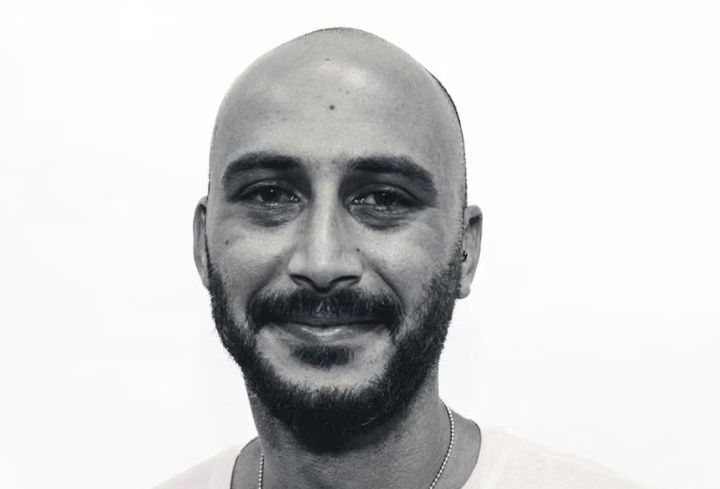
As Israel reflects on the 7 October Nova festival attack, Shalev’s death underscores the invisible wounds survivors carry, often hidden behind daily life yet devastating in their intensity.
Authorities and NGOs continue to provide mental health assistance to survivors, aiming to prevent further tragedies following the terror and heartbreak of the Nova festival attack.
Shalev’s story is a tragic reminder that survival does not erase suffering; trauma from the Nova festival attack can continue to claim lives long after the immediate violence.
About The Author