The unfolding Wiretapping Controversy between the Presidency and former Kaduna State governor, Nasir El-Rufai, has triggered fresh debate over surveillance practices, abuse of power, and adherence to the rule of law in Nigeria.
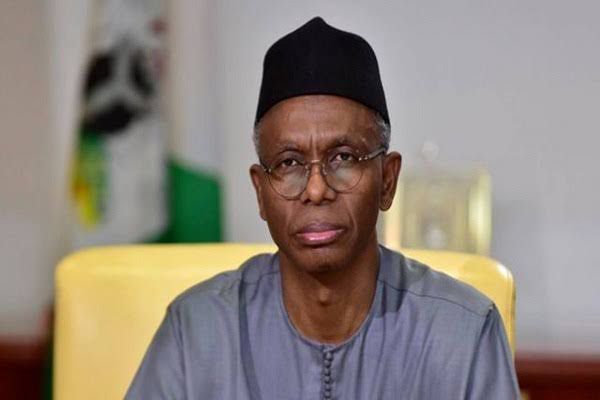
The dispute began after El-Rufai made striking claims during a televised interview on Arise News.
Speaking with journalist Charles Aniagolu, the former governor alleged that the Independent Corrupt Practices and Other Related Offences Commission (ICPC) had attempted to orchestrate his arrest by engaging the Department of State Services (DSS).
According to him, the incident was allegedly set to occur at the Abuja airport.
El-Rufai further claimed that the ICPC was acting at the behest of the National Security Adviser, Nuhu Ribadu.
In what has now become the centre of the Wiretapping Controversy, he asserted that Ribadu personally ordered his arrest.
When pressed on how he became aware of such a directive, El-Rufai suggested that communications had been intercepted.
His remarks implied that individuals outside official government structures had access to monitored calls.
Though he did not directly admit to personally conducting surveillance, his comments indicated that “someone” had tapped into the NSA’s communication.
The interviewer reminded him that such interception is illegal without proper judicial authorization.
El-Rufai responded by arguing that government institutions themselves frequently monitor calls without court orders.
The Presidency reacted swiftly. In a statement posted on his verified X account, Special Adviser to the President on Information and Strategy, Bayo Onanuga, described the comments as an apparent confession that demands serious investigation.
Onanuga questioned whether El-Rufai and his associates possess unauthorized surveillance equipment or facilities capable of intercepting high-level security communications.
According to Onanuga, the Wiretapping Controversy raises national security implications.
He emphasized that no individual, regardless of past political influence or position, is above the law.
The adviser maintained that the allegations warrant a thorough and transparent inquiry, adding that any proven breach should attract appropriate sanctions.
This development has reignited public discussion about the legal framework governing surveillance in Nigeria.
Under Nigerian law, interception of private communication typically requires judicial approval.
Unauthorized wiretapping can attract criminal liability, especially when it involves top security officials whose communications may contain classified information.
Observers say the Wiretapping Controversy also reflects broader tensions within political circles.
El-Rufai, once a prominent ally within the ruling political establishment, has in recent times expressed strong criticism of certain government figures.
His remarks during the television interview were viewed by some analysts as part of a deepening rift.
Beyond personal disagreements, legal experts argue that the situation presents a fundamental question about accountability.
If the former governor’s claims are substantiated, it could indicate the presence of parallel intelligence capabilities outside formal state control.
Conversely, if the allegation is unfounded, it could amount to a serious reputational issue affecting national security leadership.
The Presidency’s firm response suggests it intends to treat the matter as more than a political exchange.
Onanuga’s statement underscored the seriousness with which the administration views the Wiretapping Controversy, framing it as a potential threat to institutional order and democratic governance.
Public reactions have been mixed. Some citizens have expressed concern about possible misuse of surveillance powers by both state and non-state actors.
Others believe the dispute should be resolved through formal investigative mechanisms rather than public exchanges in the media.
Legal analysts point out that the rule of law requires due process for all parties involved. Any investigation, they say, must be evidence-driven and free from political bias.
Transparency will be critical in maintaining public confidence in both the security apparatus and anti-corruption agencies.
Meanwhile, political commentators argue that the controversy could have long-term implications for Nigeria’s security architecture.
The allegation that a senior official’s communications were intercepted has heightened awareness about cybersecurity vulnerabilities and the safeguarding of classified discussions.
As the Wiretapping Controversy continues to unfold, attention remains focused on whether investigative agencies will initiate formal proceedings.
The Presidency has clearly signaled that it expects accountability, while El-Rufai’s remarks have not been formally retracted.
For now, the issue sits at the intersection of politics, law, and national security. Whether it results in legal action, institutional reforms, or further political confrontation will depend largely on the findings of any official inquiry.
What remains certain is that the Wiretapping Controversy has amplified ongoing concerns about surveillance practices and the balance between state authority and individual rights in Nigeria.
Ireport247news
About The Author