

A horrific Kano attack leaves a pregnant woman and toddler dead, renewing debate over Kano insecurity, community safety gaps, and urgent police deployment needs.
Shock and grief have enveloped residents of Sheka Sabuwar Gandu, a densely populated neighborhood in Kano metropolis, following the brutal killing of a pregnant woman and her 18-month-old son by unknown assailants.
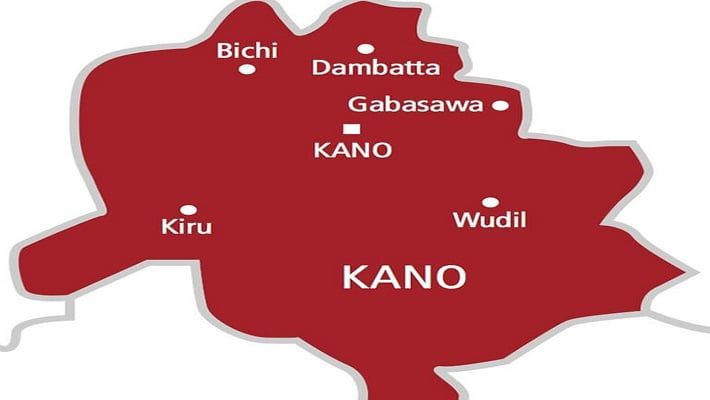
The tragedy, which unfolded late on Saturday night, has once again brought public attention to Kano insecurity and the daily fears faced by families in urban communities.
According to community accounts, the grim discovery was made around 8 p.m. when the husband of the deceased woman returned home from work.
He reportedly found the family’s house locked from the outside—an unusual and alarming sight that immediately raised concern.
After forcing the door open, he was met with a horrifying scene: the lifeless bodies of his wife and their young child lying inside the house.
Eyewitnesses and residents familiar with the aftermath said both victims appeared to have been attacked before being set ablaze, suggesting a deliberate and violent act.
The attackers are believed to have fled the area before neighbors could raise an alarm, leaving behind devastation that has shaken the entire community.
For many residents, the incident represents a painful reminder of Kano insecurity and the vulnerability of civilians, especially women and children.
The killings have triggered renewed criticism of the absence of adequate security infrastructure in Sheka Sabuwar Gandu.
A community leader, Ahmad Sani, confirmed the incident and lamented what he described as years of neglect by security authorities.
He explained that residents, acting out of desperation, had collectively built a police outpost to enhance safety, yet the structure remains unmanned.
“For a long time, the community came together to construct a police outpost, hoping it would deter criminals,” Sani said.
“Unfortunately, no officers have been deployed to man the facility, and now we are counting our losses.”
Residents argue that the lack of police presence has emboldened criminal elements, worsening Kano insecurity across several neighborhoods.
Many fear that without immediate intervention, similar attacks could occur again, particularly in areas with limited street lighting and slow emergency response.
Beyond the immediate shock, the incident has reignited broader conversations about urban safety in Kano.
Civil society groups and local activists have called for improved patrols, faster response times, and stronger collaboration between residents and law enforcement agencies.
Some have also urged the state government to prioritize community policing as a long-term strategy to address Kano insecurity.
In response to the incident, the Kano State Police Command confirmed that an investigation is underway.
The Police Public Relations Officer, CSP Abdullahi Haruna, acknowledged the killings and assured the public that detectives have commenced inquiries to uncover the circumstances surrounding the attack.
“Yes, the incident is confirmed, and investigations are ongoing,” Haruna said, adding that the police would work to identify and apprehend those responsible.
However, the confirmation has done little to calm residents’ anxieties. Many community members insist that investigations alone are insufficient without visible preventive measures.
According to them, the deployment of officers to the already-constructed outpost would be a practical first step toward restoring confidence and curbing Kano insecurity.
Security analysts note that incidents like this often have long-lasting psychological effects on communities.
Beyond the loss of lives, such attacks erode trust, disrupt social cohesion, and force residents to alter their daily routines out of fear.
Parents worry about leaving children at home, while workers fear returning late from work—patterns that collectively stifle economic and social activity.
The killing of a pregnant woman and her infant has also sparked emotional reactions across Kano, with many residents describing the act as cruel and inhumane.
Religious and traditional leaders have urged calm while calling on authorities to act decisively.
They emphasize that justice for the victims must go hand in hand with concrete steps to prevent future tragedies linked to Kano insecurity.
As investigations continue, the Sheka Sabuwar Gandu community remains in mourning.https://www.google.com/search?client=ms-android-samsung-ss&hs=vnyo&sca_esv=b8d16794a32ebd8e&sxsrf=AE3TifNOMFhC3sxlev6wE4Lm8GupW2i_8A:1765773303217&q=Kano+map+and+Local+Government&sa=X&sqi=2&ved=2ahUKEwiK2feT4r6RAxWEV0EAHZ3WOo0Q1QJ6BQiPARAB&biw=384&bih=693&dpr=2.81


