

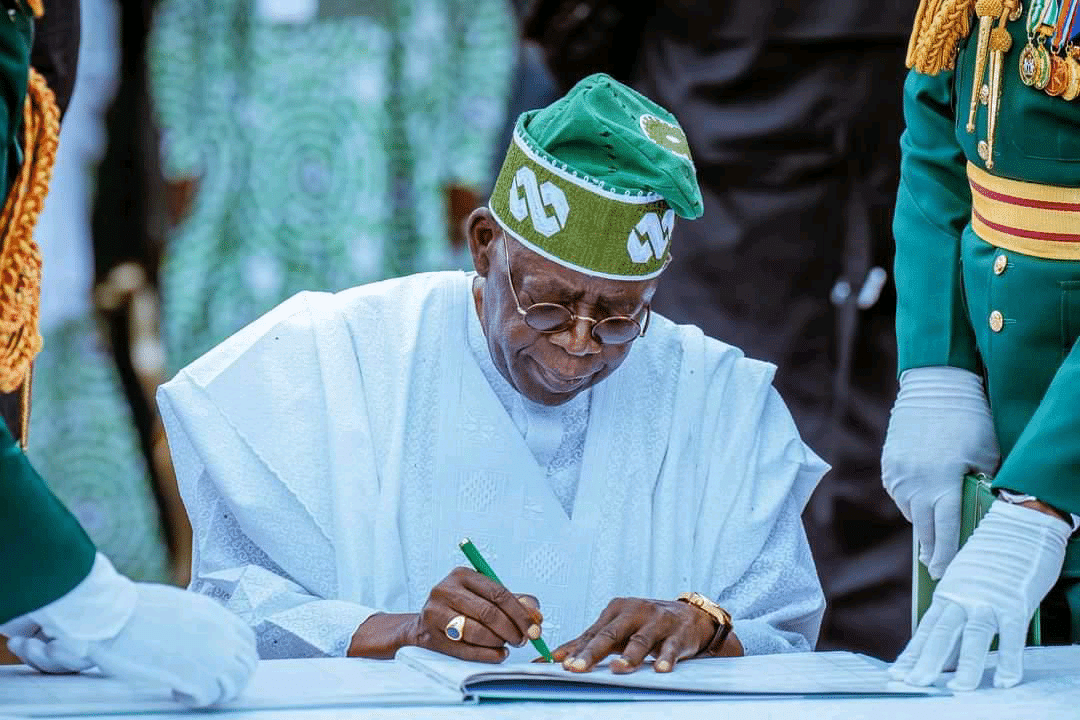
Nigeria’s electricity sector may be entering a turning point as President Bola Tinubu authorises a sweeping financial intervention designed to resolve years of accumulated obligations.
The newly approved initiative, anchored on power reform, focuses on settling legacy debts that have weighed heavily on the nation’s electricity value chain and hindered consistent service delivery.
For over a decade, Nigeria’s power industry has struggled under the burden of unpaid obligations owed to generation companies, gas suppliers, and other stakeholders.
These liabilities, which built up between February 2015 and March 2025, created a cycle of inefficiency—where operators lacked the financial capacity to sustain stable electricity generation.
With this latest power reform, the government is attempting to break that cycle and reset the system on a stronger footing.

According to an official statement released by Bayo Onanuga, the approval followed a comprehensive audit and verification exercise.
This process ensured that only legitimate claims were recognised, resulting in a final settlement figure of ₦3.3 trillion.
The aim is not just to clear debts, but to establish transparency and credibility in the sector—two elements often cited as missing in previous interventions.
Implementation of the power reform has already commenced, signalling that the initiative is more than just policy on paper.
About 15 power generation companies have signed agreements covering approximately ₦2.3 trillion of the verified debt.
To support immediate execution, the Federal Government has mobilised ₦501 billion, out of which ₦223 billion has already been disbursed.
Additional payments are expected to follow in phases, ensuring that the process remains structured and sustainable.
The significance of this move lies in its potential ripple effects across the entire electricity ecosystem.
When generation companies receive payments, they are better positioned to maintain infrastructure, procure fuel, and meet operational demands. This, in turn, leads to improved output and fewer disruptions.
As such, the ongoing power reform is expected to enhance electricity stability, which has long been a concern for households and businesses alike.
Providing further insight, Olu Arowolo-Verheijen emphasised that the intervention is about restoring trust within the system.
She explained that consistent payment to gas suppliers would ensure uninterrupted fuel supply to power plants, while generation companies would be able to operate more efficiently.
In her view, this power reform is a foundational step toward rebuilding confidence among investors and operators who have been wary of the sector’s financial uncertainties.
Beyond debt clearance, the initiative is part of a broader strategy to modernise Nigeria’s electricity framework.
The government has already begun implementing complementary measures such as improved metering and service-based tariffs.
ALSO READ – Nigeria power crisis: A nation running on generators
These reforms are designed to create a more accountable system where consumers pay in line with the quality of electricity they receive.
Together, these efforts reinforce the broader power reform agenda aimed at long-term sustainability.
Another critical component of the plan is its focus on economic growth. Reliable electricity is widely regarded as a backbone of industrial development.
By prioritising stable power supply to businesses, manufacturing hubs, and small enterprises, the government hopes to unlock productivity, encourage entrepreneurship, and generate employment opportunities.
This alignment between energy policy and economic objectives highlights the strategic importance of the current power reform.
For everyday Nigerians, the expected benefits are straightforward but significant.
Improved power generation should translate into fewer outages, better service delivery, and reduced dependence on alternative energy sources such as generators.
Over time, this could lower the cost of doing business and ease the financial burden on households.
President Tinubu also acknowledged the collaboration of key stakeholders who contributed to resolving the long-standing issues in the sector.
He reaffirmed the administration’s commitment to sustaining the reform momentum, noting that the next phase—referred to as Series II—will commence within the current quarter.
This continuation underscores the government’s intention to ensure that the power reform process is not a one-off intervention but a sustained transformation effort.
Ireport247news
About The Author
