

The Nigeria power crisis has once again come under national spotlight following a viral social media post by Dino Melaye, who highlighted the country’s long-standing electricity challenges with a series of striking claims and statistics.
In the post, the former lawmaker painted a grim picture of Nigeria’s power sector, noting that despite over a century of electricity generation since 1896, the country still struggles to deliver consistent power to its more than 220 million citizens.
While some of the figures shared remain subject to verification, industry data supports the broader concern: Nigeria continues to generate far below its installed capacity.
Available data indicates that Nigeria has an installed electricity capacity of about 13,000 megawatts.
However, actual generation fluctuates between 4,000 and 5,000 megawatts on most days, reflecting deep structural inefficiencies within the sector.
This shortfall lies at the heart of the Nigeria power crisis, affecting households, businesses, and critical infrastructure nationwide.
Grid instability and system weaknesses
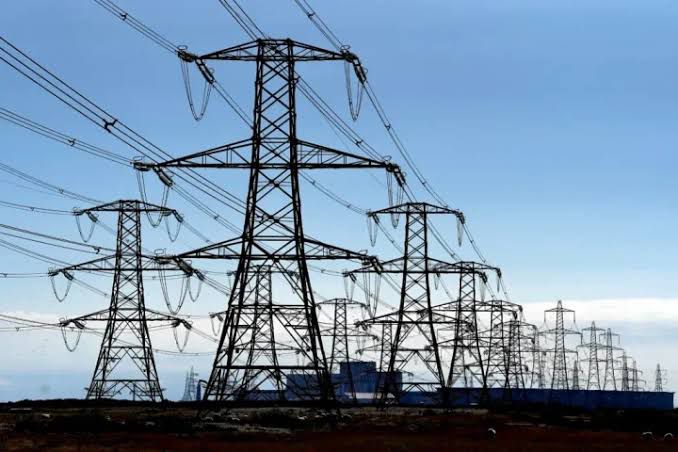
A major contributor to the Nigeria power crisis is the instability of the national grid. Over the years, the grid has experienced repeated collapses, leading to widespread blackouts across the country.
Energy experts attribute these disruptions to aging infrastructure, limited transmission capacity, and poor system management.
While Dino Melaye referenced frequent grid failures in his commentary, official reports from regulatory authorities also confirm that grid collapses remain a persistent issue.
The inability of the transmission network to handle higher electricity loads means that even when generation improves, distribution remains constrained.
In addition, acts of vandalism targeting transmission infrastructure have further weakened the system.
Damaged towers and power lines not only disrupt supply but also require significant financial resources for repairs, adding to the sector’s burden.
Gas supply constraints and rising debt
Nigeria’s heavy reliance on gas-powered plants makes the availability of gas a critical factor in electricity generation.
However, ongoing financial challenges within the sector have led to reduced gas supply, as producers face delays in payment.
The Nigeria power crisis is further compounded by mounting debts owed to generation companies and gas suppliers.
Industry estimates place the total debt in the trillions of naira, creating a cycle in which insufficient funding leads to reduced output, which in turn limits revenue generation.
Government interventions, including the approval of bond programmes aimed at clearing part of the debt, have been introduced.
However, stakeholders argue that more comprehensive and timely solutions are needed to restore confidence and ensure consistent power supply.
Economic impact and industrial decline
The economic implications of the Nigeria power crisis are far-reaching.
Businesses across various sectors have been forced to rely on alternative power sources, significantly increasing operational costs.
For manufacturers, in particular, the high cost of self-generated electricity has made it difficult to remain competitive.
Reports indicate that several companies have shut down operations or scaled back production due to unreliable power supply.
Job losses have followed, contributing to rising unemployment and economic uncertainty.
Analysts warn that unless the electricity challenge is addressed, Nigeria’s ambitions for industrial growth may remain unattainable.
The broader economy also suffers from reduced productivity.
Frequent outages disrupt commercial activities, delay services, and increase the cost of doing business.
These challenges collectively hinder economic expansion and investor confidence.
Generator dependence across the country
One of the most visible effects of the Nigeria power crisis is the widespread dependence on generators.
From small businesses to large corporations, millions of Nigerians rely on self-generated power to meet their daily needs.
This reliance, as highlighted in the post by Dino Melaye, has effectively created an informal power sector that rivals the national grid in capacity.
However, this comes at a significant cost. The expenses associated with fuel, maintenance, and equipment place a heavy financial burden on users.
Beyond the economic impact, generator use also raises environmental and health concerns.
Emissions from fuel-powered generators contribute to air pollution, while prolonged exposure to noise affects quality of life in residential and commercial areas.
Calls for reform and policy action
Energy experts continue to emphasize the need for urgent and sustained reforms to address the Nigeria power crisis.
Key recommendations include strengthening transmission infrastructure, improving financial management within the sector, and diversifying energy sources.
Renewable energy, particularly solar power, has been identified as a viable option for reducing dependence on gas and enhancing energy security.
Given Nigeria’s climatic conditions, investment in solar infrastructure could significantly boost electricity access, especially in underserved areas.
In addition, improving governance and regulatory oversight will be critical in ensuring that policies are effectively implemented.
Stakeholders argue that transparency, accountability, and consistency in policy execution are essential for attracting investment and driving long-term progress
Conclusion
The Nigeria power crisis remains a defining challenge for Africa’s largest economy.
While public commentary, including that of Dino Melaye, has helped bring renewed attention to the issue, the underlying problems have been known for decades.
Despite numerous reforms and interventions, the gap between electricity supply and demand persists.
As a result, millions of Nigerians continue to rely on generators, underscoring the urgent need for a sustainable solution.
Until meaningful progress is achieved, stable and reliable electricity will remain out of reach for many, limiting the country’s economic potential and quality of life.
About The Author
