

Nigeria’s maritime sector is set for a broader transformation as the Federal Government moves to decentralise port development, extending critical infrastructure upgrades beyond Lagos to other coastal regions.
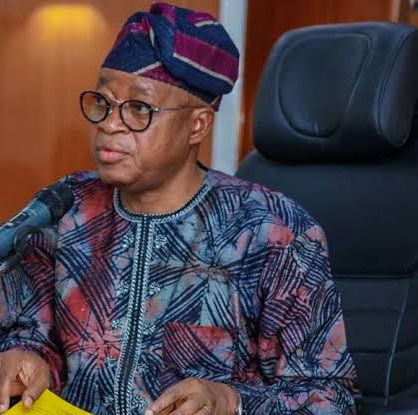
The Minister of Marine and Blue Economy, Adegboyega Oyetola, has reaffirmed that the ongoing modernisation programme is a nationwide initiative aimed at strengthening port efficiency, expanding capacity, and positioning Nigeria as a competitive maritime hub in Africa.
Port upgrades not limited to Lagos – FG
The Port upgrades not limited to Lagos – FG policy direction comes amid growing concerns that federal investments have historically been concentrated in Lagos-based facilities, particularly Apapa Port and Tin Can Island Port.
Addressing these concerns, Oyetola clarified that procurement processes are already underway for the modernisation of key eastern ports, including Warri Port, Port Harcourt Port, Onne Port, and Calabar Port.
According to him, the initiative is designed to ensure balanced infrastructure development across Nigeria’s maritime corridors, reducing pressure on Lagos ports while unlocking economic potential in other regions.
The Port upgrades not limited to Lagos – FG approach underscores a deliberate shift toward inclusivity in national infrastructure planning.
Expanding maritime capacity beyond traditional hubs
Beyond rehabilitating existing facilities, the government is also investing in new deep seaport projects across multiple states. Planned developments in Bayelsa State, Cross River State, Akwa Ibom State, and Ondo State are expected to significantly expand Nigeria’s maritime footprint.
These projects are central to the Port upgrades not limited to Lagos – FG strategy, which aims to decongest existing ports, improve cargo distribution networks, and create new economic corridors.
Industry experts note that diversifying port infrastructure could reduce logistics bottlenecks, lower transportation costs, and enhance regional trade integration.
Boosting efficiency and reducing turnaround time
The government has emphasised that the port modernisation programme goes beyond physical upgrades to include operational reforms aimed at improving efficiency.
According to Oyetola, the initiative will deploy advanced technologies and streamlined processes to reduce vessel turnaround time and increase cargo handling capacity.
The Port upgrades not limited to Lagos – FG plan is therefore expected to address longstanding inefficiencies that have contributed to congestion, delays, and increased costs for businesses operating within Nigeria’s maritime ecosystem.
Improved port performance is also seen as critical to enhancing Nigeria’s competitiveness in global trade.
Aligning with economic diversification goals
The port expansion drive is closely aligned with the economic agenda of Bola Ahmed Tinubu, which prioritises diversification and infrastructure-led growth.
By strengthening maritime logistics, the government aims to stimulate trade, attract foreign investment, and support key sectors such as manufacturing, agriculture, and export services.
The Port upgrades not limited to Lagos – FG initiative is expected to play a pivotal role in reducing the cost of doing business, a key factor influencing investor confidence in Nigeria.
Analysts argue that efficient ports are essential for unlocking the full potential of the African Continental Free Trade Area (AfCFTA), positioning Nigeria as a regional trade leader.
National shipping carrier gains momentum
In addition to port development, the government is advancing plans to establish a national shipping carrier, a move aimed at reducing reliance on foreign shipping lines.
Oyetola disclosed that significant progress has been made, with international partners such as AD Ports Group and DP World expressing interest in the project.
The proposed carrier is a key component of the Port upgrades not limited to Lagos – FG framework, as it seeks to retain more maritime value within the domestic economy and create employment opportunities for Nigerians.
By integrating shipping capacity with upgraded port infrastructure, the government aims to build a more self-reliant and competitive maritime sector.
Strengthening local participation in shipping
To further support indigenous operators, the Federal Government is also moving toward the disbursement of the Cabotage Vessel Financing Fund.
This initiative is designed to empower local shipowners, enhance fleet capacity, and increase Nigerian participation in coastal and international shipping.
The Port upgrades not limited to Lagos – FG policy therefore extends beyond infrastructure to include financial and institutional support for industry stakeholders.
Experts believe that strengthening local capacity will be crucial for sustaining long-term growth in the maritime sector.
Stakeholders welcome inclusive development approach
Industry stakeholders have largely welcomed the government’s commitment to a more balanced approach to port development.
Many have described the Port upgrades not limited to Lagos – FG initiative as a long-overdue intervention that could address regional disparities and unlock new economic opportunities.
However, they also emphasise the need for consistent policy implementation, transparency in procurement processes, and timely execution of projects to achieve desired outcomes.
Outlook for Nigeria’s maritime sector
As Nigeria embarks on this ambitious transformation, the success of the port modernisation programme will depend on effective coordination between government agencies, private investors, and international partners.
The Port upgrades not limited to Lagos – FG strategy represents a critical step toward repositioning Nigeria’s maritime industry for global competitiveness.
If successfully implemented, the initiative could redefine the country’s role in regional and international trade, while delivering significant economic benefits across multiple sectors.
About The Author
