Peru’s interim president, Jose Jeri, declared a state of emergency in Lima and the port city of Callao on Tuesday, aiming to curb weeks of escalating anti-government protests.
“The state of emergency approved by the council of ministers will take effect at midnight on Wednesday and will last for 30 days in metropolitan Lima and Callao,” Jeri said during a nationally televised address, emphasizing the urgency of restoring order.
Under the emergency declaration, the government is authorized to deploy the army to patrol streets, restrict freedom of assembly, and temporarily curtail other civil liberties, raising concerns among human rights observers about overreach.
“This is the first major action by my administration since taking office nearly two weeks ago, and we are committed to addressing the spiralling crime crisis,” Jeri said, highlighting the severity of the situation.
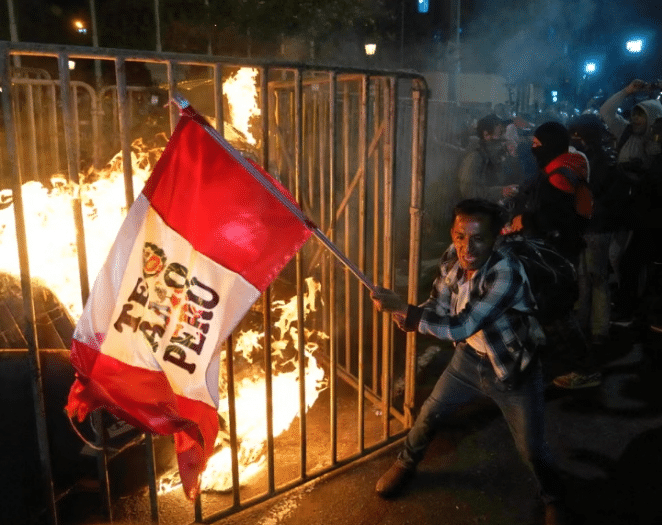
Protests have erupted across Peru following the impeachment of former president Dina Boluarte earlier this month, as critics blamed her administration for rising crime and alleged corruption, which fueled public anger and unrest.
“Crime has increased disproportionately in recent years, causing immense pain to thousands of families and further hindering the country’s progress. But that’s over. Today, we begin to change the narrative of insecurity in Peru,” Jeri said, invoking a sense of renewed hope.
The interim president added, “We are moving from the defensive to the offensive in the fight against crime, a fight that will allow us to regain peace, tranquility, and the trust of millions of Peruvians.”
Lima previously experienced partial emergency measures between March and July following the murder of a famous musician, attributed to organised crime, highlighting ongoing challenges in maintaining public security and law enforcement effectiveness.
Youth-led demonstrations have mobilized thousands of Peruvians frustrated by authorities’ inability to curb escalating violence, with crowds gathering in Lima and several provincial cities to demand stronger action and political accountability.
Over the past month, violent clashes between protesters and police resulted in more than 200 injuries, including officers, demonstrators, and journalists, while one man was fatally shot during confrontations in the capital.
“The safety of all citizens is my top priority, and while measures may be restrictive, they are essential to prevent further harm to our communities,” Jeri said, defending the government’s emergency powers.
The security crisis, particularly affecting the transportation sector, has seen at least 47 bus drivers killed this year in attacks suspected to be extortion-related, fueling outrage and eroding public confidence in the previous administration.
Boluarte’s dismissal on 10 October followed months of mounting unrest and allegations that her government failed to effectively combat organised crime and corruption, creating a vacuum of authority now filled by Jeri’s interim administration.
Jeri, formerly the speaker of parliament, is set to serve as interim president until July 2026, navigating a politically volatile landscape marked by widespread distrust in institutions and ongoing criminal violence.
Observers warn that the deployment of military forces and restrictions on assembly risk exacerbating tensions, yet authorities maintain that the measures are necessary to restore order and protect vulnerable populations from further criminal activity.
“The state of emergency will allow us to implement decisive measures against criminal networks, protecting our citizens and ensuring public spaces remain safe for families and workers alike,” Jeri said.
Political analysts note that Peru has experienced seven governments over the past decade, reflecting chronic instability and the challenges successive administrations face in addressing entrenched corruption and organized crime.
“The interim government understands the delicate balance between security and civil liberties, and we will constantly review our policies to minimize disruptions while safeguarding the public,” Jeri emphasized during his address.
Opposition leaders have criticized the emergency measures as overly harsh, arguing that prolonged restrictions could undermine democratic rights, yet many citizens express cautious support, hoping for tangible improvements in daily security.
“Citizens are tired of living under constant threat from criminal groups, and decisive government action, even if temporary, is urgently needed to restore confidence in public safety,” a security expert in Lima explained.
Protest organizers continue to call for systemic reforms, including stronger anti-corruption measures, judicial accountability, and improved law enforcement strategies, indicating that public dissatisfaction extends beyond immediate security concerns to broader governance issues.
Analysts also warn that sustaining public trust will require not only temporary emergency measures but long-term institutional reforms addressing corruption, criminal networks, and socioeconomic inequalities that contribute to instability.
“The state of emergency is a short-term tool, but lasting peace and order depend on structural reforms, transparent governance, and community engagement in safety initiatives,” Jeri acknowledged, signaling an awareness of deeper systemic challenges.
In parallel with the emergency measures, authorities are coordinating with local municipalities, law enforcement, and civil society groups to implement safety programs, improve crime reporting, and provide support for victims affected by recent violence.
International observers, including human rights organizations, have called for careful monitoring of emergency powers, emphasizing that measures must be proportionate, time-limited, and accompanied by transparent oversight to prevent abuse or escalation.
“Peru is at a critical juncture, and the decisions made in the coming weeks will shape public confidence, civic engagement, and the country’s ability to confront organized crime effectively,” a regional analyst stated.
Jeri’s administration faces the dual challenge of quelling immediate unrest while laying the groundwork for stable governance, highlighting the delicate task of balancing enforcement, citizen rights, and political legitimacy in a polarized environment.
As protests continue, the government plans to engage with community leaders, civil society representatives, and law enforcement agencies to assess risks, coordinate interventions, and ensure emergency measures align with national and international standards.
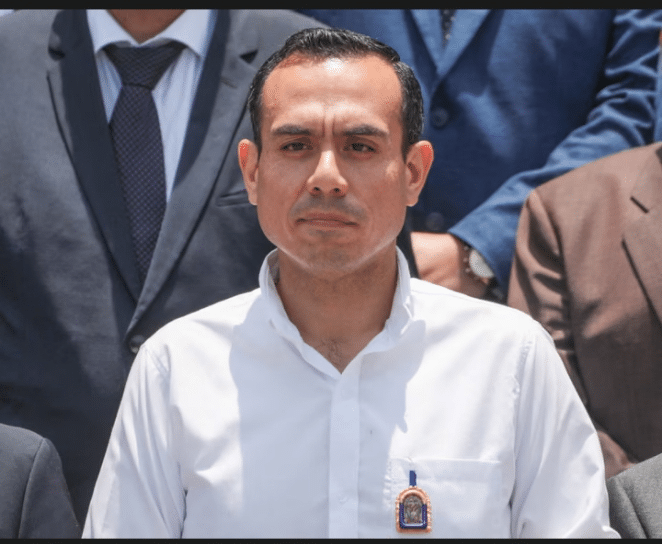
“The coming month will test our resolve and capacity, but I am committed to ensuring that Peruans can live without fear and reclaim their streets from criminal influence,” Jeri concluded, signaling determination to restore order.
About The Author