

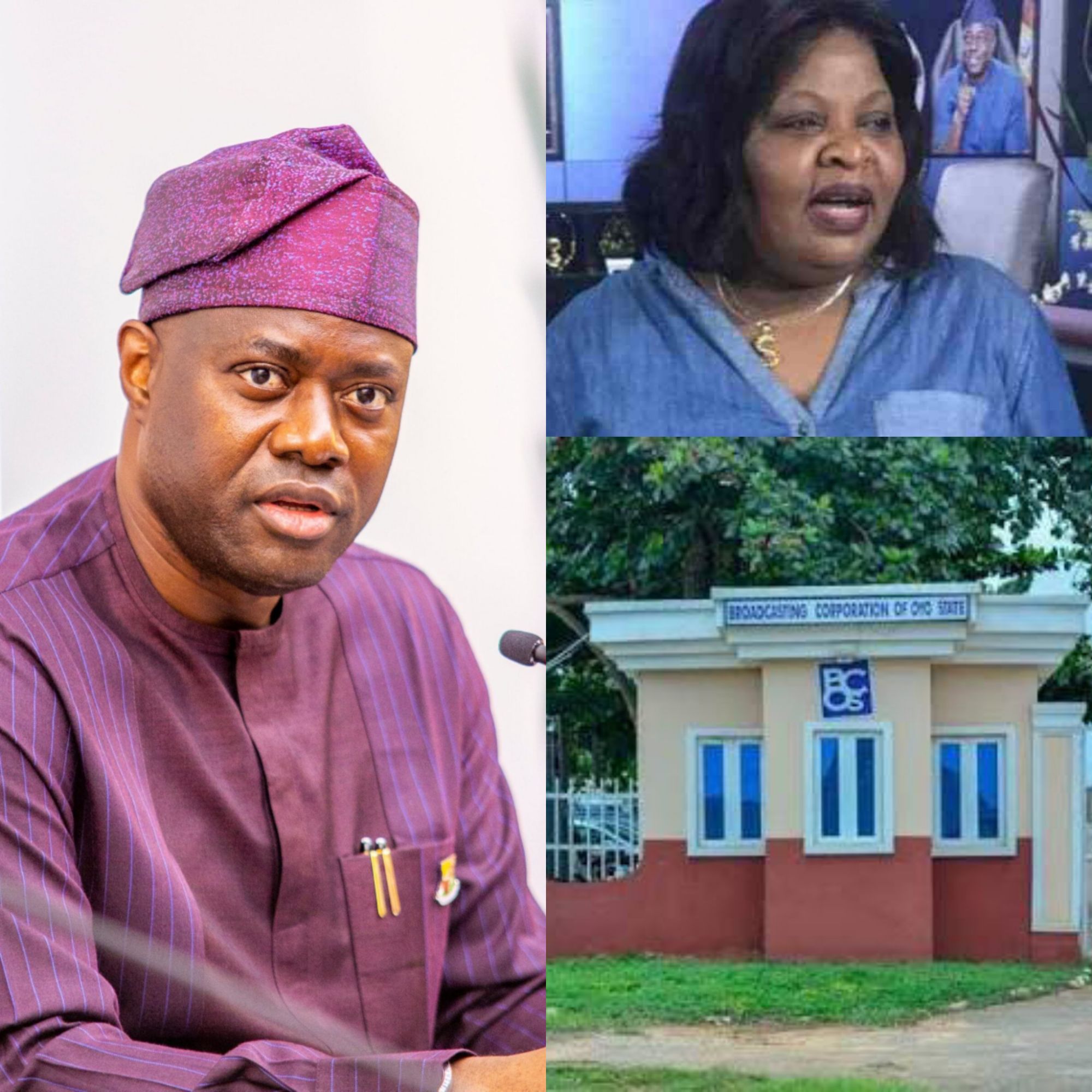
The Oyo State Government, BCOS Board and Management should urgently address the concerns of the workers and provide clear information regarding the payment of outstanding salaries.
Workers of the Broadcasting Corporation of Oyo State (BCOS) have continued to lament the hardship caused by delayed salary payments, with some staff reportedly resorting to trekking to work because they can no longer afford daily transportation costs.
As the month progresses, BCOS workers say they are still awaiting payment of their salaries, leaving many struggling to cope with basic necessities and the rising cost of living.
For some members of staff, the situation has gone beyond financial inconvenience. The inability to afford transportation means that some now have to walk considerable distances to report for duty, while others are struggling to cope with existing health challenges alongside the pressure of getting to work every day.
Despite these difficulties, staff are expected to continue reporting for duty and carrying out their responsibilities in keeping the state-owned broadcasting corporation running.
The situation has raised serious concerns among workers, particularly over the apparent silence from the BCOS Board, Management and the Oyo State Government.
Many are asking a simple but important question:
Are BCOS workers not Oyo State workers?
BCOS is owned by the Oyo State Government, and its employees contribute daily to the state’s information, communication and public enlightenment efforts. They are public servants who deserve to be treated with dignity and fairness.
Workers have financial responsibilities just like every other employee. They have families to feed, transport fares to pay, medical needs to attend to, school expenses and other essential obligations. When salaries are delayed, the consequences are felt directly by entire households.

For workers already facing health challenges, the situation can be even more difficult.
What is particularly worrying is that there appears to be no clear and reassuring communication to staff about when they should expect their salaries.
Silence, in a situation of this nature, can further deepen anxiety and frustration among workers.
The affected staff are not asking for special treatment. They are asking for their earned wages.
They have continued to work and perform their duties despite the difficulties confronting them. Some are even making personal sacrifices simply to ensure they get to work.
The Oyo State Government, BCOS Board and Management should therefore urgently address the concerns of the workers and provide clear information regarding the payment of outstanding salaries.
Workers should not have to choose between feeding their families and paying transportation to work.
They should certainly not have to trek to work because they have not been paid.
At the heart of this issue are ordinary workers whose livelihoods depend on their monthly salaries.
BCOS workers are Oyo State workers too. Their welfare, dignity and right to receive their earned salaries should not be ignored.
About The Author
