Tim Davie resigns as BBC director general following a week of intense scrutiny over the broadcaster’s editorial decisions, particularly regarding the Donald Trump Panorama edit.
The resignation comes after allegations that the BBC failed to maintain impartial reporting standards, prompting critics to question institutional accountability and the corporation’s longstanding credibility with audiences.
Outgoing CEO of BBC News, Deborah Turness, also stepped down, citing responsibility for recent controversies and expressing strong support for the journalists under her leadership at BBC News.
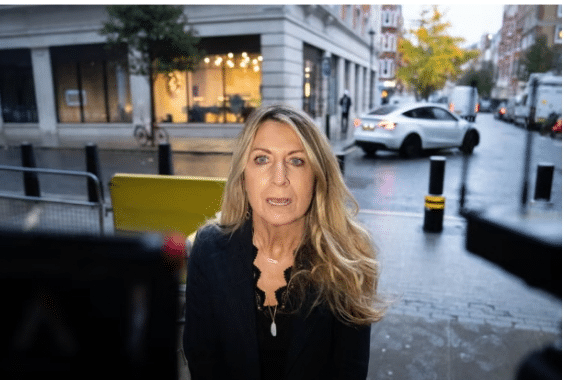
Speaking outside BBC Broadcasting House, Turness insisted that BBC News is not institutionally biased and highlighted that its journalists are dedicated to impartial reporting, maintaining global respect for the organization.
Turness stated: “Our journalists are hardworking, impartial professionals. Mistakes occur, but there is no systemic bias. I will stand firmly behind our editorial teams and their reporting.”
She emphasized the importance of public trust in media, arguing that the BBC’s reputation remains intact despite criticism from politicians and media commentators over perceived editorial slants.
The resignation of Tim Davie marks a rare moment of leadership change at the BBC, highlighting tension between the board, executives, and staff over editorial governance and internal oversight.
Generational tensions within the newsroom also emerged, with younger staff accused of promoting a more “woke” perspective, complicating the BBC’s traditional commitment to balanced and neutral reporting.
Former Newsnight presenter Mark Urban noted that the BBC’s internal systems for checking bias were not acted upon sufficiently, allowing concerns highlighted in Prescott’s dossier to escalate unchecked.
The leaked Michael Prescott memo suggested multiple issues at the BBC, including coverage of Gaza, gender identity issues, and Israel, raising broader questions about transparency and fairness in reporting.
The dossier criticized selective reporting practices, including the Donald Trump Panorama segment, which edited his Capitol speech in ways that critics argued could mislead viewers and influence political perception.
Prescott’s report alleged systemic problems, claiming senior management did not adequately address repeated concerns about commentary from antisemitic or pro-Hamas voices on BBC platforms, including BBC Arabic.
The Telegraph’s leak of the 19-page document intensified scrutiny, as critics argued it demonstrated institutional failure to enforce internal editorial standards and maintain public trust in media.
Conservative Party leader Kemi Badenoch praised the resignations but stressed that deeper reforms are necessary, particularly for BBC Arabic and its international news coverage on Middle Eastern conflicts.
Badenoch warned that ideological bias had influenced content decisions, especially regarding biological and gender issues, highlighting a persistent internal culture that could undermine the BBC’s claim of impartiality.
Former Sun editor David Yelland described the departures as “a coup from within,” suggesting that internal factions systematically undermined Tim Davie’s leadership, contributing to governance failures at the corporation.
Yelland emphasized that governance failures at the BBC meant leadership could not effectively address editorial disputes, creating an environment where controversial content could go unchecked for extended periods.
Culture, Media, and Sport committee chair Caroline Dinenage highlighted that Tim Davie was slow to respond to Prescott’s report, leaving serious allegations about bias unresolved until external pressure forced action.
Dinenage noted that the BBC chair, Samir Shah, had yet to formally respond or apologize, underscoring broader accountability gaps in the corporation’s executive structure and decision-making processes.
The Trump Panorama controversy centered on edits made to his January 6, 2021, Capitol speech, implying he directed crowds to march, potentially impacting public perception of the former president’s involvement.
Donald Trump himself welcomed the resignations, claiming on social media that the BBC’s editing represented a serious attempt to influence American elections, calling it “a threat to democracy itself.”
The edit juxtaposed statements made almost an hour apart, intensifying criticism that the program selectively presented information, thereby fueling accusations of BBC bias and undermining confidence in journalistic integrity.
Veterans minister Louise Sandher-Jones defended the corporation, arguing that despite isolated errors, the BBC provides trustworthy coverage of domestic and international issues, serving as a central information source for audiences.
Government officials emphasized that leadership accountability is critical and that resignations signal a willingness to address mistakes while maintaining the broadcaster’s credibility and independence from political pressures.
Turness’s career spans ITV News and NBC News, where she managed extensive news operations, highlighting her expertise in overseeing large teams of journalists and managing complex editorial standards.
Since becoming CEO of BBC News in 2022, Turness oversaw a workforce of approximately 6,000 journalists, producers, and editorial staff, responsible for both domestic and global news programming.
Tim Davie’s tenure included navigating crises involving internal audits, public criticism over editorial decisions, and emerging debates over the influence of staff ideology on content choices and coverage priorities.
Davie had previously led BBC Studios for seven years, gaining experience in media marketing and content strategy, which informed his approach to running the corporation as director general.
The resignations expose tensions between public expectation, editorial independence, and the BBC’s obligation to remain impartial while covering highly politicized stories like Trump’s Capitol address.
Opposition leaders and media commentators are now calling for more stringent mechanisms to ensure accountability, transparency, and fair reporting across all BBC departments, including international bureaus.
Sir Ed Davey, Liberal Democrat leader, argued that leadership changes are only the first step, and the BBC must actively reform its editorial culture to restore confidence among audiences.
Reform Party leader Nigel Farage described the resignations as a “last chance” for the corporation to demonstrate genuine impartiality and warned that failing to act could damage its reputation irreparably.
Former editors highlighted the complex interplay between management and editorial staff, noting that bias allegations often arise when internal checks fail to identify selective reporting or ideological influence.
International media observers will scrutinize the BBC’s response, particularly its ability to maintain credibility abroad, where editorial disputes over Israel, Gaza, and U.S. politics resonate strongly among global audiences.

The BBC chair, Samir Shah, is expected to formally apologize for the Panorama edits, signaling acknowledgment of errors and intent to implement corrective measures across news production and editorial oversight.
Public reaction has been mixed, with some viewers criticizing perceived bias while others emphasize the importance of defending independent journalism against political attacks and misinformation campaigns.
Media analysts suggest the resignations offer an opportunity for systemic reform, strengthening editorial processes, clarifying internal accountability, and safeguarding the BBC’s global reputation as a leading news provider.
Tim Davie’s departure highlights the challenges of managing a publicly funded broadcaster in an era of heightened scrutiny, polarized politics, and rapid social media amplification of controversies.
Critics of the BBC argue that internal reforms should prioritize transparency, stricter editorial oversight, and clearer standards for covering contentious political topics, ensuring consistency and reducing perceived partisanship.
The Prescott dossier serves as a cautionary tale of institutional oversight failures, revealing the consequences of delayed action and insufficient attention to systemic biases within major media organizations.
Media professionals stress that balancing freedom of expression, journalistic independence, and public accountability remains a central challenge, particularly for national broadcasters funded by compulsory licence fees.
The Trump Panorama issue reignites debates over how public broadcasters can navigate coverage of foreign political figures without inadvertently influencing electoral outcomes or shaping partisan narratives.
International coverage of controversial topics such as Gaza, Israel, and transgender rights has drawn particular attention, illustrating the global implications of perceived editorial bias and the need for consistent reporting.
Some former BBC journalists argue that younger staff bring diverse perspectives that enhance reporting but must be balanced against the need for rigorous editorial review to prevent unintentional skewing.
The resignations may prompt a wider review of leadership structures, accountability mechanisms, and editorial oversight within the BBC, ensuring that systemic issues are addressed proactively rather than reactively.
Turness emphasized that editorial mistakes occur but insisted they do not equate to institutional bias, stressing that the BBC remains one of the world’s most trusted sources of news.
Observers note that leadership changes, while significant, must be accompanied by structural reforms that enhance internal checks, staff training, and transparent reporting procedures to prevent future controversies.
The BBC continues to face challenges in maintaining public trust in media, balancing comprehensive reporting with neutrality, particularly in politically charged or socially sensitive stories.
Tim Davie’s resignation underscores the high stakes of managing public perception and institutional integrity in a media landscape increasingly influenced by social media narratives and political polarization.
Badenoch and other critics are likely to push for reforms that strengthen governance, increase transparency, and ensure that ideological biases do not shape content, particularly in international reporting divisions.
The BBC’s response to Prescott’s report and public scrutiny will set a precedent for how other public broadcasters handle allegations of bias, editorial mismanagement, and accountability failures.
As the corporation transitions leadership, analysts emphasize the importance of maintaining clear communication with staff, audiences, and stakeholders to preserve confidence in editorial independence and professional standards.
Future leadership at the BBC faces a delicate balance of defending journalistic independence while implementing reforms to strengthen internal governance, oversight, and accountability at all organizational levels.
The controversy highlights the complex relationship between media institutions, political figures, and the public, demonstrating how editorial decisions can have far-reaching implications for democracy and public trust.
Reform advocates argue that lessons from Tim Davie’s tenure should inform future strategies for risk management, editorial training, and mechanisms to address complaints swiftly and effectively.
International observers and domestic audiences alike will monitor the BBC closely in the coming months, evaluating whether leadership changes lead to meaningful improvements in impartial reporting and public accountability.
The resignations also reignite discussion about the role of compulsory licence fees in funding public media, highlighting the responsibility of broadcasters to demonstrate neutrality and maintain the public’s trust.
In summary, Tim Davie resigns as BBC director general amid allegations of bias and controversial editorial decisions, signaling a critical juncture for the corporation’s governance, culture, and global reputation.
About The Author