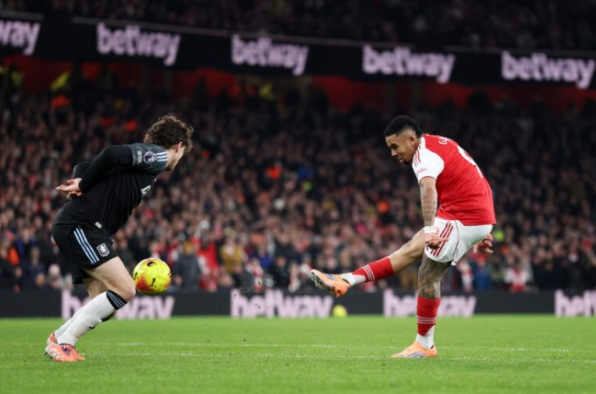
Old Trafford stalemate defined the night as Manchester United were held 1-1 by Wolves, surrendering control after pressure, VAR drama, and missed chances.
Old Trafford stalemate summed up a night of frustration for Manchester United as Wolves battled to a hard-earned 1-1 draw, denying the hosts a momentum-building victory and leaving lingering questions about cutting edge, composure, and late-game execution.
United dominated long spells, controlled possession, and dictated territory, yet once again failed to turn superiority into a decisive result. Wolves, under pressure and low on confidence coming into the fixture, departed Manchester with renewed belief after surviving waves of attacks and capitalising on United’s lapses at key moments.

United starts with authority
From the opening whistle, United looked intent on asserting themselves. They pressed high, moved the ball quickly through midfield, and pinned Wolves deep inside their own half. Early possession statistics reflected the pattern — United in control, Wolves content to defend compactly and wait for opportunities on the break.
The hosts probed patiently, switching play and testing Wolves’ defensive shape, but the final pass repeatedly let them down. Clear chances were limited as Wolves stayed organised, blocking central lanes and forcing United into wide areas where deliveries were easier to defend.
Still, pressure mounted.

Breakthrough comes with a slice of luck
United’s opening goal arrived midway through the first half, though it came via fortune rather than finesse. A speculative effort from outside the penalty area took a heavy deflection, looping awkwardly over the goalkeeper and into the net.
The goal lifted Old Trafford and appeared to justify United’s dominance. Wolves, however, did not fold. Instead, they responded with increased aggression, stepping higher and challenging United physically in midfield.
What followed was the beginning of an Old Trafford Stalemate that few inside the stadium anticipated at that moment.
Wolves capitalise on set-piece weakness
As halftime approached, the Wolves grew in confidence. United’s control began to loosen, and defensive concentration wavered. The visitors found joy from set-pieces — an area that has troubled United throughout the season.
Just before the interval, Wolves equalised. A poorly cleared delivery was confused in the box, and a close-range header punished United’s hesitation. The timing of the goal shifted momentum completely, silencing the crowd and energising the visitors.
At the break, United were level despite controlling most metrics, while Wolves had achieved exactly what they needed — belief.
Second half: Pressure without precision
The second period followed a familiar script. United monopolised possession and camped in Wolves’ half, circulating the ball with urgency but struggling to unlock a stubborn defence. Wolves dropped deeper, defended in numbers, and relied on discipline and last-ditch blocks.
United’s best moments came in flashes — quick combinations, shots from the edge of the box, and crosses whipped into dangerous areas — but composure deserted them at crucial moments. Wolves cleared lines, absorbed pressure, and frustrated both players and supporters alike.
Despite limited attacking intent, Wolves remained dangerous on the counter. On several occasions, United were forced into recovery runs and emergency defending to prevent a shock lead.
VAR drama deepens the frustration
As stoppage time arrived, United pushed everyone forward. The breakthrough finally appeared to come when the ball was bundled into the net, triggering wild celebrations around Old Trafford.
Moments later, joy turned to disbelief.
VAR intervened, reviewing the build-up before ruling the goal out for offside. The decision crushed United’s late hopes and sparked visible frustration on the pitch and in the stands. It was a moment that perfectly encapsulated the Old Trafford Stalemate — effort, pressure, and heartbreak separated by the finest of margins.
Read more news at: ireport247news.com
About The Author