NOUN student, Michael Coker’s death during an exam has sparked outrage as students question why emergency medical help was delayed.
NOUN, student death, examination incident, emergency response, Victoria Island, A tragic event unfolded at the Victoria Island study centre of the National Open University of Nigeria (NOUN), Lagos, when a student, Michael Coker, suddenly collapsed during an examination and later passed away.
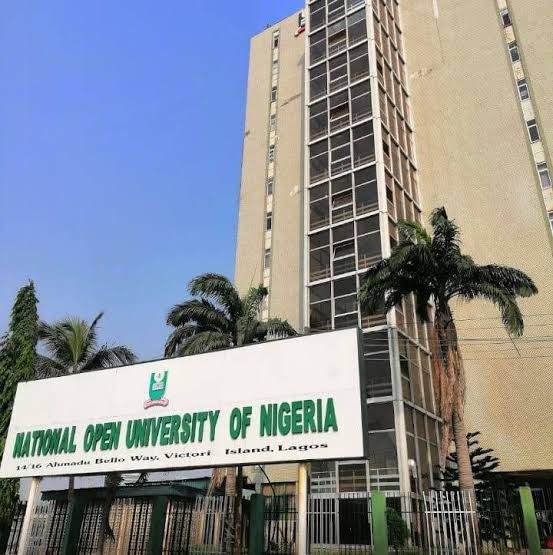
The incident has sparked widespread concern among students, staff, and the public regarding the emergency response procedures in place during examinations at the institution.
The collapse occurred on Tuesday, December 16, around 11 a.m., just after students had entered the examination hall.
Eyewitnesses described the hall as relatively calm, with corridors and stairways free of congestion at the time.
According to one student, identified as Bukola, Coker had been standing with another student behind him when he unexpectedly fell to the floor.
“Coker was standing when he suddenly collapsed,” Bukola told Punch on December 23.
“The student behind him immediately tried to support him and placed him gently on the floor. But despite the obvious seriousness of the situation, no immediate help was offered.”
Bukola alleged that a female senior lecturer from a nearby hall intervened at the scene but instructed students to return to their seats instead of assisting Coker.
She claimed that when students expressed concern, the lecturer dismissed their pleas, reportedly saying in Yoruba, ‘E fi sílè, ó máa dìde,’ meaning “Leave him; he will get up.”
Students reportedly attempted to help the stricken student, raising questions about whether he had a pre-existing medical condition or was experiencing convulsions.
Suggestions were made to provide basic first aid, including placing a spoon in his mouth to prevent biting his tongue, but Bukola said the invigilator continued to insist that students focus on their examinations.
“The situation was frightening,” Bukola explained.
“Coker remained on the floor, jerking and gasping for air. Help did not arrive for several minutes.
“Only when his breathing became severely unstable did one invigilator mention calling a nurse. Moving him to a chair took an additional five minutes.”
The nurse eventually arrived, administered first aid, and Coker was transported downstairs via elevator.
Students were instructed to resume their exams, and it was only after completing the examination that they were informed of the student’s death.
Another eyewitness, who also served as Coker’s class representative and identified as Prince Preskit, offered additional insight. He said that Coker had collapsed while attempting to log into the examination system.
Preskit suggested that the invigilator initially wanted students to give the student space rather than crowd him, but recognized the severity of the incident only after Coker’s condition worsened.
“The student was rushed to a hospital, but tensions escalated among students,” Preskit said.
“Some accused the lecturer of delaying emergency assistance. It was chaos, and many of us were deeply concerned about how quickly help was being provided.”
Reports indicate that Coker was first taken to a nearby hospital and then referred to another facility for specialized care.
There were conflicting claims about whether he had been rejected, but a hospital official from Bonny Camp Hospital clarified that the student was not turned away.
“The patient was referred to another facility where oxygen support would be available,” the official stated.
The incident has highlighted concerns over emergency response preparedness at NOUN’s study centres, particularly during examinations.
Questions have been raised about the role of invigilators in providing immediate assistance to students in distress, and the adequacy of medical personnel and equipment available on-site.
NOUN officials have yet to release a full statement addressing the circumstances surrounding Coker’s death.
However, students and advocates are calling for clearer guidelines and training for staff to ensure prompt and effective emergency responses in future incidents.
This examination incident serves as a reminder of the unpredictable nature of medical emergencies and the need for swift intervention to protect students’ lives.
Michael Coker’s NOUN student death has left a lasting impression on his peers and prompted urgent discussions about safety protocols, staff responsibilities, and the availability of medical assistance during high-stakes academic examinations.
The Victoria Island study centre is expected to review its emergency response procedures and staff training programs to prevent similar tragedies in the future.
Meanwhile, students have demanded increased transparency about the events surrounding the NOUN student death and assurances that corrective measures will be implemented promptly.
Michael Coker’s sudden death remains a tragic loss to the NOUN community, raising important questions about institutional preparedness and the responsibilities of academic staff during emergencies.
It also underscores the importance of timely medical intervention, effective communication, and the need for clear protocols to handle unexpected health crises during examinations.
In the wake of this incident, many are calling for a review of examination hall safety procedures across all NOUN centres, emphasizing the need for better monitoring, accessible medical support, and a culture that prioritizes student welfare over procedural formality.
Ireport247news
About The Author