

The Petroleum Products Retail Outlets Owners Association of Nigeria (PETROAN) has raised serious concerns over an estimated N11.35 trillion spent on the rehabilitation of Nigeria’s state-owned refineries, warning that continued opacity threatens confidence in the petroleum sector and aggravates energy insecurity across the nation.
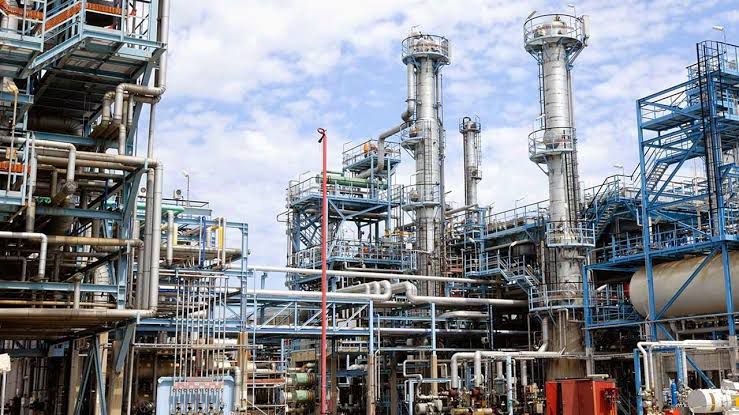
In a comprehensive review of Nigeria’s petroleum sector for 2025 and projections for 2026, signed by National President Billy Gillis-Harry and spokesman Joseph Obele, PETROAN highlighted that despite years of massive public investment, the Port Harcourt, Warri, and Kaduna refineries remain largely non-functional or underperforming.
“Over the past decade, massive public funds, reportedly around N11.35tn, have been expended on turnaround maintenance and rehabilitation of the four government-owned refineries, yet the facilities largely remain non-functional or underperforming,” PETROAN stated.
The association called for full accountability, emphasising the urgent need for forensic audits and transparent fund tracking to restore public trust.
“Clear accountability frameworks must be enforced to prevent further waste of public resources,” PETROAN added, warning that the lack of transparency has deepened investor scepticism and undermined confidence in the downstream sector.
PETROAN Demands Forensic Audit of NNPC Refinery Spending
According to PETROAN, the approved contracts for the refineries were substantial: the Port Harcourt Refinery alone received $1.5 billion, while Warri and Kaduna refineries were allocated a combined $1.48 billion.
These expenditures have heightened scrutiny from security agencies and legislative oversight bodies, with investigations probing alleged mismanagement and fraud.
The association linked the recurring failures of the refineries to broader downstream challenges, including persistent supply constraints and overreliance on imported petroleum products.
“The Port Harcourt Refinery, Nigeria’s largest state-owned complex, was shut down on May 24, 2025, after a brief period of production due to operational failures and inability to sustain commercial output following rehabilitation efforts,” PETROAN reported.
This shutdown has significantly constrained domestic refining capacity, driving up import dependence, straining foreign exchange reserves, and pushing pump prices higher.
PETROAN also highlighted the social impact, noting that host communities have borne the brunt of the closures.
Downstream Sector Instability Worsens in 2025
Beyond refinery setbacks, PETROAN observed that the downstream petroleum market suffered from fierce price competition among importers and local refiners throughout 2025.
“Intense competition led to frequent pump price adjustments, causing billions of naira in losses, market uncertainty, and reduced profit margins for retail outlet operators,” the association said.
While consumers benefited from temporary relief at the pumps, PETROAN warned that long-term sector sustainability and investment confidence were adversely affected.
The association also reviewed the Naira-for-Crude policy, which allocated approximately 250,000 – 300,000 barrels per day of crude to domestic refineries.
While the policy eased foreign exchange pressure and supported refinery feedstock, operational challenges and crude allocation inconsistencies limited its effectiveness.
Crude Production Remains Below OPEC Quota
PETROAN noted a modest recovery in Nigeria’s crude oil output in 2025, with production ranging between 1.3 and 1.5 million barrels per day, including condensates.
Despite this, production remained below Nigeria’s OPEC quota due to oil theft, pipeline vandalism, aging infrastructure, and limited upstream investment.
“Increasing crude production is critical for sustaining domestic refining, improving foreign exchange inflows, and stabilising downstream supply,” PETROAN emphasised.
Recommendations to Strengthen Nigeria’s Petroleum Sector
Looking ahead to 2026, PETROAN stressed that improvements in product availability are possible, but affordability will hinge on exchange rate stability, reliable crude supply, and sound regulatory frameworks.
The association reiterated its recommendations to stabilise the sector, including:
- Privatisation of refineries to enhance efficiency and operational accountability.
- Transparent crude allocation to ensure fair and consistent refinery feedstock.
- Continuous stakeholder engagement to foster cooperation between government, investors, and operators.
- Rigorous accountability mechanisms for public investment in the energy sector.
PETROAN also highlighted structural challenges such as poor infrastructure, erratic electricity supply, soaring energy costs, and insecurity, which cumulatively raise production costs and weaken competitiveness.
The association urged the Central Bank of Nigeria and fiscal authorities to coordinate effectively with industry stakeholders to unlock the sector’s full potential and support long-term growth.
“Strengthening monetary-fiscal collaboration, introducing additional policy instruments to facilitate credit flow to the real sector, and scaling up infrastructure investment are essential to reposition Nigeria’s petroleum sector for sustainable growth,” PETROAN added.
The Petroleum Products Retail Outlets Owners Association concluded that while 2025 reflected cautious recovery amid persistent structural challenges, 2026 presents an opportunity to consolidate gains if policies remain transparent, inclusive, and investor-friendly.
About The Author


