Nigerians may soon spend nearly ₦1 trillion more annually on petrol following the Federal Government’s decision to implement a 15% import tariff on petrol, a move that has sparked widespread concern among citizens, businesses, and oil sector stakeholders.
According to data obtained from the Nigerian Midstream and Downstream Petroleum Regulatory Authority (NMDPRA), the country imported an average of 26.75 million litres of petrol daily between January and September 2025.
Based on the newly approved tariff rate, each litre will attract an additional cost of ₦99.72, translating to about ₦2.67 billion daily and a yearly total of roughly ₦973.6 billion — an amount experts say will ultimately be borne by consumers through higher pump prices.
The new 15% import tariff on petrol was approved by President Bola Tinubu, following a proposal from the Executive Chairman of the Federal Inland Revenue Service (FIRS), Zacch Adedeji, who described the measure as a corrective step toward strengthening Nigeria’s fiscal base and promoting local refining.
Policy Intentions Behind the 15% Import Tariff on Petrol
In his memo to the President, Adedeji argued that the tariff would realign import costs with domestic market realities and prevent imported products from undercutting local refineries, including the Dangote Refinery and other modular plants.
“The core objective of this initiative is to operationalise crude transactions in local currency, strengthen local refining capacity, and ensure a stable, affordable supply of petroleum products across Nigeria,” the FIRS boss stated.
He emphasised that the policy was not designed merely to raise revenue but to promote competitiveness and transparency in the downstream oil sector.
According to him, the current misalignment between imported fuel costs and domestic refining prices has destabilised the market and discouraged investment in local refineries.
The new policy will come into effect after a 30-day transition period set to end on November 21, 2025.
Industry Reactions: Mixed Responses from Marketers and Analysts
Despite the government’s assurances, reactions from major stakeholders have been divided.
The Independent Petroleum Marketers Association of Nigeria (IPMAN) described the 15% import tariff on petrol as inconsistent with the principles of market deregulation.
IPMAN’s National Publicity Secretary, Chinedu Ukadike, said the directive could distort fair competition between importers and local refiners.
“Independent marketers are not opposed to the President’s policy direction, but this particular tariff contradicts the idea of a free market,” Ukadike explained.
“Once you liberalise the market and then start to favour one section of the industry, you are indirectly controlling the market, which defeats the purpose of deregulation.”
He advised the government to instead provide crude oil to local refineries at reduced rates and cut taxes to make domestic production more competitive.
“If local refineries can produce cheaper, importers will naturally stop bringing in products. There is no need for a tariff to force that shift,” he said.
Economic Implications of the Tariff
Economic analysts warn that the 15% import tariff on petrol could further fuel inflation, increase transport costs, and place additional pressure on households already struggling with the impact of subsidy removal.
Jeremiah Olatide, an oil market analyst and CEO of PetroleumPrice.ng, said the policy could generate significant revenue for government coffers but at a steep cost to the average Nigerian.
“Yes, the tariff will help raise revenue in the short term, but the timing is tough.
Nigerians are still adjusting to petrol prices of ₦800–₦900 per litre following subsidy removal. Adding another layer of cost will only worsen inflation,” Olatide stated.
He further warned that combining the tariff with a proposed five percent surcharge could make the downstream market more unstable.
“We need smarter fiscal coordination. Protecting local refineries should not come at the expense of consumer welfare,” he added.
Support from Pro-Industry Advocates
While some stakeholders have criticised the move, others view it as a necessary protectionist step.
The Centre for the Promotion of Private Enterprise (CPPE) has thrown its support behind the government, describing the 15% import tariff on petrol as a strategic policy aimed at industrial revival and economic self-reliance.
In a statement signed by its Director-General, Dr. Muda Yusuf, the group said the tariff could safeguard emerging domestic industries and stimulate value addition within the energy sector.
“Strategic protectionism is not about economic isolation but about strengthening domestic capacity to compete globally,” Yusuf explained.
“Sectors like cement and beverages flourished under similar protection, and the downstream oil industry can do the same with the right incentives.”
However, he cautioned that tariff protection alone is not enough.
The government, he said, must complement it with low-cost financing, reliable energy, infrastructure investment, and transparent regulation to ensure long-term consumer benefits.
Amid the heated debate, experts agree that the 15% import tariff on petrol reflects a delicate balancing act — between encouraging local production and mitigating public hardship.
While the government aims to curb excessive dependence on imported fuel and strengthen the naira, the reality remains that domestic refineries are not yet operating at full capacity.
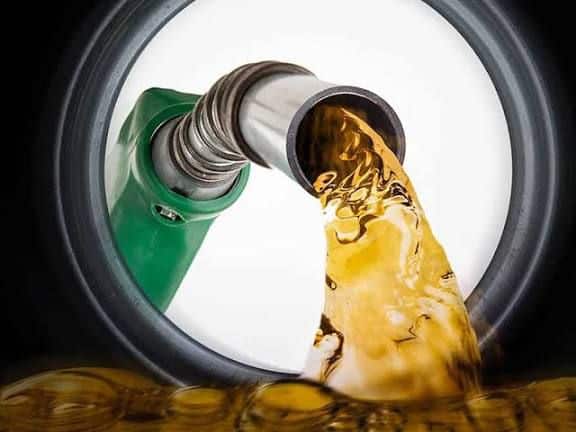
Until they do, Nigerians may continue to shoulder the burden of rising costs at the pump.
The Petroleum Products Retail Outlets Owners Association of Nigeria (PETROAN) has therefore urged the government to fast-track refinery repairs and production to prevent fuel scarcity during the upcoming festive season.
“NNPC and private refineries must ramp up output before December,” warned PETROAN President Billy Gillis-Harry.
“Otherwise, the tariff could trigger supply shortages and job losses among importers.”
As the 15% import tariff on petrol prepares to take effect, Nigerians brace for a new wave of economic adjustments — one that could either mark a turning point in Nigeria’s quest for energy independence or deepen the hardship already felt across the nation’s streets.