Nigerian Correctional Service warns protesters to avoid prison areas, declares correctional centres red zones ahead of the FreeNnamdiKanuNow nationwide protest.
The Nigerian Correctional Service has issued a strong warning to citizens and protesters, declaring all correctional centres across the country as red zones ahead of the planned FreeNnamdiKanuNow nationwide demonstration.
The Service emphasized that no form of protest, gathering, or unauthorized movement will be tolerated near any of its facilities on Monday, October 20, 2025.
In an official statement released by the Public Relations Officer, Umar Abubakar, the Nigerian Correctional Service stated that its facilities are highly sensitive security zones and must be respected as such.
It urged members of the public, particularly those planning to participate in the protest, to stay clear of all correctional centres to prevent unnecessary confrontations or security breaches.
“All correctional facilities across the country are hereby declared RED ZONES. These are restricted areas under heavy security, and no unauthorized individual or group should be found within or around them,” the Service announced.
According to the Nigerian Correctional Service, any individual or group found violating this directive will face serious legal consequences.
The Service warned that protests near prisons could lead to dangerous security situations, including possible jail disturbances or attempts at forced entry.
Umar Abubakar explained that correctional centres are not ordinary public spaces but secure institutions that play a critical role in the justice system.
He stressed that these facilities house inmates, officers, and sensitive operations that must not be disrupted under any circumstance.
The Nigerian Correctional Service reiterated that it is working closely with other law enforcement agencies, including the Nigerian Police Force, the Department of State Services (DSS), and the Nigerian Security and Civil Defence Corps (NSCDC), to enforce the red-zone order and safeguard the nation’s correctional infrastructure.
“The safety of inmates, staff, and the surrounding community is our top priority. We urge Nigerians to act responsibly, avoid restricted areas, and cooperate with security agencies to maintain law and order,” Abubakar stated.
He further warned that anyone attempting to breach or disrupt the peace around correctional centres during the protest would be promptly apprehended and prosecuted.
“The Service will not hesitate to apply lawful measures against any violator who disregards this security advisory,” he added.
Security experts have described the directive as a proactive move, saying that the Nigerian Correctional Service is acting to prevent possible violence or prison attacks similar to those recorded in past years during periods of nationwide unrest.
In previous incidents, mobs stormed correctional facilities, leading to mass escapes and loss of lives.
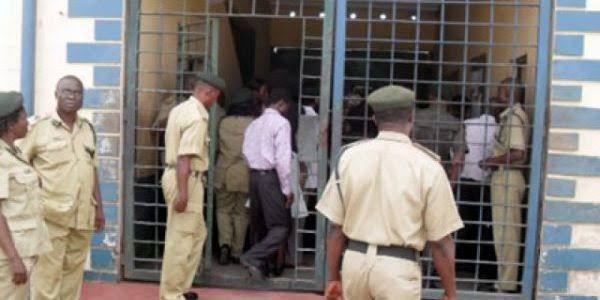
The Service has, therefore, tightened its security architecture, deployed additional officers, and reinforced surveillance systems nationwide. It also revealed that intelligence units are on high alert to detect and deter any threats before they escalate.
In addition, the Service called on community leaders, civil rights organizations, and religious groups to help sensitize citizens about the dangers of gathering around correctional institutions.
It emphasized that while the right to peaceful protest is constitutional, such rights must be exercised responsibly and within legal boundaries.
“Citizens have every right to express their opinions peacefully, but doing so near correctional centres poses a national security risk,” Abubakar noted.
“We appeal to organizers to choose safe and lawful venues for their demonstrations.”
Legal analysts have also weighed in, agreeing that the Nigerian Correctional Service has full legal authority to restrict access to prison environments.
They stated that such institutions are governed by federal security laws, and any attempt to interfere with their operation could be treated as sabotage or a threat to internal security.
Meanwhile, as the planned protests draw nearer, security operations have been intensified in major cities including Abuja, Lagos, Port Harcourt, and Enugu.
Armed personnel are said to be patrolling key prison corridors and monitoring movements around correctional centres to deter any unauthorized gatherings.
Observers believe that the government’s approach underscores a growing emphasis on preventing crises rather than reacting to them. Analysts also argue that while protesters may be motivated by political or ideological causes, public safety must remain paramount.
The Nigerian Correctional Service, in its closing remarks, reaffirmed its commitment to maintaining peace, protecting lives, and ensuring the integrity of correctional facilities nationwide. It called for calm, cooperation, and civic responsibility from all citizens.
“Our correctional facilities are critical to the justice system and national security. We urge everyone to respect their restricted status. Peaceful protest is acceptable, but it must never compromise public safety,” the Service concluded.
By this declaration, the Service made it clear that correctional institutions are off-limits during the planned demonstrations and beyond. Nigerians are, therefore, advised to exercise their civic rights within the law, avoid provocation, and support efforts to preserve national security.
The warning from the Nigerian Correctional Service serves as both a preventive and protective measure — ensuring that protests do not escalate into violent incidents or endanger the lives of inmates and citizens alike.
As October 20 approaches, the message is unambiguous: correctional centres are red zones, not protest grounds.
More news at ireport247news
About The Author