


Nigeria refinery crisis deepens as Obasanjo warns NNPC failure could worsen $20bn fuel import burden
Nigeria’s refinery crisis is intensifying after former president Olusegun Obasanjo warned that the country’s state-owned plants may never function effectively, raising fresh concerns over a fuel import bill estimated at up to $20 billion annually and its implications for foreign exchange stability in Africa’s largest economy.
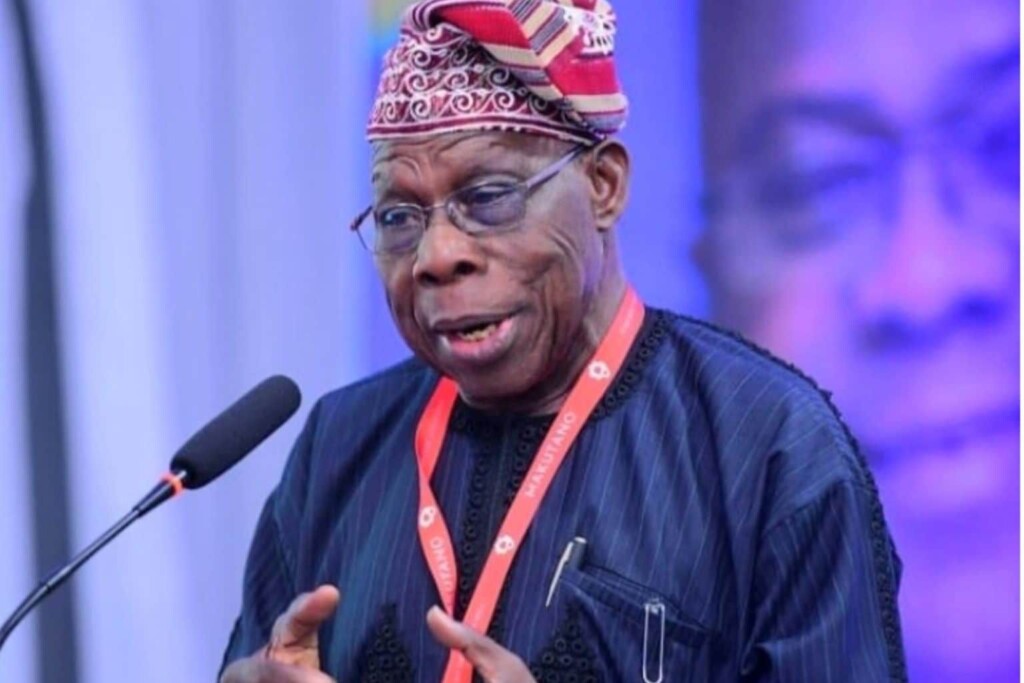
His remarks come as multilateral institutions and oil market bodies increasingly highlight Nigeria’s downstream inefficiencies as a key structural risk to macroeconomic stability.
A Costly Refining Failure
Nigeria operates four state-owned refineries under the Nigerian National Petroleum Company Limited with a combined installed capacity of about 445,000 barrels per day, but utilisation has remained negligible despite years of rehabilitation spending.
Public disclosures and policy estimates suggest that cumulative investment in refinery repairs has reached as much as $16 billion over the past decade, with little sustained output.
“The refineries will never work,” Obasanjo said, reinforcing concerns about governance inefficiencies and operational viability.
Fuel Imports and Structural FX Pressure
Nigeria’s inability to refine crude domestically has entrenched reliance on imported fuel, driving persistent demand for foreign exchange.
Industry-aligned estimates indicate annual fuel import costs of $15 billion to $20 billion, making petroleum products one of the largest components of Nigeria’s import bill.
The naira has traded in a volatile range of ₦1,400–₦1,600 per dollar, while external reserves have hovered around $32–$34 billion, according to data published by the Central Bank of Nigeria.
The International Monetary Fund has repeatedly flagged Nigeria’s oil-sector inefficiencies as a drag on external balances.
“Addressing structural bottlenecks in the downstream petroleum sector remains critical to reducing foreign exchange pressures and strengthening macroeconomic resilience,” the IMF said in a recent Article IV consultation summary on Nigeria.
Read Also: Soludo gives instant jobs to 37 first-class graduates in Anambra
Market Reaction: Bonds, FX and Investor Sentiment
Financial markets are increasingly reflecting the macro risks tied to the refinery gap.
According to March 2026 auction results released by the Debt Management Office, stop rates on benchmark Federal Government bonds cleared between 18% and 22%, with bid-to-cover ratios showing selective investor participation.
The naira has remained under pressure in forward markets amid sustained dollar demand from fuel importers.
“Investors are factoring in persistent FX demand linked to energy imports,” said a Lagos-based fixed income strategist. “Until domestic refining improves, that pressure is unlikely to ease.”
Subsidy Reform and Lingering Exposure
Nigeria removed its long-standing fuel subsidy in 2023 under President Bola Tinubu, ending a regime that cost more than ₦4 trillion annually at its peak.
While the move improved fiscal transparency, it did not eliminate exposure to global price volatility due to continued import dependence.
The World Bank has warned that Nigeria’s energy pricing reforms must be accompanied by structural improvements in supply.
“Sustained gains from subsidy reforms will depend on improving domestic supply conditions and reducing reliance on imports,” the World Bank said in its latest Nigeria development update.
Inflation has remained elevated above 30%, driven in part by energy and transportation costs.
Missed Privatisation and Early Warning Signs
Obasanjo also highlighted a failed privatisation effort, noting that Aliko Dangote once offered about $750 million to acquire stakes in two refineries — a deal reversed under Umaru Musa Yar’Adua.
Global oil major Shell had declined participation, citing concerns over scale, maintenance, and governance risks.
Analysts say these developments reflected early warning signs about the structural viability of state-owned refining assets.
Private Sector Shift: Dangote Refinery
The emergence of the Dangote Refinery is reshaping Nigeria’s downstream outlook.
With a capacity of 650,000 barrels per day and a project cost exceeding $19 billion, the facility is expected to reduce import dependence significantly.
The Organization of the Petroleum Exporting Countries has noted the potential impact of new refining capacity in Africa.
“New large-scale refining projects in Africa, particularly in Nigeria, could alter regional trade flows and reduce import dependency over the medium term,” OPEC said in a recent market outlook report.
Human Impact: Cost-of-Living Pressures
For households, the refinery crisis translates directly into higher living costs.
Transport fares and diesel prices have surged, while businesses reliant on generators face rising operational expenses.
“Every increase in fuel prices affects everything,” said a Lagos-based transporter. “We have to pass the cost on to passengers.”
The impact is visible in food prices, logistics costs, and small business margins across the country.
Policy Crossroads
The Nigerian National Petroleum Company Limited is seeking technical partners to revive refinery operations, but progress has been slow.
Analysts say Nigeria must choose between continued state-led rehabilitation and deeper private-sector participation.
“The macroeconomic cost of inaction is becoming too high,” said an Abuja-based energy economist. “Reform is no longer optional.”
Global Context
Compared with peer emerging markets, Nigeria’s refining deficit remains pronounced.
Asian economies have developed export-oriented refining hubs, while Middle Eastern producers continue to expand downstream capacity.
Nigeria’s continued reliance on imports, despite its crude output, highlights a structural imbalance that weighs on its economic outlook.
Outlook
Obasanjo’s warning reflects a broader consensus that Nigeria’s refining challenges are deeply structural.
Without decisive reform, the country risks remaining locked in a cycle of crude exports, fuel imports, and macroeconomic vulnerability.
For investors, the implications are clear: resolving the refinery crisis could ease FX pressure, stabilise the currency, and improve fiscal sustainability.
Failure to do so would reinforce one of the most persistent structural weaknesses in Africa’s largest economy.
Read more at ireport247news
About The Author
