The national guard deployment in Washington DC has been extended until February, sparking outrage from city officials, civil rights advocates, and residents worried about federal overreach and militarization.
Pentagon chief Pete Hegseth approved keeping nearly 2,400 troops stationed in Washington DC, with taxpayers shouldering roughly $1 million daily for a deployment many officials describe as unnecessary.
Local leaders describe the deployment as an “involuntary military occupation,” arguing that federal intervention in civilian law enforcement undermines democracy and violates the constitutional balance between city and federal authorities.
Brian Schwalb, DC attorney general, condemned the extended deployment, warning that prolonged troop presence risks normalizing armed federal control in civilian areas and intimidating residents during ordinary civic life.
The deployment follows a federal court ruling in Los Angeles, where a judge ruled Trump’s national guard deployment after immigration protest unrest illegal, raising legal concerns in Washington DC.
Trump’s administration frames deployments as crime prevention, yet critics argue that national guard troops’ presence escalates tensions, politicizes security forces, and undermines public confidence in law enforcement nationwide.
Earlier this month, Pentagon officials ordered all 50 states and territories to create “quick reaction forces,” training 500 troops per state in riot control, body shields, and Tasers.

Maj Gen Ronald Burkett emphasized the training’s purpose as maintaining public safety, yet opponents warn that militarizing civilian areas threatens democratic norms and blurs the line between policing and military authority.
Supporters argue troops deter violence in politically sensitive areas, while opponents warn that the national guard deployment in Washington DC erodes civil liberties, instills fear, and risks prolonged occupation.
Protests have emerged outside federal buildings, with residents expressing anger over what organizers call an illegal and unnecessary extension of national guard deployment in Washington DC.
Legal challenges are expected to continue, as courts consider the limits of federal authority over prolonged troop stationing, particularly regarding deployments in civilian cities like Washington DC.
Opponents note the enormous financial cost of the deployment, arguing that $1 million daily could fund local policing improvements, social programs, and preventive crime initiatives more effectively.
Trump has threatened additional deployments to other Democratic-run cities, fueling fears that the strategy politicizes national security, deepens partisan divisions, and expands militarized responses to civilian governance.
Civil liberties advocates demand transparency regarding troop activities, warning that prolonged deployments without oversight risk intimidation, abuse, and violations of fundamental rights within Washington DC’s civilian spaces.
The Pentagon memo establishing quick reaction forces shows the federal government’s intent to rapidly respond to unrest, yet critics insist heavily armed troops escalate tension instead of ensuring safety.
The extended national guard deployment in Washington DC has become a symbol of federal overreach, igniting urgent debates over militarized law enforcement and the limits of presidential authority.
City officials stress deployments should remain temporary, yet federal authorities justify the extension due to upcoming events, heightened political activity, and concerns about potential unrest in Washington DC.
Legal scholars argue prolonged troop stationing sets a dangerous precedent, potentially eroding civilian oversight and the independence of local governance, challenging the foundation of democracy in urban America.
Observers warn the extended national guard deployment in Washington DC may normalize militarized responses to protests, creating long-term political, social, and civil consequences for residents across American cities.
Federal officials insist troops maintain public safety, yet opponents argue heavy-handed intervention alienates citizens, undermines trust, and politicizes what should remain impartial law enforcement functions in Washington DC.
The continued presence of national guard troops highlights tension between federal authority and local autonomy, raising questions about the balance between national security and democratic governance in Washington DC.
City officials have requested increased oversight, stressing the importance of clear rules and limitations for the national guard deployment in Washington DC, warning that unregulated authority threatens residents’ civil liberties.
Trump’s administration insists the deployment is necessary for security, yet critics argue that extending militarized presence beyond November signals willingness to use force in politically contentious urban areas.
The Pentagon directive instructs states to train quick reaction forces, yet experts warn that equipping thousands with riot-control tools risks escalating unrest rather than protecting civilians and constitutional rights.
The extended national guard deployment in Washington DC has prompted questions about federal overreach, the militarization of civilian life, and the growing use of armed forces in domestic law enforcement.
City officials and civil liberties organizations insist deployments must remain temporary and transparent, with clear limits to avoid creating an environment of intimidation in Washington DC.
Financial costs continue to rise, with nearly $1 million spent daily, fueling criticism from residents and lawmakers who argue resources could improve public safety without militarization of city streets.
The Trump administration’s threats to deploy troops to other cities exacerbate partisan tensions, raising fears that national security decisions are being used as political leverage in urban governance.
Legal experts highlight potential violations of constitutional rights, emphasizing that prolonged national guard deployment in Washington DC risks setting a dangerous precedent for federal control over civilian cities.
Public protests have grown, with citizens demanding the removal of troops, transparency in operations, and respect for civil liberties, reflecting widespread distrust of the extended national guard presence.
Trump administration officials maintain the troops are needed to safeguard public safety during politically sensitive events, yet critics argue the measure is disproportionate, unnecessary, and increasingly controversial in Washington DC.
The Pentagon memo outlines nationwide training, but the heavy emphasis on crowd control, Tasers, and body shields raises alarms about turning national guard troops into quasi-law enforcement with minimal accountability.
The extended national guard deployment in Washington DC underscores the clash between federal power and local governance, igniting debates on constitutional limits, militarization, and protection of democratic institutions in the capital.
City officials and legal advocates vow to pursue court challenges, stressing that prolonged military presence risks undermining trust, civic participation, and democratic norms within Washington DC communities.
Observers warn that politicized deployments create long-term risks for civil society, potentially eroding confidence in government institutions and normalizing armed federal presence in civilian urban areas.
Supporters argue the national guard protects residents, yet opponents contend militarization inflames tensions, politicizes security, and signals a troubling precedent for government responses to urban unrest.
The ongoing national guard deployment in Washington DC illustrates the delicate balance between federal authority and civil liberties, forcing public debate over law enforcement, militarization, and democratic accountability nationwide.
Experts note that unchecked deployments may undermine constitutional protections, stressing the importance of legal oversight, accountability, and careful scrutiny to prevent abuse and preserve civil rights.
City leaders warn that prolonged military presence risks intimidation, disruption, and long-term political consequences, reinforcing fears that democracy itself is being compromised in Washington DC.
The Trump administration’s decisions highlight a growing reliance on militarized responses to civic unrest, sparking national debate over the appropriateness of using armed forces in American cities.
Public pressure continues to mount, with residents and advocacy groups demanding troop removal, transparency, and accountability for the extended national guard deployment in Washington DC.
The extended deployments raise urgent questions about federal authority, civil liberties, and the balance between safety and constitutional rights in cities, a debate central to democratic governance.
Legal analysts warn that continued troop presence could embolden further deployments in politically contentious locations, threatening long-standing norms of civilian oversight and the separation of powers in Washington DC.
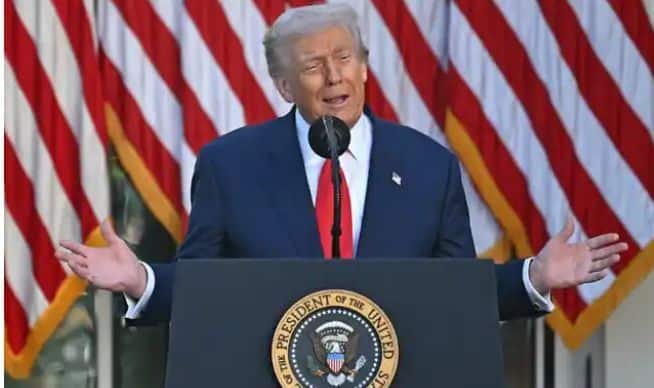
As the national guard deployment in Washington DC continues through February, public scrutiny intensifies, with national attention focused on civil liberties, federal overreach, and potential consequences for future urban governance.
City officials, legal experts, and residents insist the military should not operate in civilian areas without oversight, warning that extended deployments risk normalizing armed federal control over democratic institutions.
The ongoing situation underscores deep divisions in American governance, illustrating how federal authority, political strategy, and militarized responses collide with citizen rights, civil liberties, and local autonomy in Washington DC.
About The Author