

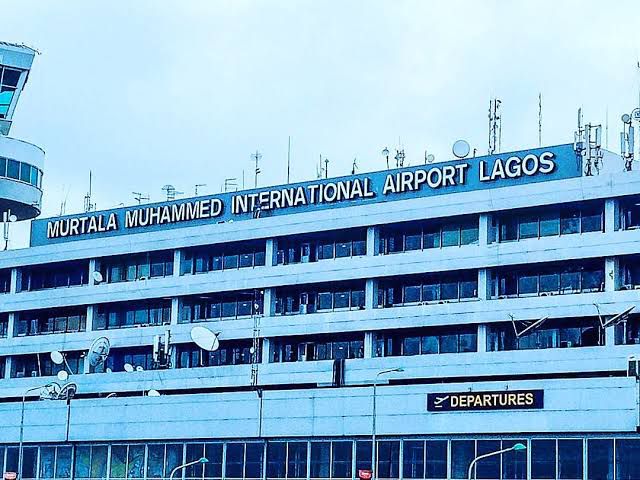
Stakeholders chart reform path for Lagos airport overhaul
Aviation industry leaders have intensified calls for strategic execution, innovation, and private sector collaboration as Nigeria moves ahead with the N712bn upgrade of the Murtala Muhammed International Airport (MMIA), Lagos.
The large-scale infrastructure project, financed through the Federal Government’s Renewed Hope Infrastructure Development Fund, is aimed at transforming the country’s busiest airport into a globally competitive aviation hub.
However, experts warn that without proper planning and policy alignment, the investment risks falling short of its long-term economic potential.
N712bn MMIA upgrade: Stakeholders push strategy, innovation
At a high-level policy dialogue convened in Lagos by the Aviation Safety Round Table Initiative, stakeholders stressed that the N712bn MMIA upgrade must go beyond structural rehabilitation to deliver efficiency, sustainability, and global relevance.
The forum brought together regulators, aviation professionals, and industry stakeholders to examine how the ongoing works can reposition Nigeria’s aviation sector within the African and global air transport ecosystem.
Participants noted that while the scale of investment reflects strong government commitment, public concerns over the project’s cost underscore the need for transparency, accountability, and measurable outcomes.
The President of the Aviation Safety Round Table Initiative, Air Commodore Ademola Onitiju (retd.), said the engagement was designed to complement government efforts by providing policy direction and actionable recommendations.
According to him, the N712bn MMIA upgrade presents a rare opportunity to redefine Nigeria’s aviation architecture, but success will depend on deliberate planning and stakeholder alignment.
He explained that beyond infrastructure, the focus must include operational efficiency, passenger experience, and long-term maintenance frameworks.
Push for global hub status
A key theme at the dialogue was the ambition to transform MMIA into a regional and international hub capable of handling significantly higher passenger traffic and airline connectivity.
Stakeholders projected that, with the right investments and policies, the upgraded airport could accommodate up to 30 million passengers annually and connect over 50 airlines to more than 100 global destinations.
They argued that achieving this vision requires integrating technology, modern air traffic management systems, and seamless passenger processing infrastructure.
Industry experts also emphasised that the N712bn MMIA upgrade should align with global aviation standards, including sustainability benchmarks such as green airport design and reduced carbon emissions.
Private sector seen as critical partner
Another major recommendation from the forum was the need to deepen private sector participation in aviation infrastructure development.
Stakeholders advocated the adoption of Public-Private Partnerships as a viable financing and operational model to ensure efficiency and reduce the fiscal burden on government.
They noted that relying solely on public funding could limit innovation and delay project delivery, while private sector involvement would introduce technical expertise, performance accountability, and operational discipline.
In addition, experts called for the implementation of liberal air service agreements and open skies policies to attract more international carriers and boost traffic through the airport.
They stressed that the N712bn MMIA upgrade must be supported by enabling policies that encourage investment and competition within the aviation sector.
FAAN outlines dual-hub strategy
The Managing Director of the Federal Airports Authority of Nigeria, Mrs Olubunmi Kuku, described the airport upgrade as part of a broader national aviation strategy anchored on developing dual hub airports in Lagos and Abuja.
She explained that MMIA and the Nnamdi Azikiwe International Airport would serve as the backbone of Nigeria’s air transport system, driving both passenger and cargo traffic across the region.
According to her, Nigeria’s large population, strategic location between West and Central Africa, and growing travel demand position the country to become a major aviation hub on the continent.
Kuku highlighted ongoing improvements under the N712bn MMIA upgrade, including terminal expansion, runway lighting enhancements, air navigation systems, and cargo facility modernisation.
She noted that these upgrades are expected to improve operational efficiency, strengthen safety standards, and increase passenger handling capacity.
Addressing long-standing infrastructure gaps
For years, stakeholders have raised concerns about ageing infrastructure, congestion, and operational inefficiencies at MMIA, which have limited its competitiveness compared to other major African airports.
Industry analysts say the current project provides an opportunity to address these structural challenges comprehensively.
However, they cautioned that infrastructure alone is not enough. Effective governance, regulatory consistency, and continuous investment in maintenance will be critical to sustaining the gains from the N712bn MMIA upgrade.
They also stressed the importance of integrating digital solutions, including automated passenger processing systems and smart airport technologies, to enhance service delivery.
Economic implications and outlook
Experts at the forum agreed that a successful upgrade of MMIA could have far-reaching economic benefits, including increased tourism, improved trade logistics, and job creation.
They noted that aviation plays a critical role in economic development by facilitating business travel, cargo movement, and regional integration.
If properly executed, the N712bn MMIA upgrade could significantly boost Nigeria’s Gross Domestic Product contribution from the aviation sector and position the country as a preferred transit hub in Africa.
Despite the optimism, stakeholders maintained that sustained collaboration between government, regulators, and private investors will be essential to achieving the project’s objectives.
Read more news at ireport247news.com
About The Author
