A massive enemy attack struck Kyiv overnight, killing one and injuring at least 24. Residential areas and critical infrastructure were hit, leaving parts of the city without heat during winter.
Mayor Vitaly Klitschko described the assault as unprecedented, saying a pregnant woman and a man in critical condition were among the injured, highlighting the human cost of the bombardment.
Authorities reported that a 55-year-old man in Bila Tserkva suffered severe thermal burns, underlining the indiscriminate nature of Russian missiles and drones targeting both civilians and strategic infrastructure.
Emergency teams rescued more than 40 residents trapped in damaged buildings, responding amid fires, debris, and chaos. Kyiv’s northeastern districts were especially devastated during the massive enemy attack.
Tymur Tkachenko, head of Kyiv’s military administration, confirmed high-rise residential buildings were hit throughout the city, demonstrating the broad scope and deliberate targeting of civilian population centers.
The Russian Defence Ministry claimed its forces intercepted over 200 Ukrainian drones, while local authorities documented severe damage to heating networks, electricity lines, and other vital urban infrastructure.
Internationally, the G7 condemned the assault, reiterating unwavering support for Ukraine. Canada imposed new sanctions on Russian drone, energy, and cyber operations in response to the massive enemy attack.
The destruction intensified concerns about winter survival, with heating outages threatening elderly and vulnerable residents. Officials warned the humanitarian impact would worsen while repairs are underway.
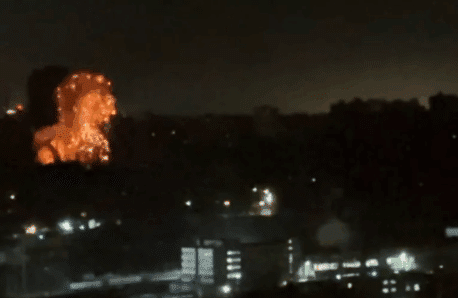
Ukrainian forces continue fighting on multiple fronts, yet the massive enemy attack on Kyiv underscores Moscow’s focus on urban centers, critical infrastructure, and the civilian population.
The psychological impact on residents is acute, with families forced into shelters while authorities work tirelessly to maintain essential services and emergency response under constant threat.
Despite ongoing strikes, Kyiv officials vowed resilience. Mayor Klitschko called on citizens to report hazards, cooperate with emergency teams, and support community recovery efforts after the massive enemy attack.
Humanitarian organisations have deployed additional teams to provide shelter, medical assistance, and psychological support. The attack illustrates the dual challenge of protecting civilians while maintaining civic functions.
Analysts argue the massive enemy attack is part of a broader strategy to erode morale and weaken Ukraine’s civil infrastructure, aiming to create fear, instability, and long-term disruption.
Repair and recovery operations are underway, with authorities coordinating restoration of heating, electricity, and public utilities. The massive enemy attack left visible damage across multiple city districts.
Russian strikes are also affecting water supplies, transport networks, and communication lines, complicating emergency efforts. Residents report continued electricity fluctuations and limited access to basic services.
Firefighters and rescue teams operate under constant threat, often returning to burning buildings amid further air raids. The sustained pressure demonstrates the strategic intent behind the massive enemy attack.
International monitors warn that such assaults violate principles of humanitarian law, given the clear targeting of civilian neighborhoods and energy infrastructure vital for survival during winter.
Emergency shelters in Kyiv are overcrowded, while hospitals report increasing patient intake. Healthcare staff struggle to manage injuries from both missile strikes and fire-related accidents.
Ukrainian authorities stress that citizens must remain vigilant, follow safety protocols, and cooperate with local emergency services, especially in districts heavily impacted by the massive enemy attack.
Residents recount terrifying experiences as explosions shook apartment buildings and shattered windows. Many fled to basements, fearing further Russian missiles could strike at any time.
Local officials emphasise that timely reporting of hazards and community coordination can save lives. Relief operations depend on civic cooperation to reach those trapped or injured during assaults.
Analysts note that Russia’s targeting of urban energy infrastructure increases humanitarian vulnerability while attempting to undermine public confidence in Ukraine’s ability to protect its citizens.
The massive enemy attack demonstrates how modern urban warfare directly threatens civilians and essential services, creating compounded risks during harsh winter conditions and ongoing military operations.
Authorities warn of prolonged heating outages, emphasizing the importance of rapid repair teams and international assistance to mitigate further suffering caused by the sustained bombardment.
Psychologists report rising anxiety levels among Kyiv residents. Families face long-term trauma as repeated attacks destabilize everyday life, creating a pervasive sense of insecurity and fear.
Military observers stress that Ukrainian forces must defend the capital while continuing frontline operations elsewhere. The massive enemy attack forces the diversion of resources to protect civilians.
Emergency response coordination is ongoing, with priority given to restoring electricity, heating, water, and communications. Public officials acknowledge that multiple districts face weeks of repair before full recovery.
The relentless attacks underscore the vulnerability of urban centers in modern warfare, highlighting the importance of international support, humanitarian aid, and civil defense measures in Kyiv and other cities.
Western governments continue to provide military and humanitarian assistance, while sanctions aim to limit Moscow’s capacity to sustain attacks on urban populations. The massive enemy attack reflects ongoing Russian efforts to pressure Ukraine strategically.
Despite damage and casualties, Kyiv residents are demonstrating resilience. Community efforts, volunteer brigades, and local authorities are essential in maintaining services and supporting those affected by the bombardment.
The long-term impact of the massive enemy attack extends beyond physical destruction. Social cohesion, economic stability, and civilian morale face ongoing threats as winter approaches and emergency resources remain stretched.
Authorities continue documenting damage, assisting affected families, and mobilizing resources to restore critical infrastructure. The massive enemy attack leaves a lasting imprint on the city’s landscape and civilian psyche.
International observers continue monitoring developments closely. Diplomatic pressure, sanctions, and humanitarian aid are being coordinated, yet the immediate priority remains civilian protection and urban infrastructure restoration.
Kyiv’s leadership emphasizes the need for preparedness, vigilance, and international solidarity. Citizens are urged to follow official guidance, assist emergency teams, and report hazards as the city navigates recovery.
The massive enemy attack on Kyiv highlights both the human and strategic dimensions of the conflict, showing the dual toll of direct military action on civilians and the city’s infrastructure.
As winter deepens, officials warn of further humanitarian strain. Rapid repair, emergency relief, and resilience measures remain critical to mitigate the impact of ongoing assaults on the population.
Kyiv’s experience underscores the challenges of modern urban warfare, where civilian populations bear the immediate brunt of attacks while authorities strive to maintain essential services and public order.
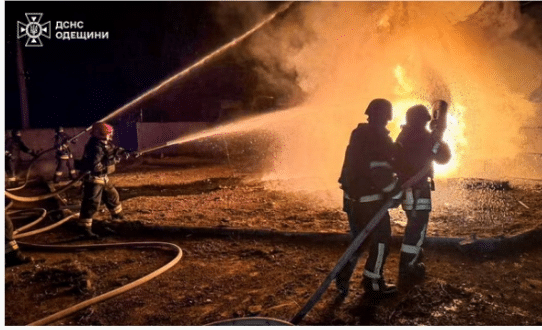
Residents and authorities alike are bracing for further assaults, aware that the massive enemy attack is part of a sustained campaign intended to disrupt normal life, challenge resilience, and test emergency response capacity.
The city continues to coordinate with humanitarian organisations and international partners to provide shelter, medical aid, and psychological support, ensuring civilians can survive ongoing threats while repairs are completed.
About The Author