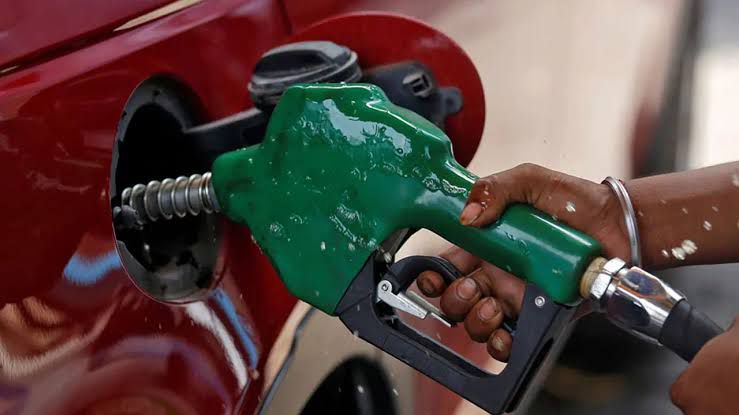
Petrol prices have dropped below N900 per litre across various parts of Nigeria, following a significant N40 reduction in the ex-depot rate by the Dangote Petroleum Refinery, according to a market survey conducted over the weekend.
Several filling stations in Lagos, Ogun, and parts of the South-West are now dispensing petrol at between N875 and N890 per litre, reflecting a long-anticipated shift after weeks of public outcry over persistent high pump prices.
The price reduction follows Dangote Refinery’s decision to slash its petrol ex-depot price from N880 to N840 per litre, which took effect from June 30, as confirmed by Dangote Group spokesperson Anthony Chiejina. The move comes after crude oil prices dropped below $70 per barrel, reversing the earlier spike triggered by tensions in the Middle East.
Major depot operators quickly mirrored Dangote’s cut, with top marketers including RainOil, Matrix, Pinnacle, Emadeb, Swift, and Wosbab adjusting their ex-depot prices to N840 per litre. Some, like First Royal and Aipec, went further, offering petrol at N838, while Aiteo listed prices at N837.
The ripple effect was evident on Sunday as MRS Oil, a key distributor of Dangote’s products, dropped its pump price in Lagos from N925 to N885. Prices also dropped across the North and South-South regions, with variations based on location and logistics costs.
Field observations on Sunday revealed that filling stations along the Lagos-Ibadan Expressway and within metropolitan areas had begun adjusting pump prices in line with the new depot rates. AP and SGR stations offered petrol at N880, As-Sallam at N875, Akiavic at N885, and SAO at N890. Some outlets like NIPCO and Satellite still maintained a price of N900, while Rainoil stations along the highway displayed N910.
This development marks a major shift from the situation just two weeks ago, when petrol sold between N915 and N960, with some far northern states reporting prices close to N980 per litre due to long-distance supply chain costs.
Despite the refinery’s price cut on June 30, most marketers hesitated to reflect it at the pump, citing the need to exhaust old stock purchased at higher rates.
Speaking to our correspondent, Billy Gillis-Harry, National President of the Petroleum Products Retail Outlet Owners Association of Nigeria (PETROAN), explained:
“We need to exhaust existing stocks. It would be bad business to sell at a loss of N100 per litre.”
However, as of this past weekend, many filling stations had reportedly completed the sale of older inventories, allowing them to restock at reduced prices and finally adjust pump rates downward.
The recent fall in Brent crude to $68 per barrel and West Texas Intermediate to $66 helped ease global supply concerns. The previous spike — driven by Israel-Iran hostilities — had pushed Brent to over $77 per barrel, raising the cost of refined products globally.
With the return of relative calm in the Middle East, the cost of petrol imports and refinery outputs has also dropped, enabling Dangote and depots to slash prices accordingly.
Analysts believe the current drop may offer temporary relief, but sustained affordability will depend on further drops in crude oil prices and stable exchange rates.
There’s also growing pressure on the Federal Government to stabilize domestic refining capacity, improve supply chain efficiency, and address bottlenecks in petrol distribution, especially to inland states where logistics costs remain high.
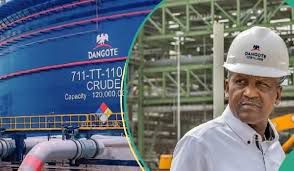
The Dangote Refinery, currently the largest single-train facility globally, is now seen as a key player in price stabilization for petroleum products in Nigeria — challenging longstanding monopoly in the downstream oil sector.
As petrol prices fall across the board, many consumers are hopeful that a more competitive market, driven by local refining, will finally help cushion the harsh economic realities faced by Nigerians daily.
About The Author