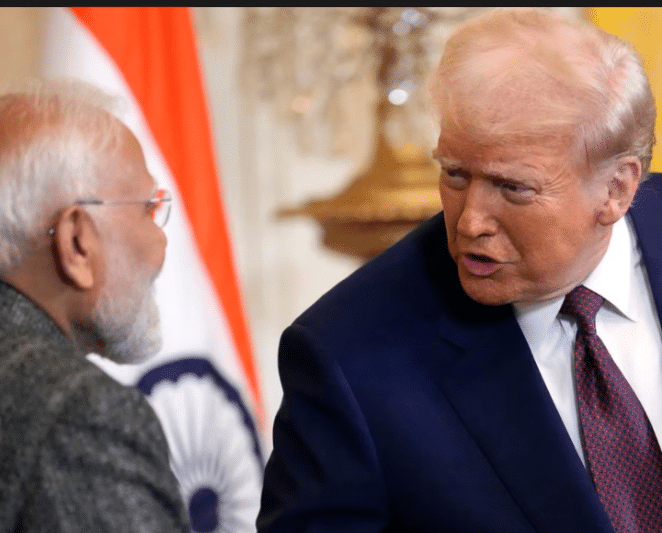
A decorated US Marine colonel and combat veteran resigned after 24 years of service, publicly attributing his departure to President Trump’s disregard for the Constitution.
Doug Krugman announced he left the military on 30 September, coinciding with a controversial address by Trump and Defense Secretary Pete Hegseth to senior US military leaders.
The speech, delivered in Virginia to an audience of top-ranking military personnel, focused on partisan priorities, sparking debate over the administration’s influence on the armed forces.
“I gave up my career out of concern for our country’s future,” Krugman wrote in an op-ed for the Washington Post, warning of potential governmental collapse.
Krugman encouraged fellow service members to question orders they believed immoral or illegal, emphasizing personal responsibility and reminding others that they are not alone in such dilemmas.
“If they have doubts about their orders, they are not alone,” Krugman said, stressing that ethical accountability should guide military decision-making in turbulent political times.
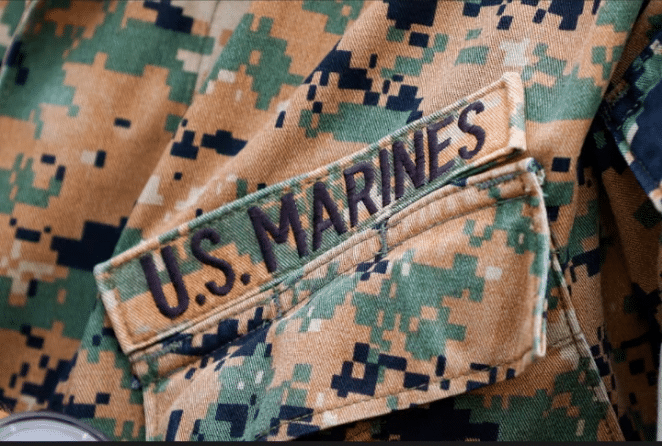
During the speech on 30 September, Trump reportedly told military leaders, “If you don’t like what I’m saying, you can leave the room. Of course, there goes your rank.”
Krugman said he had already resolved to resign that day, ensuring his departure aligned with his principles rather than the president’s threats.
He reflected on how the 6 January 2021 riots complicated his military career, citing Trump supporters’ violent attempts to prevent certification of Joe Biden’s election win.
The former colonel criticized Trump’s 2025 pardons for the January 6 insurrectionists, arguing the administration’s actions demonstrated a lack of moral leadership and endangered democratic norms.
Krugman also referenced the refusal to grant refuge to Afghan allies who risked their lives for the United States, illustrating his growing concern about presidential ethics and accountability.
“Ignoring reality to take advantage of vague laws to assume emergency powers is also immoral,” Krugman wrote, highlighting his belief that the president repeatedly tested constitutional limits.
He further criticized the federalized deployment of the National Guard to states without proper requests, particularly citing Portland, Oregon, where Trump declared a “war zone” disconnected from reality.
“Instead of working within the constitution, or attempting amendments, President Trump is testing how far he can ignore it,” Krugman added, underscoring the growing constitutional crisis.
Krugman concluded his essay with a warning to voters and legislators, stressing the importance of closing gaps in presidential authority to prevent further erosion of governance.
“If voters and legislators cannot clarify limits of presidential power, those who serve our government will continue to struggle,” he wrote, urging legal reforms to uphold democracy.
The Marine Colonel resignation adds to mounting concern among US military veterans over partisan influence and ethical dilemmas faced when presidential priorities conflict with constitutional responsibilities.
Krugman’s public critique reflects broader unease in the military over loyalty, lawfulness, and the role of ethics in defending the nation’s foundational principles.
By framing his resignation as a moral choice, Krugman has sparked debate about the responsibilities of service members when national leadership challenges democratic norms.
Experts note that such high-profile departures may influence other officers to reconsider their positions, weighing personal integrity against career advancement within politically charged environments.
The former colonel’s op-ed has generated bipartisan discussion on the limits of presidential authority, the military’s role in democracy, and the importance of constitutional adherence.
Trump’s administration continues to defend its policies and decisions, claiming actions such as pardons and emergency declarations are within presidential rights and aligned with national security objectives.
Krugman, however, remains critical of the administration’s approach, arguing that unchecked executive power risks undermining both governance and public trust in democratic institutions.
Veterans organizations have called for increased transparency and guidance to ensure military personnel are not forced into ethical conflicts during political crises.
Observers suggest that Krugman’s resignation could set a precedent for senior military officials who feel compelled to take principled stands against partisan or unconstitutional directives.
The Washington Post op-ed has amplified nationwide attention to concerns over military ethics, presidential accountability, and the potential consequences of politicizing the armed forces.
Krugman’s story underscores the tension between military duty, personal ethics, and national loyalty, sparking dialogue on the balance between obedience and moral judgment in the armed forces.
His departure resonates with Americans questioning the trajectory of governance, executive power, and the mechanisms in place to preserve constitutional norms amid political turmoil.
The resignation also adds context to debates over how the military interacts with elected leadership, emphasizing that adherence to legal and ethical standards must supersede partisan pressure.
Krugman’s final message urged colleagues to act conscientiously, reminding service members that challenging orders when necessary is a critical component of sustaining democracy and the rule of law.
“Those serving must recognize their responsibility for their actions, and that asking questions is not disloyal but essential to protecting our nation,” he concluded in his op-ed.
His career-ending decision highlights the increasing difficulty for military leaders navigating political interference while striving to uphold constitutional principles.
Krugman’s departure comes amid a series of contentious decisions by the Trump administration, raising ongoing debates about the intersection of presidential power, ethics, and national security.
The former colonel’s resignation serves as a cautionary tale for future leaders, emphasizing that defending the Constitution sometimes requires personal sacrifice and principled resistance.
Political analysts suggest Krugman’s resignation will fuel discussions over reforming military guidelines for engagement with partisan directives, reinforcing legal boundaries for executive influence on defense forces.
Several retired generals have reportedly expressed private agreement with Krugman’s stance, though many remain hesitant to publicly criticize presidential authority, reflecting ongoing tension within the military community.
Some lawmakers have called for hearings to examine the ethical implications of recent military directives, citing the need for oversight when political decisions intersect with national security concerns.
Krugman’s decision may also affect recruitment and retention in the armed forces, as potential recruits evaluate military service amid fears of political interference and ethical compromise.
Observers argue this resignation underscores the fragility of democratic norms when top officials ignore constitutional limits, highlighting the need for vigilant oversight and principled leadership.
By publicly explaining his reasoning, Krugman has added to a growing narrative about the importance of moral courage in government and the role of service members in defending democratic institutions.
Military ethicists stress that Krugman’s action is not only personal but emblematic of broader concerns about maintaining integrity, accountability, and professionalism in the US armed forces.
The Marine Colonel resignation also coincides with ongoing national debates about presidential emergency powers, checks and balances, and the responsibility of military leadership to uphold legal and ethical standards.
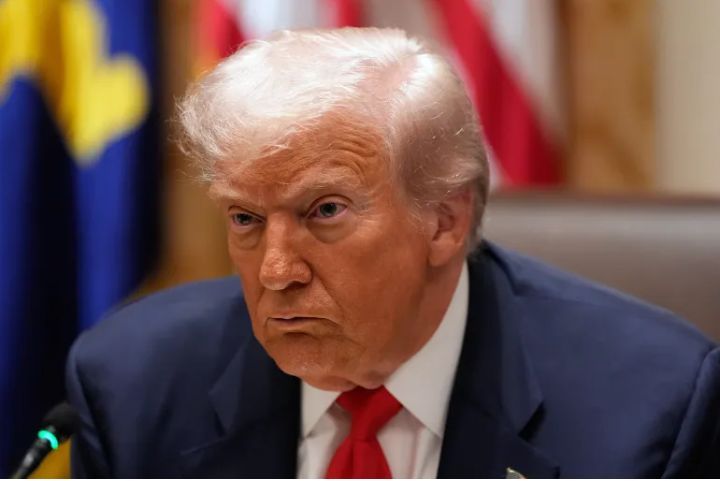
Krugman’s case serves as a reminder that adherence to constitutional principles may at times require challenging authority, even at the cost of a distinguished military career.
The former colonel’s op-ed closes with a plea for citizens, legislators, and service members to remain vigilant, act ethically, and uphold the structures that safeguard democracy.
His departure highlights that the military’s duty is not solely to follow orders but to ensure those orders are lawful, moral, and aligned with the Constitution.
In doing so, Krugman has reignited public discussion about the delicate balance between civilian leadership and military independence in a politically polarized environment.
About The Author