

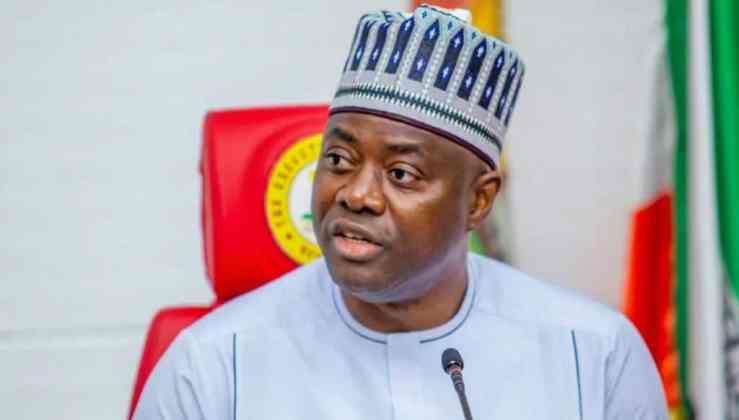
Oyo State Governor, Seyi Makinde, is reportedly facing mounting political pressure following a succession of resignations and defections involving individuals who previously occupied influential positions in his administration and political structure.
The development has reportedly prompted the governor to begin a series of consultations with cabinet members, party chieftains and other political associates in an attempt to address the growing dissatisfaction and prevent further departures ahead of the 2027 general elections.
The situation has become particularly noticeable in Ogbomoso Zone, where several prominent political figures and local government representatives are said to have abandoned the Allied People’s Movement (APM) for the All Progressives Congress (APC).
The growing movement of former allies into the opposition camp has raised questions about the strength of Makinde’s political structure, especially as disagreements over the party’s internal arrangements and succession plans reportedly continue to generate tension.
Among the politicians recently reported to have joined the APC are former Chief of Staff to the governor, Hon. Segun Ogunwuyi; Alhaji Rasak Gbadegesin, popularly known as Agbeti; Hon. Timothy Oyeniyi; Hon. Alabi Olateju; Hon. Isaiah Adegbite; Hon. Peter Oyetunji; and Hon. Jimoh Sikiru, the former APM chairman in Ogbomoso North.
The reported departures are not limited to Ogbomoso North, as political figures and local government representatives from Ogbomoso South, Surulere and Ogo-Oluwa are also said to have withdrawn from the party.
Their reported defection represents another challenge for the governor, whose political camp has witnessed several notable exits involving both serving officials and individuals who previously occupied strategic positions within the administration.
Among the earlier departures were Commissioner for Budget and Economic Planning, Ayobami Oluwaseun Ojo, and Special Adviser to the ministry, Simeon Adegbola Oyeleke, who reportedly resigned with effect from November 2.
While Ojo did not publicly explain the circumstances surrounding his resignation, Oyeleke offered a glimpse into his reasons for leaving government.
He reportedly expressed dissatisfaction with the working environment, explaining that the situation had made it increasingly difficult for him to identify with the aspirations of the people he represented while serving in the administration.
Another resignation occurred at the Oyo State Independent Electoral Commission (OYSIEC), where Sunday Olugbenga Falana relinquished his position.
Although he appreciated Makinde for the opportunity to serve, Falana did not publicly provide details of the reasons behind his departure.
The administration also recorded the exit of Tara Adefope, the Director-General of the Due Process Office, adding to the growing list of government officials who have left their appointments.
Beyond the civil and political appointments, some influential figures who once played significant roles in Makinde’s political journey have also moved away from his camp.
They include Hosea Agboola, popularly known as Alleluyah, who chaired the Governor’s Advisory Council; former Deputy Governor and Ambassador, Taofeek Arapaja; and Alhaji Bisi Olopoeniyan.
Agboola and Arapaja have reportedly moved to the APC, further drawing attention to the changing political relationships within the state.
Also among those who have parted ways with the governor are his former Political Adviser, Chief Babatunde Oduyoye, and former Special Adviser on Security, Fatai Owoseni.
Owoseni officially tendered his resignation on May 7, 2026.
Makinde Seeks Solutions Through Closed-Door Meetings
Amid the unfolding developments, the governor is reportedly holding private discussions with remaining political associates and members of his administration to examine the reasons behind the growing discontent.
Sources familiar with the engagements disclosed that some of the meetings took place at Makinde’s residences in the Ikolaba area and Kolapo Ishola Estate, both in Ibadan.
The discussions reportedly provided an opportunity for the governor to hear directly from individuals who have concerns about the direction of the party and the political decisions taken by its leadership.
One source familiar with the meetings claimed that Makinde was concerned about the possibility of additional defections, particularly after some participants reportedly indicated that more political figures could still leave the party.
According to the source, the governor sought suggestions on how to address the situation and restore confidence among stakeholders who have become dissatisfied with recent developments.
The source further disclosed that some attendees used the opportunity to express their grievances, identifying what they considered to be the major causes of the disagreements within the political camp.
At the centre of the reported complaints was the emergence of Bimbo Adekanmbi as the party’s governorship candidate for the 2027 election.
Some dissatisfied stakeholders were said to have questioned the process that produced Adekanmbi, alleging that the governor’s decision was taken without adequate consultation with other influential members of the party.
They reportedly argued that the handling of the governorship succession issue had contributed significantly to the divisions now confronting the political structure.
The source claimed that Makinde appeared worried when some participants suggested that the recent defections might not be the last, prompting further discussions on how to prevent the situation from escalating.
Other issues reportedly discussed included aspects of the state government’s policies, which some political associates believed had generated negative public reactions and contributed to dissatisfaction among sections of the political class.
Although the reported meetings indicate efforts to manage the situation internally, it remains unclear whether the consultations will produce the desired outcome.
With the 2027 elections approaching, the movement of prominent political figures between parties could have implications for the strength of the various political camps in Oyo State.
For Makinde, the immediate challenge appears to be maintaining cohesion among his remaining supporters while addressing complaints over party leadership, political appointments and the succession process.
Whether the ongoing consultations will halt the departures or encourage some former allies to reconsider their positions remains to be seen.
About The Author
