Labour has announced that trans women will be barred from the main hall at its 2026 women’s conference, a move critics describe as exclusionary and controversial.
The party confirmed that trans women will only be permitted to attend fringe events, exhibition spaces, and an evening reception, in what is seen as adherence to legal guidance.
This decision prevents trans women from voting on motions, policy debates, and national women’s committee elections, effectively limiting their participation in the party’s democratic processes.
Labour insiders revealed that alternative proposals were discussed, including postponing or cancelling the conference, but the party ultimately decided on a restricted approach to comply with the law.
The cancellation of the 2025 women’s conference had previously sparked significant debate, with both gender-critical and trans-inclusive campaigners criticizing the decision, highlighting the sensitivity surrounding gender inclusion in politics.
“The exclusion of trans women from the main hall is deeply disappointing,” a Labour for Trans Rights spokesperson told LabourList, emphasizing that many trans members have long contributed to the party.
The spokesperson continued, “These members have canvassed, campaigned, and stood as candidates, yet they are now denied their voice in crucial policy decisions.”
A representative from the Labour Women’s Declaration welcomed the decision to “follow the law” but argued the party should extend restrictions to all single-sex workshops, reflecting the group’s gender-critical stance.
The controversy echoes broader debates in the UK following the Supreme Court’s ruling on the legal definition of “woman,” which clarified that the Equality Act 2010 refers to biological sex.
Equalities Minister Bridget Phillipson has indicated that government guidance on single-sex spaces will take time to develop, leaving organisations uncertain about how to balance inclusion and legal compliance.
The Equalities and Human Rights Commission (EHRC) has previously urged Phillipson to expedite guidance, warning that some organisations are operating practices that may be unlawful under current definitions of sex.
Labour’s decision appears aimed at striking a balance between legal obligations and political pressures, allowing trans women limited participation while complying with the Supreme Court’s definition.
Fringe events, evening receptions, and exhibitions will remain accessible to trans women, though the inability to participate in the main hall restricts exposure to major policy debates and keynote speeches.
Labour officials emphasized that the National Women’s Conference will proceed after a “comprehensive legal review,” asserting that the decision reflects a commitment to female representation in the party.
Observers note that other organisations, including the Women’s Institute, have already announced trans women bans following the Supreme Court ruling, illustrating how legal interpretation is reshaping women-only spaces nationwide.
“Trans women are being systematically cut out from meaningful participation,” said a campaigner with a trans-inclusive group. “This affects members who have devoted years to advancing the party’s mission.”
Girlguiding similarly announced restrictions this year, barring trans girls from joining, citing legal necessity under the Supreme Court’s ruling, further highlighting tensions between inclusion and statutory compliance.
Critics argue that such bans risk alienating trans members and supporters, potentially undermining Labour’s claims to diversity, equality, and progressive representation within political structures.
Labour’s spokesperson stated: “We remain committed to addressing underrepresentation of women while ensuring all decisions adhere to current legal requirements, aiming for fair and lawful inclusion.”
The party’s stance has prompted debate among both gender-critical feminists and trans rights advocates, reflecting a deep divide within the wider women’s movement in the UK.
Some legal experts suggest that further clarification from the EHRC is essential to prevent inconsistent practices across political organisations, schools, and voluntary associations.
Political commentators note that the decision may influence internal party dynamics, with younger and more socially progressive members likely to push for broader inclusion in future conferences.
Fringe events are expected to host discussions on diversity and inclusion, offering trans women some platform to engage, although access to primary debates and leadership speeches remains restricted.
“This compromise approach tries to respect legal definitions while still including trans voices in side events,” said one Labour insider, acknowledging both legal pressures and political backlash.
Nevertheless, the exclusion from the main hall represents a significant barrier to political influence for trans members, limiting their ability to shape key motions and decisions.
The debate reflects wider societal discussions about gender identity, inclusion, and the role of biological sex in defining women-only spaces, topics increasingly contested in UK law and policy.
Labour officials remain firm that the 2026 conference will go ahead, stressing that it represents a chance to reinforce women’s representation while operating within a clarified legal framework.
Supporters of trans inclusion argue that the party should instead focus on broadening participation, maintaining democracy, and protecting the rights of all members, rather than restricting access based on biological definitions.
Meanwhile, gender-critical advocates insist that excluding trans women from specific spaces is necessary to protect the rights of biological women, framing the issue as a matter of fairness and safety.
Labour’s decision will likely continue to draw scrutiny from activists, the media, and members themselves, keeping the conversation around trans inclusion and women’s representation at the forefront of party politics.
The ongoing debate underscores the complex intersection of law, politics, and social values, illustrating the challenges parties face in accommodating both legal compliance and equality objectives.
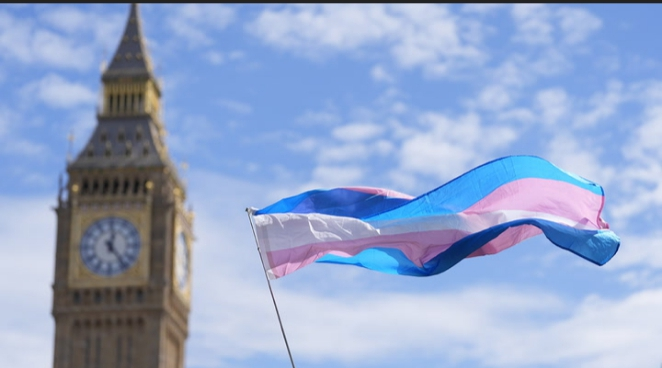
As preparations continue, Labour has pledged to consult further with stakeholders to refine conference arrangements, balancing legal guidance with a commitment to representation for all women.
The issue highlights broader societal challenges in reconciling evolving understandings of gender identity with established legal frameworks, a tension that will shape political discourse for years.
About The Author