Kogi Assembly demands quick rehabilitation of Lokoja Marine Police Station to strengthen inland waterway security and enhance economic development.
The Kogi State House of Assembly has urged the immediate rehabilitation and reconstruction of the Lokoja Marine Police Station, describing its present state as unsafe and unsuitable for effective policing operations.
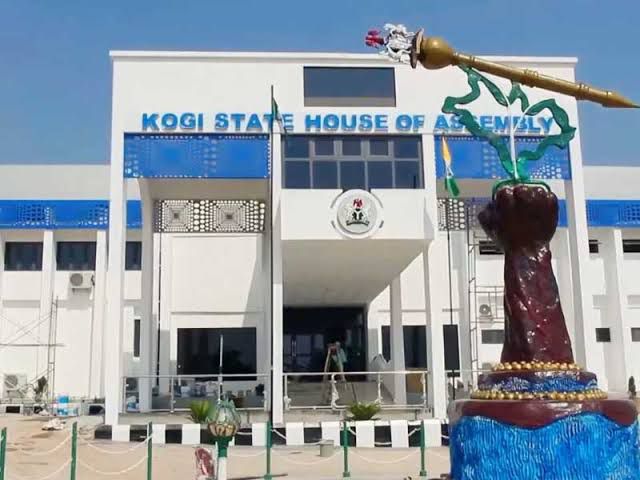
This call was made during plenary after the adoption of a motion titled “The Urgent Need to Rehabilitate the Marine Police Station in Lokoja and Strengthen Security on Inland Waterways,” sponsored by Hon. Bin Ebaiya-Tijani, member representing Lokoja I State Constituency.
While moving the motion, Hon. Ebaiya-Tijani lamented the deteriorating condition of the Lokoja Marine Police Station, which serves as the central base for waterway security operations in the state.
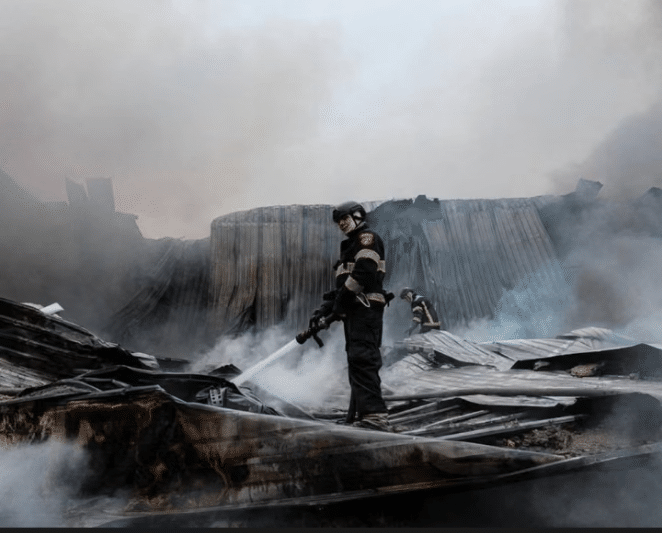
He revealed that the building had remained in a dilapidated condition for more than three years, with major parts of the structure already collapsed.
According to him, the poor state of the facility has severely hampered the ability of officers to discharge their duties effectively.
This has led to unregulated activities on Kogi’s waterways, exposing traders, transporters, and travelers to increasing security threats such as piracy, smuggling, and illegal fishing.
He emphasized that the Lokoja Marine Police Station plays a vital role in protecting lives, property, and trade along Kogi’s inland waterways.
The lack of maintenance, he said, undermines officers’ morale and reduces their operational efficiency, resulting in preventable crimes and economic losses for riverine communities.
“The security and economic progress of Kogi State are closely linked to the operational strength of its marine police,” Ebaiya-Tijani stated. “Rehabilitating the Lokoja Marine Police Station is an urgent necessity, not just a mere request.”
The lawmaker highlighted Kogi’s unique position as the meeting point of the Rivers Niger and Benue, which makes the state a vital hub for inland maritime trade and transportation.
He explained that securing these waterways through a functional Lokoja Marine Police Station would foster trade, attract investment, and promote tourism.
He further noted that improved waterway policing would reduce crime rates, enhance safety for travelers, and encourage the growth of businesses that rely on the rivers for transport and logistics.
“Kogi is strategically located at the heart of Nigeria’s waterway network,” he added. “If the Lokoja Marine Police Station is properly rehabilitated and equipped, it will boost economic activities and reinforce confidence among investors.”
Ebaiya-Tijani warned that leaving the facility in its current state poses severe consequences.
Criminal elements could exploit the vacuum created by the weakened marine police presence, leading to increased smuggling, illegal dredging, and maritime theft. Such activities, he said, not only threaten security but also drain the state’s economy and deter investors.
He also expressed concerns about the welfare of officers working in unsafe environments, stressing that effective policing requires adequate infrastructure, modern equipment, and a supportive working atmosphere.
Following deliberations, the Kogi State House of Assembly unanimously adopted the motion. The lawmakers urged the Nigeria Police Force, the National Inland Waterways Authority (NIWA), and the Nigerian Maritime Administration and Safety Agency (NIMASA) to collaborate with the Kogi State Government to rebuild and modernize the Lokoja Marine Police Station.
They further appealed to the Federal Government to provide adequate funding for the project and supply necessary security equipment such as speed boats, surveillance cameras, and advanced communication tools to strengthen marine patrols and intelligence gathering.
According to the Assembly, this collaboration will help secure lives, curb illegal activities, and ensure better monitoring of the state’s vast water resources.
Lawmakers noted that the rehabilitation of the Lokoja Marine Police Station would boost public confidence and ensure a stronger sense of safety for those traveling or trading along Kogi’s waterways.
They stressed that a well-equipped marine station would enable officers to respond swiftly to emergencies such as boat mishaps, flooding, and smuggling attempts.
They also recommended continuous capacity building and training programs for marine police personnel to help them adapt to modern policing technologies and global best practices in waterway security.
Experts and observers have backed the Assembly’s call, saying the rehabilitation of the Lokoja Marine Police Station would create both direct and indirect economic benefits.
Construction activities would generate local jobs, while improved security would encourage commercial boat operations, tourism, and trade.
They further noted that enhanced policing on waterways could lead to higher revenue generation for the state government through taxes, levies, and regulated transport systems.
Moreover, safer waterways would facilitate agricultural and industrial growth by allowing goods and raw materials to move more efficiently across the region.
The appeal for the rehabilitation of the Lokoja Marine Police Station represents more than a call for infrastructural improvement — it is a demand for enhanced security, better governance, and economic revitalization.
By restoring this critical facility, the government can secure lives, protect commerce, and reinforce Kogi’s position as a strategic link between Nigeria’s northern and southern regions.
If implemented effectively, the project could transform the state’s waterways into a secure, productive, and profitable channel for trade and development, ensuring that the Lokoja Marine Police Station once again becomes a symbol of safety and progress for Kogi State.
More news at ireport247news
About The Author