Kenya has plunged into national mourning after the death of Prime Minister Raila Odinga, veteran political figure whose leadership shaped the nation’s democratic evolution and inspired generations of reform-minded citizens.
The Kenyan leader dies, sending shockwaves through Nairobi and beyond as Kenyans recall decades of political struggle, unity campaigns, and his unrelenting fight for social justice.
State television interrupted normal programming Tuesday night to confirm the death, triggering spontaneous vigils in major cities where mourners gathered to sing hymns and share memories.
President William Ruto led tributes, calling him “a patriot and visionary whose courage, sacrifice, and leadership left an indelible mark on Kenya’s democracy and regional stability.”
The government declared three days of national mourning, lowering flags to half-mast and announcing a state funeral to honor his lifelong dedication to public service.
A family spokesperson confirmed he died peacefully in a Nairobi hospital after a brief illness. “He was surrounded by loved ones, calm, and prayerful,” she said.
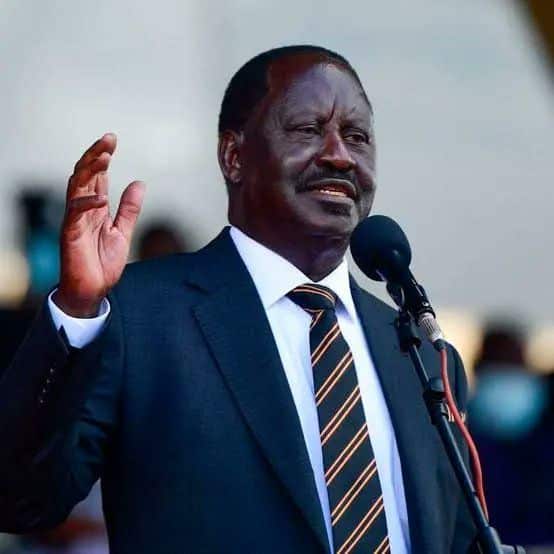
Outside his family home, hundreds of supporters carried flowers and Kenyan flags, chanting unity slogans that once echoed through his political rallies.
Mourners described him as a father of democracy. “He made us believe in change,” said James Mwangi, a Nairobi taxi driver. “Kenya owes him everything.”
The Kenyan leader dies, ending a storied career marked by imprisonment, defiance, and unshaken belief in freedom during Kenya’s most repressive political chapters.
Born shortly after independence, he rose from humble beginnings to become a central figure in the opposition, challenging power and shaping reforms that redefined Kenyan politics.
He was detained multiple times for criticizing authoritarian governments, but each time emerged more determined, turning personal suffering into a collective call for justice.
Long-time political ally Martha Karua said, “His courage inspired us. He never stopped fighting for ordinary Kenyans — for fairness, equality, and government accountability.”
His political philosophy emphasized inclusion. He believed Kenya’s strength lay in diversity, urging citizens to reject tribal politics and pursue unity through dialogue and reconciliation.
The Kenyan leader dies, but his reform agenda remains alive in the 2010 Constitution, which devolved power, strengthened courts, and expanded freedoms he championed for decades.
Civic leaders praised his persistence in pushing for electoral transparency and human rights, often at great personal and political cost to himself and his family.
Religious groups joined the mourning. Archbishop Anthony Muheria said, “Kenya has lost a moral voice — a man who bridged faith and politics with humility and conviction.”
Mosques across the country offered prayers, while churches planned joint services symbolizing the inclusive message he carried throughout his life.
At the Nairobi candlelight vigil, university student Amina Hassan said, “We grew up hearing his speeches. He made politics feel human, not just about power.”
The Kenyan leader dies, leaving questions about the future of the opposition and the stability of Kenya’s political balance amid ongoing economic and social challenges.
Analysts say his departure creates a vacuum in moral leadership — a void unlikely to be filled soon given his unmatched political experience and symbolism.
Political commentator Mutahi Ngunyi noted, “He represented conscience in power. Even when wronged, he sought negotiation over vengeance, which is rare in modern politics.”
The veteran politician’s last public appearance was two months ago at a civic event where he urged youth to “defend democracy and never fear speaking truth to authority.”
His final speech, now widely shared online, called for “a new Kenya built on honesty, inclusion, and faith in the power of citizens to lead change.”
The Kenyan leader dies, but his ideals endure through civic groups and youth movements inspired by his vision for participatory governance and social equality.
In Kisumu, his traditional home region, thousands poured into the streets, waving banners reading “You fought for us” and “Your dream lives on, Baba wa Taifa.”
International leaders sent condolences. South African President Cyril Ramaphosa hailed him as “a champion of African democracy whose influence extended far beyond Kenyan borders.”
The African Union issued a statement recognizing his “unwavering contributions to peace mediation and regional solidarity,” referencing his past involvement in cross-border diplomatic efforts.
Opposition parties temporarily suspended political campaigns, calling for unity. “We mourn not an opponent but a teacher,” said Senate minority leader Stewart Madzayo.
For ordinary Kenyans, the grief feels personal. “He was part of our lives,” said Mary Wanjiku, a shopkeeper in Nakuru. “When he spoke, the whole nation listened.”
The Kenyan leader dies, reminding Kenyans of the fragility of leadership and the value of collective remembrance in preserving national purpose and shared history.
Across the diaspora, Kenyan communities in London, Washington, and Dubai organized memorials, streaming prayers and tributes online under the hashtag #KenyaMourns.
Human rights activists credited him with mentoring a new generation of reformers and empowering grassroots movements that continue to shape public policy debates today.
“His life taught us to resist fear,” said Boniface Mwangi, a youth leader. “He showed that courage can outlive even the most powerful regimes.”
Economists noted that his vision for inclusive growth inspired key policies aimed at reducing inequality and strengthening rural economies long neglected by successive governments.
The Kenyan leader dies, but his influence remains visible in Kenya’s vibrant civil society, strong media culture, and enduring faith in democratic accountability.
Funeral plans are underway, with the main memorial expected at Nairobi’s Nyayo Stadium, where tens of thousands are anticipated to pay their last respects.
Government spokesperson Isaac Mwaura said preparations were ongoing to ensure “a fitting farewell for a man whose voice became the moral heartbeat of a nation.”
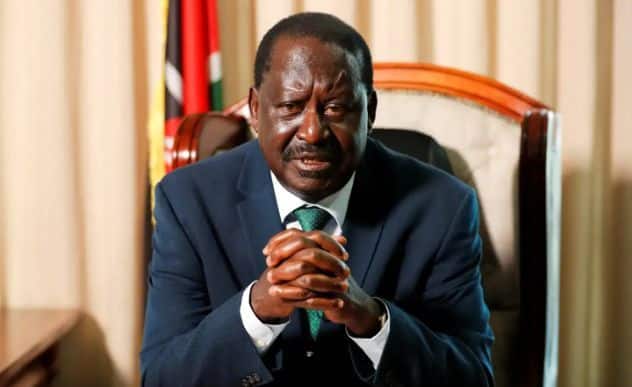
In a joint statement, family members thanked Kenyans for their solidarity. “He lived for this country,” they said. “He wanted peace more than power.”
As darkness settled over Nairobi, church bells rang and car horns blared in a spontaneous tribute — a city remembering its statesman in shared silence and tears.
The Kenyan leader dies, but his story becomes history — a reminder that leadership built on courage, truth, and service never truly ends when the man is gone.