Former Liverpool goalkeeper Caoimhin Kelleher has opened up about the lasting impact of Diogo Jota’s death on Liverpool players. The 27-year-old insists the tragedy continues to affect the team both mentally and personally.
Jota tragically died in a car crash last summer at the age of 28, leaving the club and fans devastated. Kelleher says this loss has made the current season uniquely challenging for those who remain at Anfield.
“For the players, it’s more about them personally and mentally than football this season,” Kelleher told The Independent. “I’ve stayed in touch with friends there, and I can see how tough it has been.”
Kelleher, who has moved on to gain first-team experience elsewhere, explained that being away from Liverpool has given him some distance from the emotional strain. “It’s been a bit easier for me, not being in such close proximity every day,” he said.
He described how strange it feels to hear external opinions on Liverpool’s performances. “People expect the team to move on quickly, but that’s not realistic,” Kelleher added. “This season, football results are secondary to personal and mental recovery.”
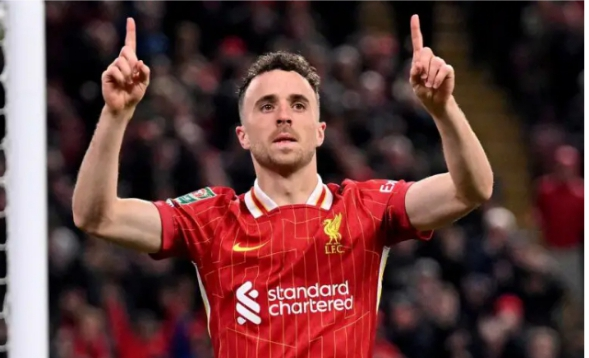
The goalkeeper emphasized that, while football remains a major sport with passionate fans, the human side of the tragedy is often overlooked. “There’s a lot going on behind the scenes that people probably aren’t considering,” he said. “The mental and emotional toll is massive.”
Liverpool players are trying to cope with the loss while maintaining their professional responsibilities. Kelleher highlighted how the players are navigating a season filled with personal challenges that overshadow football results.
“This is a difficult period for everyone involved,” he said. “It’s not just about winning matches or performing on the pitch. Their mental state comes first right now.”
Kelleher praised the club’s support systems but noted that grief and trauma cannot be fully measured or solved through sports structures. “Even with support, these things affect people in different ways,” he said. “The players are trying to manage, but it’s a heavy burden.”
The former goalkeeper also reflected on the wider fan and media reaction. “Fans see the results, but they don’t always see the personal struggle behind them,” Kelleher explained. “It’s not fair to judge the team solely on performances this season.”
Liverpool’s recent matches have shown inconsistencies, which some attribute to squad rotation and tactical issues. Kelleher, however, insists that the personal impact of losing Jota plays a far greater role in current challenges.
“Football is important, but human life and mental health are more important,” he said. “The team is still grieving, and that affects how they perform. It’s a lot to ask anyone to put that aside completely.”
Kelleher’s comments also shed light on the emotional resilience of professional footballers. While they face immense public pressure, grief affects even the strongest athletes. His insight highlights the human side of the sport often ignored in media coverage.
The former Liverpool keeper continues to monitor his former teammates and remains supportive from a distance. “I keep in touch with a lot of players, and I can see how they are dealing with everything,” he said. “It’s not easy, but they are coping as best they can.”
He also expressed admiration for how the club is handling the tragedy. “The way Liverpool has supported each other is commendable,” Kelleher said. “They are a strong group, but this is a wound that doesn’t heal quickly.”
Fans and pundits alike may not fully understand the depth of impact such a loss has on a team. Kelleher’s reflections provide a rare glimpse into the mental and emotional strain affecting Liverpool this season.
“It’s more about personal well-being than football now,” he reiterated. “People need to understand the human side before criticizing performances on the pitch.”
Kelleher also addressed the ongoing public expectations surrounding professional athletes. “There’s an assumption that players can compartmentalize grief and pressure, but that’s unrealistic,” he said. “These are human beings first, footballers second.”
The former keeper’s words are a reminder that tragedies like Jota’s death leave a lasting mark. Liverpool players are balancing personal loss with professional responsibilities, a challenge that cannot be solved with tactics or training alone.
“This season, fans might see results that don’t reflect the emotional reality of the squad,” Kelleher said. “It’s been a tough time mentally, and that will continue for a while.”
Kelleher concluded by emphasizing empathy for players dealing with trauma. “People should consider what the team has gone through,” he said. “It’s not just about points or goals; it’s about personal recovery and mental health.”
Read also: Barcelona reach agreement over Marcus Rashford permanent transfer from Manchester United
Despite the difficulty, Kelleher is confident Liverpool will gradually move forward. “With time and support, they will heal,” he said. “It’s a long process, but the club has the right people to help them through this.”
This candid revelation from Kelleher offers a human perspective on a team often judged solely by results. His comments underline that grief, mental health, and personal loss are crucial factors in understanding Liverpool’s current season.
About The Author