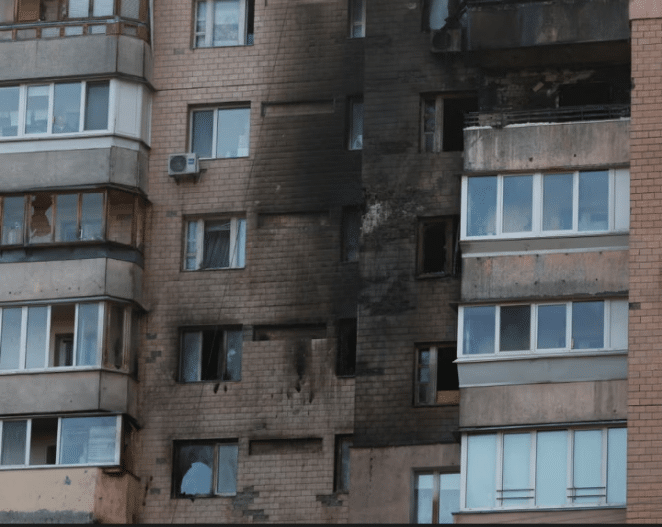
US Vice President and special envoy JD Vance expressed “great optimism” over the Gaza ceasefire deal during his visit to Israel, calling it “durable” despite repeated violations by both sides of the conflict.
Vance’s visit is part of the Trump administration’s strategy to strengthen the fragile Gaza ceasefire deal, amid growing fears that continued hostilities could derail the agreement entirely.
Hamas officials are attending negotiations in Cairo to discuss unresolved issues with Israel, including disarmament and the return of hostages, which have stalled progress in implementing the ceasefire deal.
“We are doing very well. Better than I expected,” Vance told reporters, emphasizing that sustained effort was essential for the deal to survive amid ongoing violence and mistrust.
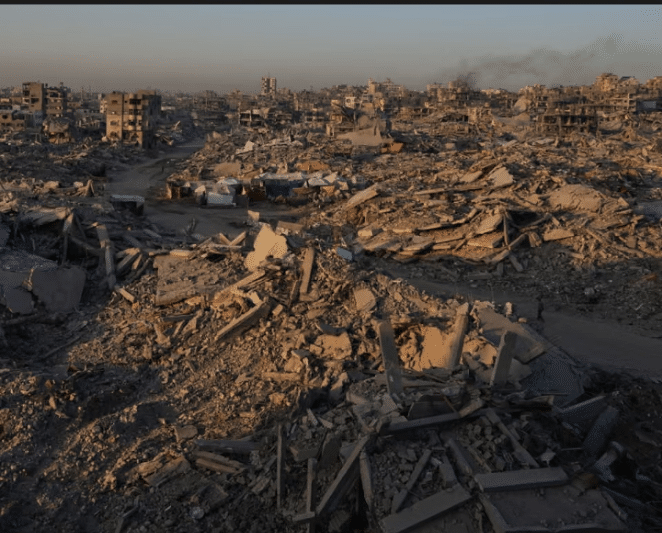
Israeli Prime Minister Netanyahu is scheduled to meet Vance to review the second phase of the 20-point US-drafted plan, which remains incomplete and threatens the ceasefire deal’s long-term viability.
Palestinian media reported over 80 breaches by Israel in just eleven days, illustrating how repeated violations continue to undermine the fragile deal and diminish confidence on both sides.
White House envoy Jared Kushner highlighted the difficulty of transitioning from two years of war to peace, warning that the fragile Gaza ceasefire deal requires multilateral support to avoid collapse.
Hamas has returned some hostages’ bodies, yet 13 remain unaccounted for, raising questions about compliance and the fragile Gaza ceasefire deal’s ability to enforce accountability for all parties involved.
Aid deliveries to Gaza remain far below expectations, with fewer than 1,000 trucks entering the territory, demonstrating that the fragile Gaza ceasefire deal is failing to meet critical humanitarian needs.
The World Food Programme warned that less than a third of daily food requirements are being delivered, showing the fragile Gaza ceasefire deal is insufficient to prevent famine and growing civilian suffering.
Egypt continues to mediate talks between Israel and Hamas, but Gaza’s key crossings remain partially closed, signaling how logistical disputes jeopardize the fragile Gaza ceasefire deal’s effectiveness.
Vance refused to set a hard deadline for Hamas disarmament, stating that while noncompliance would have severe consequences, imposing deadlines might further destabilize the fragile Gaza ceasefire deal.
Israeli military forces began marking the “yellow line” of troop withdrawal, yet confusion persists among Palestinian civilians, underscoring how security ambiguities undermine the fragile Gaza ceasefire deal on the ground.
Despite mutual accusations of ceasefire breaches, both Israel and Hamas publicly reaffirm commitment to the fragile Gaza ceasefire deal, though ongoing hostilities continue to raise doubts about its sustainability.
Qatar criticized Israel for expanding settlements and breaching the ceasefire, reflecting regional skepticism about the fragile Gaza ceasefire deal’s ability to prevent renewed violence and maintain stability.
US and regional officials hope that advancing to the next phase of the plan, including forming a technocratic committee to govern Gaza, will stabilize conditions, yet many obstacles remain unresolved under the fragile Gaza ceasefire deal.
Trump administration envoys stress the need for international involvement to uphold the fragile Gaza ceasefire deal, warning that failure could spark renewed hostilities and weaken diplomatic influence in the Middle East.
Vance’s optimism is tempered by ongoing Israeli airstrikes and militant attacks, showing how fragile the Gaza ceasefire deal remains and the high risk of escalation in densely populated urban areas.
Palestinian officials emphasize that safe return of hostages and unhindered aid are prerequisites for compliance, but Israel’s insistence on disarmament complicates implementation of the fragile Gaza ceasefire deal.
Analysts warn that without enforceable guarantees and immediate humanitarian relief, the fragile Gaza ceasefire deal risks becoming another temporary truce, incapable of stopping recurring cycles of violence.
Vance, Kushner, and other US envoys are intensifying diplomatic pressure, yet the fragile Gaza ceasefire deal faces hurdles from political factions, external pressures, and ongoing military threats on both sides.
Current ceasefire shortcomings underline the urgent need for broader international engagement, transparency, and enforcement mechanisms if the fragile Gaza ceasefire deal is to endure beyond mere promises.
Despite Vance’s repeated expressions of optimism, skepticism grows among Gaza residents, journalists, and diplomats who witness daily breaches, highlighting just how fragile the Gaza ceasefire deal remains in practice.
The fragile Gaza ceasefire deal’s success depends on tangible actions, from disarmament to reconstruction and aid delivery, with failure likely triggering another deadly cycle of hostilities and worsening humanitarian crises.
US diplomatic efforts, including Vance’s Israel visit and Kushner’s mediation, remain central to keeping the fragile Gaza ceasefire deal alive, yet both sides’ unwillingness to fully comply continues to threaten stability.
Hamas disarmament remains a contentious point, with the militant group reluctant to relinquish weapons, demonstrating how this critical element could undermine the Gaza ceasefire if not resolved promptly.
Gaza humanitarian aid remains insufficient, with thousands of civilians lacking food, medical supplies, and essential services, signaling the Gaza ceasefire is failing to address the dire needs of its population.
US diplomatic efforts to coordinate multilateral support and pressure compliance are ongoing, but the fragile Gaza ceasefire deal continues to face structural challenges, including disagreements over governance, reconstruction, and border control.
Israeli insistence on strict disarmament prior to reconstruction has delayed rebuilding efforts, further highlighting how political disputes threaten the fragile Gaza ceasefire deal’s practical outcomes for civilians in Gaza.
Even with high-level engagement, international observers caution that without enforceable monitoring and accountability, the fragile Gaza ceasefire deal risks being another fleeting truce, unable to prevent further deaths or displacement.
JD Vance Israel visit is part of a wider US diplomatic effort to reinforce the fragile Gaza ceasefire deal, yet repeated hostilities and slow aid distribution continue to undermine confidence in the truce.
The fragile Gaza ceasefire ability to maintain calm depends on both parties taking concrete steps, with inaction or delays threatening renewed conflict and amplifying humanitarian crises across the Gaza Strip.
US diplomatic efforts, including Kushner’s regional coordination, seek to pressure both Israel and Hamas to comply, but enforcement remains limited, leaving the fragile Gaza ceasefire deal vulnerable to violations and political manipulation.
Ultimately, the ceasefire deal represents a precarious attempt to halt hostilities, yet ongoing violations, stalled humanitarian aid, and lack of accountability suggest it may only provide temporary respite without lasting security.

JD Vance Israel visit underscores the Trump administration’s commitment to stabilizing the region, yet the fragile ceasefire deal faces immense pressure from unresolved hostages, disarmament disputes, and persistent attacks.
Without accelerated aid delivery and diplomatic guarantees, the fragile Gaza deal risks failing, with catastrophic consequences for civilians and potentially reigniting broader regional instability.
The Gaza ceasefire deal remains a delicate balance between diplomacy, military realities, and humanitarian needs, with its success contingent on sustained commitment and tangible compliance from both Israel and Hamas.
About The Author