The Indian government has introduced a new censorship mechanism that allows district-level officials to demand the removal of online content deemed detrimental to law and order.
This move has sparked concerns about the expansion of censorship powers and the potential for abuse. The new platform, known as Sahyog, enables officials to issue takedown notices to social media companies, which are required to comply to avoid losing their “intermediary immunity” status.
The introduction of Sahyog has raised concerns about the government’s intentions and the potential for censorship.
Critics argue that the platform allows the government to circumvent safeguards established by the Supreme Court for Section 69a of the Information Technology Act, 2000. Section 69a authorizes the government to block public access to online information on grounds of national security, public order, or similar reasons.
The use of Sahyog has already led to an increase in takedown demands, with various government agencies submitting requests for content removal.
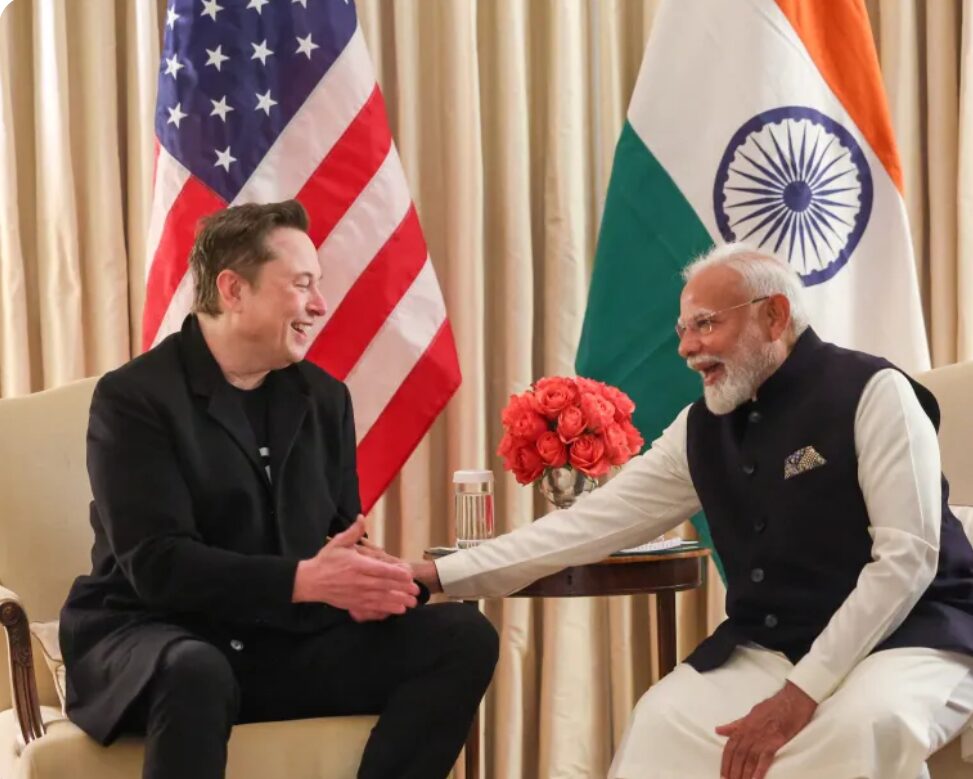
The platform’s introduction has also sparked a lawsuit between X, owned by Elon Musk, and the Indian government. X has challenged the constitutionality of Sahyog, arguing that it is a “censorship portal” that enables the government to restrict freedom of speech.
The Indian government’s expansion of censorship powers has significant implications for online freedom and expression.
The move is part of a broader trend of increasing censorship in India, where the government has been accused of cracking down on public speech and dissenting voices.
The use of Sahyog and other censorship mechanisms has raised concerns about the government’s commitment to protecting freedom of expression and promoting a vibrant online discourse.
In recent years, India has seen a significant increase in takedown demands, with the government issuing orders under Section 69a of the IT Act.
The introduction of Sahyog has further expanded the government’s censorship powers, allowing lower-level officials to demand the removal of online content. This move has sparked concerns about the potential for abuse and the impact on online freedom and expression.
The Indian government’s expansion of censorship powers through the Sahyog platform has sparked intense debate and concern among digital rights activists, lawyers, and experts.
Mishi Choudhary, a technology lawyer and founder of the Software Freedom Law Center, argues that the platform allows the government to circumvent safeguards established by the Supreme Court for Section 69A of the Information Technology Act, 2000.
This enables countless executive officers and police to restrict speech without checks and balances, undermining freedom of expression.
Key Concerns:
- Unbridled Discretion: Appointing police officers to manage the platform results in unbridled discretion and opens the door to unchecked censorship.
- Parallel Censorship Mechanism: The use of Section 79(3)(b) creates a parallel censorship framework without legislative or judicial sanction, bypassing established safeguards.
- Threat to Free Expression: The current regime allows arbitrary takedowns of critical voices, satire, or dissent under the broad label of “unlawful acts,” posing a significant threat to free speech.
Elon Musk’s X Corp has challenged the government’s use of Sahyog in court, arguing that it is a “censorship portal” that enables the government to restrict freedom of speech. The lawsuit contends that Section 79(3)(b) is being misused to create a parallel censorship mechanism without the checks and balances mandated by Section 69A.
Impact on Digital Rights:
- Increased Censorship: The use of Sahyog has led to a significant increase in takedown demands, with various government agencies submitting requests for content removal.
- Lack of Transparency: The platform’s operations lack transparency, and orders are secretive and inaccessible to the public or affected users.
- Chilling Effect: The expansion of censorship powers has a chilling effect on online discourse, stifling dissenting voices and critical speech.
The outcome of the lawsuit between X Corp and the Indian government will have significant implications for digital governance in India, particularly regarding the boundaries of executive power and protection of free speech.