

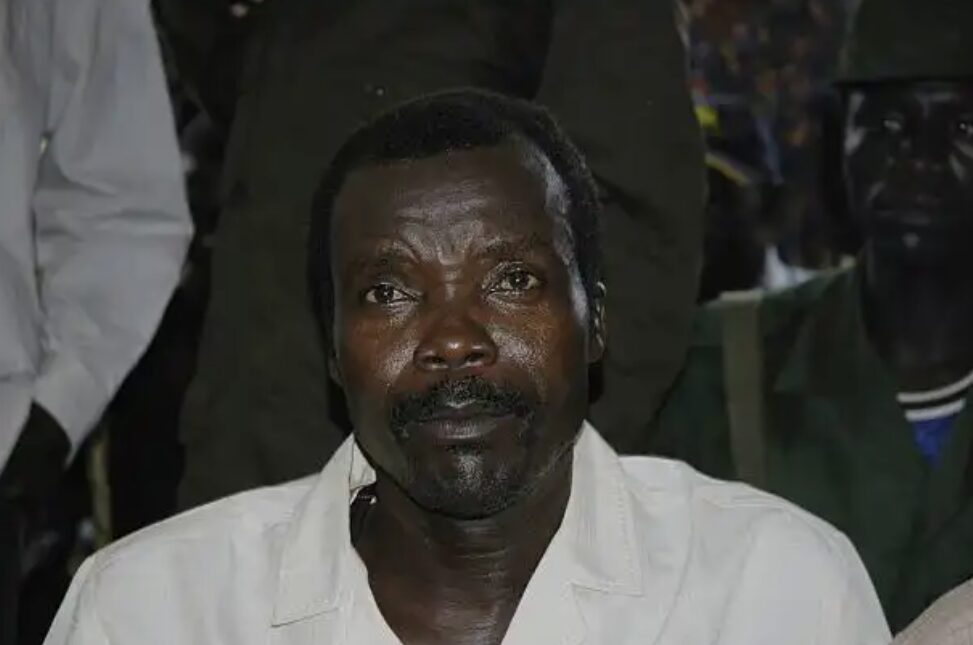

The International Criminal Court (ICC) has began a three-day confirmation of charges hearing against Joseph Kony, the notorious and elusive leader of the Lord’s Resistance Army (LRA), twenty years after his rebel group gained international notoriety for atrocities in northern Uganda.
The hearing, held in absentia, marks a significant milestone in the court’s efforts to hold Kony accountable for alleged war crimes and crimes against humanity perpetrated by him and his cronies.
Kony faces 39 counts of war crimes and crimes against humanity, including murder, rape, enslavement, and forced recruitment of child soldiers, committed between 2002 and 2005.
Prosecutors allege that Kony used violence and torture to maintain control over his followers, and that the group’s activities resulted in the deaths of at least 100,000 people and the displacement of approximately 2.5 million in Africa.
Michael Scharf, an international law professor at Case Western Reserve University, notes that “everything that happens at the ICC is precedent for the next case.”
This hearing sets a crucial precedent for future cases where suspects are difficult to apprehend, such as Israeli Prime Minister Benjamin Netanyahu and Russian President Vladimir Putin.
Survivors of the LRA’s attacks, like Everlyn Ayo, plan to follow the ICC proceedings closely. Ayo recounts the traumatic experience of her school being attacked by LRA fighters when she was just five years old: “The rebels raided the school, killed and cooked our teachers in big drums and we were forced to eat their remains… Seeing all that blood as a child traumatised my eyes.”
The ICC’s Outreach Office in Uganda has organized community screenings of the hearings in northern Uganda, where Kony’s atrocities were most severe.
This effort aims to ensure that victims and affected communities can follow the proceedings and seek justice.
The outcome of the hearing will determine whether the charges against Kony will be confirmed, potentially paving the way for a trial if he is ever apprehended.
However, Kony’s defense team has described the process as an “enormous expense of time, money and effort for no benefit at all.” Despite this, prosecutors argue that holding the hearing will expedite a potential trial and bring some sense of justice to the victims.
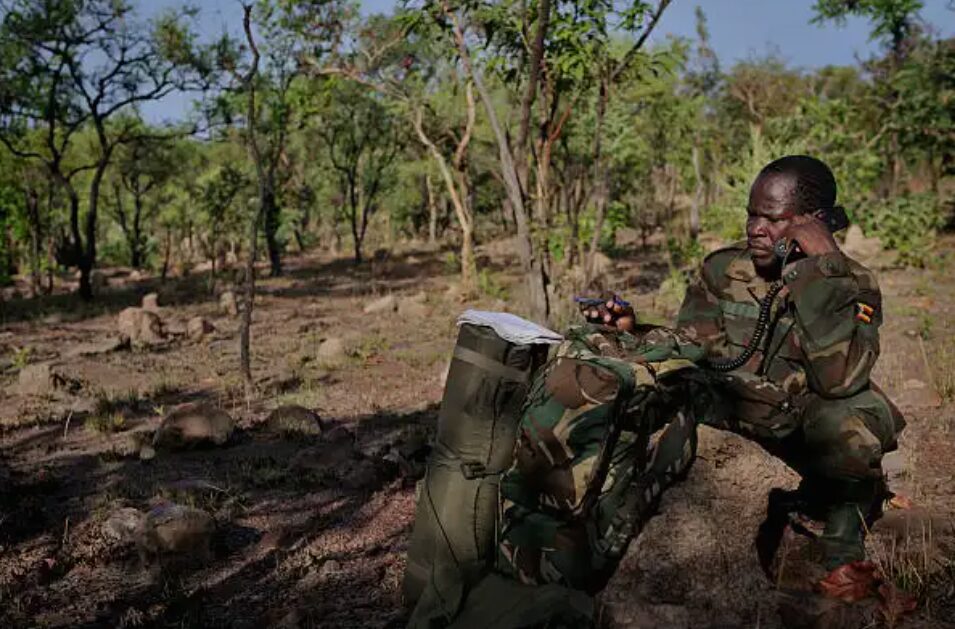
The ICC’s pursuit of Kony and other high-profile cases has faced pressure from powerful nations, including the United States. The US has imposed sanctions on ICC members, citing concerns over alleged bias against Israel.
Nevertheless, the ICC remains committed to prosecuting war crimes and crimes against humanity, upholding the principles of justice and accountability.
The ICC’s confirmation of charges hearing against Joseph Kony marks a crucial step in holding him accountable for alleged war crimes and crimes against humanity.
This hearing sets a precedent for future cases involving suspects who are difficult to apprehend, such as Israeli Prime Minister Benjamin Netanyahu and Russian President Vladimir Putin. Michael Scharf, an international law professor, notes that “everything that happens at the ICC is precedent for the next case”.
Survivors of the LRA’s attacks, like Everlyn Ayo, plan to follow the ICC proceedings closely. Ayo’s traumatic experience of her school being attacked by LRA fighters has left a lasting impact on her life.
The ICC’s Outreach Office in Uganda has organized community screenings of the hearings in northern Uganda, where Kony’s atrocities were most severe, to ensure that victims and affected communities can follow the proceedings and seek justice.
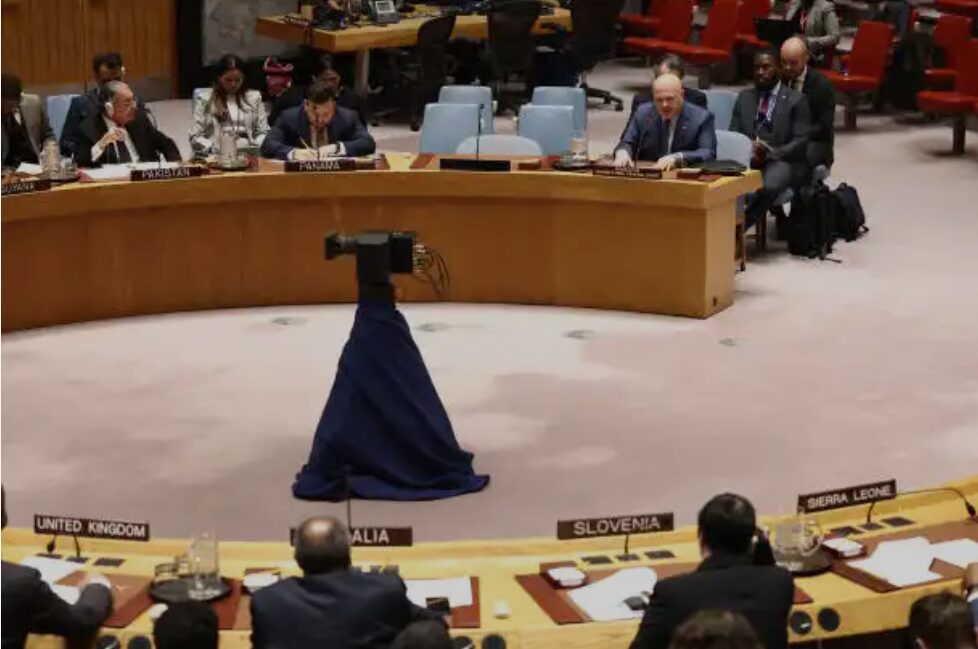
Kony’s defense team has described the process as an “enormous expense of time, money and effort for no benefit at all.” Despite this, prosecutors argue that holding the hearing will expedite a potential trial and bring some sense of justice to the victims.
The ICC’s pursuit of Kony and other high-profile cases has faced pressure from powerful nations, including the United States, which has imposed sanctions on ICC members citing concerns over alleged bias against Israel.
The ICC remains committed to prosecuting war crimes and crimes against humanity, upholding the principles of justice and accountability.
The court’s efforts to hold Kony accountable for his alleged crimes demonstrate its dedication to ensuring that those responsible for atrocities are brought to justice, regardless of their position or influence.
Kony’s defense team argues that the process is futile without him being present. They claim that the hearing will not lead to a trial or justice for the victims, as Kony remains at large.
The ICC views the hearing as a crucial step in holding Kony accountable for his alleged crimes. The court’s prosecutors argue that the hearing will expedite a potential trial and bring some sense of justice to the victims.
Victims and affected communities, like Everlyn Ayo, see the hearing as an opportunity for justice and accountability.
They hope that the ICC’s efforts will lead to Kony’s apprehension and trial, providing closure and reparations for the harm they suffered.
About The Author
