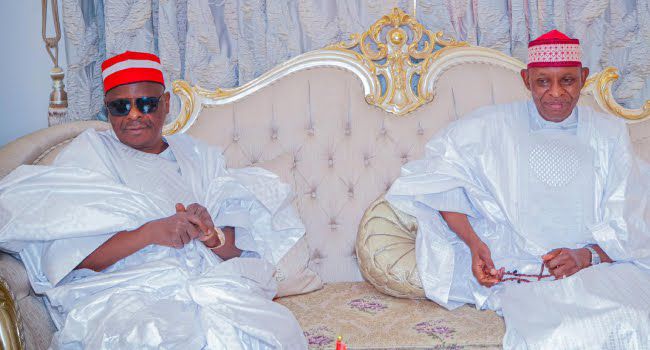
Nigeria seeks UN partnership for $10bn humanitarian financing to tackle internal displacement, rebuild livelihoods, and promote long-term national recovery and stability.
The Federal Government of Nigeria has called for greater collaboration with the United Nations (UN) to mobilize long-term humanitarian financing that will address the nation’s worsening internal displacement crisis.
The government said the partnership aims to rebuild lives, strengthen resilience, and promote sustainable development among affected communities across the country.
Minister of Budget and Economic Planning, Senator Abubakar Atiku Bagudu, made this appeal on Wednesday in Abuja during a high-level Roundtable on Humanitarian Development and Peacebuilding Approaches to Durable Solutions for Internally Displaced Persons (IDPs).
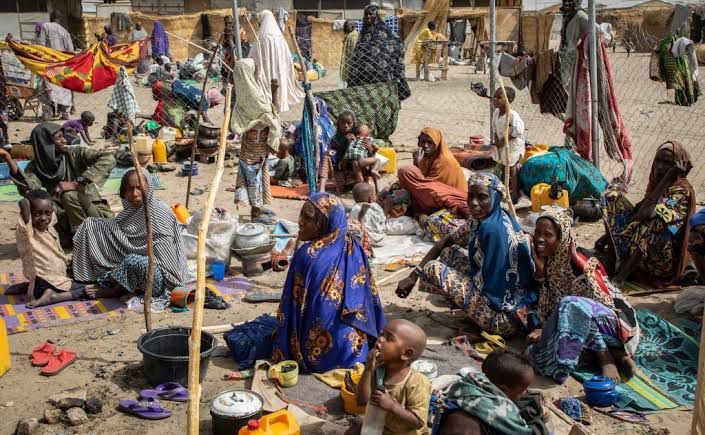
The meeting, according to the Ministry’s Director of Information, Julie Osagie Jacobs, brought together stakeholders from government, civil society, and development agencies to find lasting solutions to Nigeria’s displacement challenge.
FG Targets $10bn Credit Facility for Humanitarian Needs
Senator Bagudu revealed that Nigeria is seeking access to $10 billion in long-term credit at a 4 percent interest rate to effectively respond to its humanitarian and development needs.
He explained that such humanitarian financing would be used to empower millions of internally displaced Nigerians through wealth creation, skills acquisition, and social reintegration programmes.
“If we have access to $10 billion at 4%, we can deploy it to address the humanitarian challenges confronting our country. Such funding will not only ease the burden of displacement but also create wealth for our people,” Bagudu said.
He emphasized that the proposed funding would help rebuild livelihoods in communities affected by conflict, natural disasters, and insecurity.
The minister added that addressing internal displacement requires long-term economic recovery and inclusion, not just temporary relief.
Innovative Financing to Replace Declining Foreign Aid
The Minister noted that traditional grants and donor aid have become unsustainable due to shrinking global aid flows.
He called for more innovative humanitarian financing mechanisms through capital markets, development bonds, and blended finance solutions to ensure long-term resilience.
“The grants we used to rely on are decreasing. We must now raise long-term funds that can yield sustainable solutions,” Bagudu said.
He further explained that Nigeria’s economic reforms under President Bola Tinubu are designed to strengthen fiscal responsibility, curb waste, and improve efficiency in public expenditure.
The reforms, he said, also include empowering subnational governments through increased allocations to fund local infrastructure and social investments.
Renewed Hope and SOLID Initiatives for Displaced Persons
Bagudu highlighted two key government programmes — the Renewed Hope Ward-Based Development Plan and the Solutions for Internally Displaced and Host Communities (SOLID) Initiative — as strategic frameworks for addressing internal displacement.
He explained that these programmes will identify and expand economic opportunities across Nigeria’s 8,809 wards, particularly for displaced persons and host communities.
The goal, he said, is to promote self-reliance, job creation, and community rebuilding at the grassroots level.
“The Renewed Hope and SOLID initiatives will enable communities to take ownership of their development. With proper humanitarian financing, we can turn displacement into an opportunity for inclusive growth,” the minister stated.
Sununu: Shift from Relief to Resilience
The Minister of State for Humanitarian Affairs and Poverty Reduction, Dr. Yusuf Sununu, stressed the importance of adopting durable solutions that go beyond emergency response.
He said the government’s strategy must focus on preventing new displacements, promoting peacebuilding, and ensuring sustainable recovery.
“Durable solutions must evolve from response to prevention, from donor dependency to national leadership, and from fragmented action to whole-of-government accountability,” Sununu stated.
Dr. Sununu expressed concern about the declining external funding for humanitarian programmes, warning that it could affect the continuity of ongoing interventions.
Nonetheless, he praised the Federal Government’s collaboration with development partners, which he said will help turn Nigeria’s humanitarian challenges into opportunities for long-term stability and growth.
UN Applauds Nigeria’s Commitment to IDP Solutions
The United Nations Resident and Humanitarian Coordinator in Nigeria, Mr. Mohammed Fall, commended the Federal Government for its proactive efforts in addressing internal displacement and related humanitarian challenges, particularly in Borno, Yobe, Adamawa, and parts of the North Central region.
“The UN remains a steadfast partner to Nigeria in rebuilding lives and fostering peace. Restoring the dignity of internally displaced persons is vital to achieving stability and sustainable development,” Fall said.
He reaffirmed the UN’s support for Nigeria’s long-term recovery agenda and pledged continued assistance in mobilizing humanitarian financing to strengthen national systems for reintegration, livelihood restoration, and social protection.
Stakeholders Chart Path for Durable Peace and Recovery
The roundtable was attended by representatives from the National Commission for Refugees, Migrants and Internally Displaced Persons (NCFRMI), the Institute for Peace and Conflict Resolution (IPCR), and the Office for Strategic Preparedness and Resilience (OSPRE), among others.
Participants emphasized the need for improved coordination, efficient resource mobilization, and transparent accountability in managing humanitarian funds. They also agreed that durable solutions to internal displacement require close collaboration between government institutions, international partners, and local communities.
“With structured humanitarian financing, we can shift from reactive emergency relief to proactive, community-driven recovery,” one participant observed.
Nigeria’s renewed push for humanitarian financing marks a strategic transition from short-term relief to sustainable recovery for victims of internal displacement.
By working closely with the United Nations and other partners, the Federal Government aims to mobilize resources that will empower displaced populations, promote peace, and stimulate long-term national growth.
If successfully implemented, the proposed $10 billion initiative could redefine Nigeria’s humanitarian response framework—transforming crisis management into a development-driven model that restores hope, stability, and dignity for millions of citizens.
More news at ireport247news
About The Author