


Angola, Africa’s third-largest oil-producing nation, has been rocked by deadly protests and widespread unrest following the government’s decision to cut fuel subsidies and increase the price of diesel by one-third. The move has sparked outrage among citizens, who are already struggling with poverty and hunger.
According to the government, at least 22 people died in clashes between police and protesters, and 197 others were injured. More than 1,200 people were arrested during the protests, which were triggered by a three-day strike by minibus taxi associations. The strike was called in response to the government’s decision to reduce fuel subsidies, which had kept fuel prices artificially low.
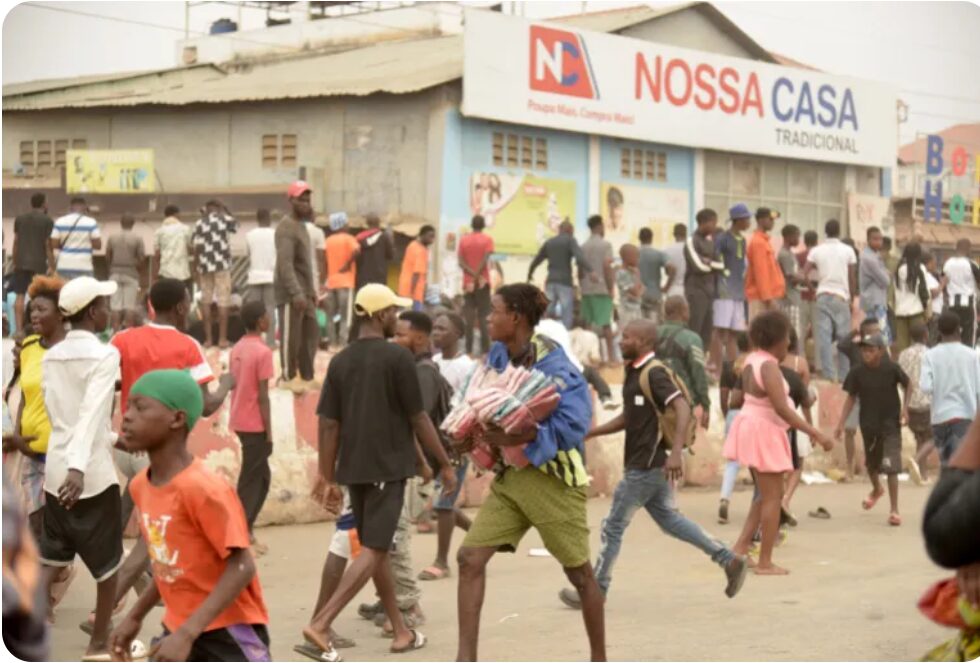
Julio Candero, director of the Luanda-based rights group Mosaiko, believes the protests are a symptom of deeper issues. “Ordinary Angolans are not benefiting from the country’s natural resources wealth because of high levels of corruption,” Candero said. “And, as you see in all rich natural resources countries in Africa, particularly where this exploitation is happening, the people live in misery.”
Candero blames decades of mismanagement by the ruling People’s Movement for the Liberation of Angola (MPLA) party for the current state of affairs. He believes the government should prioritize cutting spending on superfluous goods and services, extravagant perks for high public officeholders, and stopping debt accumulation to buy luxury cars and fund lavish trips.
Angola’s government says fiscal restraint is necessary due to the country’s heavy reliance on oil, which makes up about 60% of government revenue and 95% of exports. However, the country only produces about 30% of its domestic fuel consumption demand from its lone oil refinery, which dates back to the colonial era.

The International Monetary Fund (IMF) has been pressuring Angola to tighten its budget, and the government claims the subsidy cuts are necessary to reduce debt and promote economic stability. Economic Coordination Minister Jose de Lima Massano said last year’s fuel subsidies of about $3 billion equaled the budget for 1,400 infrastructure and development projects, 500 of which had to be suspended due to fiscal constraints.
The United Nations has urged the Angolan government to conduct prompt, thorough, and independent investigations into the deaths and alleged human rights abuses during the protests. “Unverified footage suggests that security forces used live ammunition and tear gas to disperse protesters, which points to an unnecessary and disproportionate use of force,” said Thameen Al-Kheetan, spokesperson for the Office of the UN High Commissioner for Human Rights.
Human Rights Watch has also accused the police of using excessive force, including firing tear gas and rubber bullets at protesters. Ashwanee Budoo-Scholtz, deputy Africa director at Human Rights Watch, said the use of force was part of a broader trend of security force problems in Angola.
As the situation in Angola continues to unfold, it remains to be seen how the government will respond to the growing unrest. Candero believes more protests are likely, given the rising costs of living and the lack of economic opportunities. “For others, especially young people from poor suburbs, the fight will continue until the improvement of their social conditions, especially hunger reduction,” he said. “These were only symptoms. Until we deal with the root causes, these demonstrations will never stop. This is no longer a taxi strike. It is the cry of a hungry people for a piece of bread and for some dignity.”
About The Author
