Fourteen Palestinians die in Gaza amid Storm Byron as torrential rain, fierce winds, and collapsing shelters strike families already devastated by war and prolonged displacement.
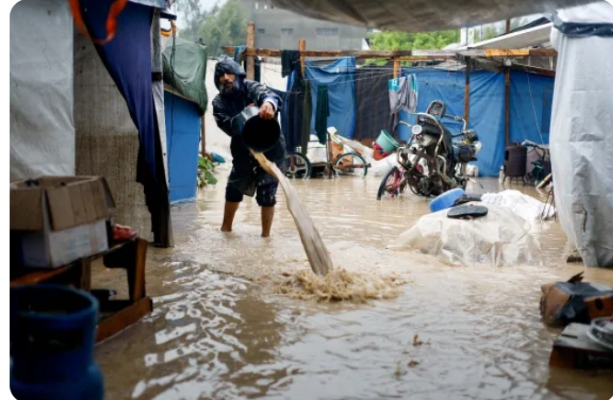
Storm Byron battered Gaza overnight, exposing fragile living conditions where displaced civilians shelter in damaged homes, tents, and makeshift structures unable to withstand severe winter weather.
Local authorities confirmed that multiple fatalities occurred when weakened buildings collapsed, crushing families who sought refuge from earlier bombardments and had nowhere safer to relocate.
In northern Gaza, a house sheltering displaced residents collapsed during the storm, killing several people instantly and trapping others beneath heavy concrete slabs.
Rescue teams worked through flooding and darkness, struggling with limited equipment, fuel shortages, and damaged roads hampering access to affected neighbourhoods.
Elsewhere in Gaza City, strong winds toppled walls onto tented camps, killing residents as rainwater flooded sleeping areas during the early morning hours.
Children were among the dead, highlighting the disproportionate toll the crisis continues to exact on Gaza’s youngest and most vulnerable population.
Medical workers reported a rise in deaths linked to hypothermia, exposure, and untreated injuries as freezing temperatures combined with relentless rainfall.
Hospitals, already overstretched, received patients suffering from cold-related complications, respiratory distress, and trauma caused by collapsing structures.
Doctors warned that infants face particular danger, as tents and roofless buildings offer little protection against cold winds and pooling rainwater.
In southern Gaza, families described waking to find their shelters submerged, blankets soaked, and personal belongings washed away by floodwaters.
Parents said they struggled to keep children warm overnight, using scraps of plastic and clothing to block wind-driven rain.
Storm Byron intensified the humanitarian emergency created by months of destruction, leaving much of Gaza’s housing stock structurally unsound and unsafe.
Buildings damaged by air strikes now pose deadly risks, as heavy rain weakens foundations and accelerates collapses without warning.
Civil defence officials said dozens of previously damaged homes crumbled during the storm, underscoring the lingering dangers of unexploded destruction.
Emergency hotlines received thousands of distress calls from residents reporting flooding, collapsing walls, and trapped family members.
Rescue crews prioritised areas with high concentrations of displaced people, including camps erected near the coastline and in low-lying neighbourhoods.
Along Gaza’s shoreline, erosion and rising waves undermined tents pitched dangerously close to the sea, forcing families to flee again.
Repeated displacement has exhausted residents physically and emotionally, leaving many unsure where to seek safety as storms intensify.
Aid agencies warned that severe weather threatens hundreds of thousands living in temporary shelters across the territory.
International organisations stressed that winterisation supplies remain critically insufficient, with tarpaulins, heaters, and waterproof materials in short supply.
Israeli restrictions on aid entry continue to limit the flow of essential shelter materials, complicating efforts to protect civilians from the elements.
Local officials appealed for urgent international pressure to allow unrestricted humanitarian access before further storms strike.
For many families, Storm Byron felt like another phase of suffering layered onto years of conflict and deprivation.
Residents described the storm as relentless, with pounding rain echoing through broken walls and water seeping through cracked ceilings.
Some families sought refuge in schools or public buildings, only to find them overcrowded and lacking basic heating.
Humanitarian workers cautioned that overcrowding increases health risks, including the spread of infectious diseases during winter months.
Children forced to sleep on damp ground face heightened risks of pneumonia and other respiratory illnesses.
Mental health specialists warned that repeated trauma, displacement, and loss deepen psychological scars among Gaza’s population.
Parents recounted the fear of watching walls shake, uncertain whether shelters would hold through the night.
Storm Byron exposed stark inequalities between those with access to reinforced shelters and the majority left unprotected.
In refugee camps, narrow pathways turned into streams, carrying debris and sewage through living areas.
Clean drinking water became harder to access as flooding contaminated wells and storage containers.
Sanitation services struggled to operate, increasing concerns about waterborne diseases spreading rapidly.
Electricity shortages compounded the crisis, leaving many families without light or heat during the coldest hours.
Local councils attempted to clear drainage channels, but heavy rain overwhelmed already damaged infrastructure.
International observers described the situation as a convergence of natural disaster and man-made humanitarian catastrophe.
They noted that extreme weather events have far deadlier consequences where civilian infrastructure has been systematically degraded.
Relief agencies emphasised that protection from weather is a fundamental humanitarian need, not a luxury.
Calls grew louder for immediate delivery of tents designed for winter conditions and materials to repair damaged homes.
Without intervention, aid workers warned, further storms could claim more lives among displaced civilians.
For grieving families, mourning is compounded by uncertainty about survival in the days ahead.

Funerals took place amid rain-soaked streets, as communities struggled to honour the dead while protecting the living.
Survivors expressed anger that weather, not weapons, now claims lives after the fighting has paused.
Many said the storm revealed how fragile ceasefires are when humanitarian needs remain unmet.
As Gaza braces for further winter weather, residents fear Storm Byron may not be the last deadly test.
Fourteen Palestinians die in Gaza amid Storm Byron, a stark reminder that displacement, destruction, and denied aid turn storms into killers.
Read also: Tsunami warning lifted after Japan earthquake sparks fresh safety concerns
About The Author