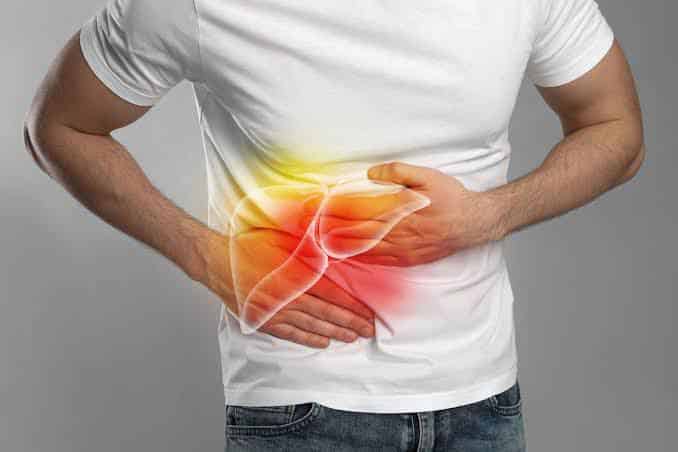
Discover the top foods that damage the liver and how they silently harm your health. Learn which everyday meals to avoid and what to eat instead to keep your liver strong and healthy.
The liver is one of the most important organs in the body. It filters toxins, processes nutrients, stores vitamins, and converts food into energy.

However, when we consume unhealthy meals over time, the liver becomes overworked and can no longer perform its functions effectively.
Many people do not realize that some of their favorite foods are actually foods that damage the liver. These foods, when eaten frequently, can trigger fat buildup, inflammation, and even permanent scarring in liver tissues.
Your daily diet plays a crucial role in determining how healthy your liver remains. While genetics and medical conditions can contribute to liver problems, poor food choices are often the leading cause.
Understanding which foods harm your liver allows you to make better dietary decisions and protect this vital organ before serious diseases like fatty liver, hepatitis, or cirrhosis develop.
Fried and fatty foods
Fried foods are among the most dangerous foods that damage the liver. Meals such as French fries, fried chicken, and doughnuts are high in saturated and trans fats.
These fats increase cholesterol levels and lead to fat accumulation inside liver cells, causing non-alcoholic fatty liver disease (NAFLD). When this condition is left unchecked, it can progress into inflammation and liver fibrosis.

The danger with fatty and fried foods lies in their hidden oils and repeated use of cooking oil at high temperatures. Over time, these generate harmful compounds that strain the liver.
Healthy tip: Switch from deep frying to baking, grilling, or air frying. Replace butter or margarine with olive or avocado oil in moderation, and add more steamed vegetables to your plate.
Processed meats
Processed meats like bacon, sausages, hot dogs, and ham are loaded with salt, nitrates, and saturated fats—all of which burden the liver.
These additives can trigger oxidative stress, inflammation, and fat storage in liver cells. Regular consumption of processed meat has been linked to a higher risk of liver disease and even liver cancer.
Better option: Choose lean meats such as grilled chicken, turkey, or fish. You can also substitute meat with plant-based protein sources like beans, lentils, and tofu.
Sugary foods and drinks
Sugar might seem harmless, but it is one of the top foods that damage the liver. When you consume too much sugar, the liver converts the excess into fat.
Over time, this causes fat buildup and leads to fatty liver disease. Fructose—the type of sugar found in soda, candy, and sweetened snacks—is especially harmful because the liver metabolizes it directly into fat.
Be mindful: Even so-called “healthy” fruit juices and flavored yogurts can contain high levels of sugar. Read labels carefully, and limit sweet beverages. Instead, drink water, herbal tea, or fruit-infused water.
Alcohol consumption
Alcohol is a well-known cause of liver damage. When consumed in excess, it interferes with the liver’s ability to process fats and toxins.
Over time, this can lead to alcoholic fatty liver disease, hepatitis, and cirrhosis—a serious condition where scar tissue replaces healthy liver tissue.
Health advice: To protect your liver, limit alcohol intake to minimal levels. For some individuals, especially those with a history of liver issues, it’s best to avoid alcohol completely. Your liver will begin to repair itself once alcohol consumption stops.
White bread, pasta, and rice
Refined carbohydrates, including white bread, white rice, and pasta, are stripped of their fiber and nutrients. These refined carbs cause blood sugar spikes, which increase fat production in the liver. People who regularly consume these foods are more likely to develop insulin resistance, a major factor in fatty liver disease.
Healthier alternative: Choose whole-grain options like brown rice, quinoa, oats, and whole-wheat pasta. These help stabilize blood sugar levels and support liver function.
Salty foods
Too much salt leads to water retention, high blood pressure, and liver strain. Processed and packaged foods such as soups, canned vegetables, chips, and sauces often contain large amounts of sodium without us realizing it.
Smart swap: Aim to consume less than 2,300 mg of sodium per day. Flavor your food naturally using herbs, lemon juice, or garlic instead of table salt.
Fast food
Fast food meals—burgers, pizza, fries, and sugary desserts—combine the worst ingredients for liver health: high fat, high sugar, and refined carbohydrates. Studies have shown that even four weeks of frequent fast-food intake can increase liver fat levels noticeably.
The danger isn’t just in the calories but in the combination of additives, trans fats, and sodium that force the liver to work overtime.
Better habit: Cook your meals at home whenever possible. This allows you to control portion sizes and ingredients while avoiding unhealthy fats.
Artificial sweeteners and additives
While marketed as diet-friendly, artificial sweeteners such as aspartame, sucralose, and saccharin may disrupt liver metabolism and gut health. Some studies suggest these sweeteners alter the way the liver processes fat and toxins, contributing to long-term stress on the organ.
Natural alternatives: Use stevia, raw honey, or pure maple syrup in moderation. Reducing sweet cravings altogether is even better for your liver.
Packaged snacks and baked goods
Packaged snacks like cookies, crackers, and pastries are often made with hydrogenated oils and artificial preservatives that cause inflammation and liver stress. The trans fats found in these items raise bad cholesterol (LDL) and lower good cholesterol (HDL), both of which negatively affect liver function.
Better snack idea: Choose natural snacks such as unsalted nuts, fresh fruit, yogurt, or homemade granola bars without additives.
Excessive vitamin A from supplements
Vitamin A supports vision, immunity, and skin health, but too much from supplements can harm the liver. Unlike vitamin A from fruits and vegetables (in the form of beta-carotene), synthetic vitamin A is stored in the liver and can build up to toxic levels over time.
Advice: Take supplements only under a doctor’s supervision and focus on getting your vitamins through a balanced diet.
Path toward a healthier liver
Your liver is incredibly resilient—it can regenerate itself and recover from damage if given the right support. Reducing foods that damage the liver and adopting a cleaner diet can make a noticeable difference in how you feel.
Include liver-friendly foods in your daily routine, such as:
• Leafy greens: Spinach, kale, and arugula help neutralize toxins.
• Garlic and onions: Contain sulfur compounds that activate liver enzymes.
• Turmeric: Its active ingredient, curcumin, helps reduce inflammation.
• Green tea: Rich in antioxidants that protect liver cells.
• Berries: Packed with polyphenols that prevent fat accumulation.
• Lemon water: Stimulates digestion and assists in detoxification.
In addition to better food choices, maintain a healthy lifestyle. Engage in regular physical activity, manage your weight, and drink enough water daily to help the liver flush out toxins. Avoid unnecessary medications, and never mix alcohol with painkillers or supplements without medical advice.
The liver may be a silent worker, but its importance is unmatched. When it struggles, your entire body feels the effect—fatigue, skin problems, poor digestion, and hormonal imbalances often trace back to liver stress. By cutting out foods that damage the liver and embracing natural, nutrient-rich meals, you allow your liver to recover and perform at its best.
Your health is directly connected to how well your liver functions. Protect it today with smart eating choices, and your body will thank you with vitality, clarity, and longevity.
More news at ireport247news