

In a bold move to stimulate economic growth through culture and innovation, the Federal Government of Nigeria has launched the Creative Economy Development Fund (CEDF), a new financing initiative aimed at supporting creatives, entrepreneurs, and organizations operating within Nigeria’s burgeoning creative sector.
The scheme, introduced by the Federal Ministry of Art, Culture, and Creative Economy, aligns with President Bola Ahmed Tinubu’s Renewed Hope Agenda, which focuses on economic diversification, job creation, and positioning Nigeria as a global cultural powerhouse.
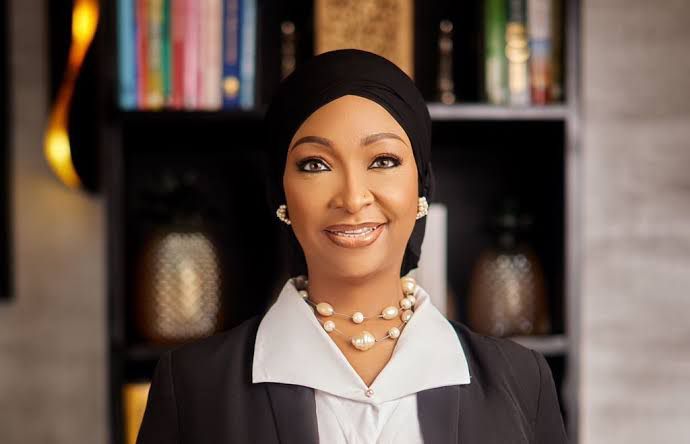
Speaking on the launch of the fund, Minister of Arts, Culture, and Creative Economy, Hannatu Musawa , described the CEDF as a “strategic national investment” designed to unlock the immense potential of Nigeria’s creative industries. “This is not just a financial intervention. It is a call to action for creatives, entrepreneurs, and industry enablers to scale their dreams and contribute to a thriving, inclusive creative economy,” Musawa stated.
The CEDF provides a range of financing options including debt, equity, and grant funding, targeting key sectors such as film, music, fashion, publishing, gaming, digital content, cultural tourism, and art. The fund also emphasizes the importance of intellectual property (IP), encouraging creatives to leverage IP rights—like music catalogs, film rights, and digital assets—as collateral to access financing.
Funding Structure and Application Timeline
The initiative is structured to support creative enterprises at various stages of development. The application process is phased into two stages:
Phase One is currently open and will run until May 30, 2025, focusing on mature projects seeking funding above $100,000.
Phase Two opens on August 4, 2025, targeting Micro, Small, and Medium Enterprises (MSMEs) applying for funding under $100,000.
Selected applicants from Phase One will undergo review, onboarding, and acceleration programs between June and December 2025, with disbursement scheduled to begin January 1, 2026. Disbursements for Phase Two applicants will start on April 1, 2026.
The fund is open to a wide range of individuals and institutions operating in Nigeria’s creative economy, including but not limited to writers, filmmakers, designers, gaming studios, tourism businesses, media platforms, promoters, and even legal consultants. Applications will be evaluated by an independent panel of professionals under the supervision of a private-sector investment committee.
Significantly, the Ministry of Finance Incorporated (MOFI) will serve as the anchor shareholder, ensuring credibility and accountability in fund management. The fund is structured as a professionally-managed investment vehicle, and the government has also called on development partners and private investors to participate via co-investment or sector-specific sub-funds.
According to Musawa, the broader vision of the fund is to position Nigeria’s creative economy as a critical driver of cultural diplomacy and economic inclusion. “We want Nigerian creative assets to gain global visibility while contributing directly to national GDP and employment,” she emphasized.
Industry stakeholders have praised the move, noting that access to affordable financing has been one of the major barriers limiting growth in the Nigerian creative sector. By addressing this challenge and recognizing intellectual property as a viable financial asset, the CEDF could revolutionize how creative businesses operate and scale in Nigeria.
As the application window remains open, creatives across Nigeria are being urged to take advantage of this opportunity to fuel innovation, expand their reach, and elevate Nigeria’s cultural exports on the global stage.
About The Author
