

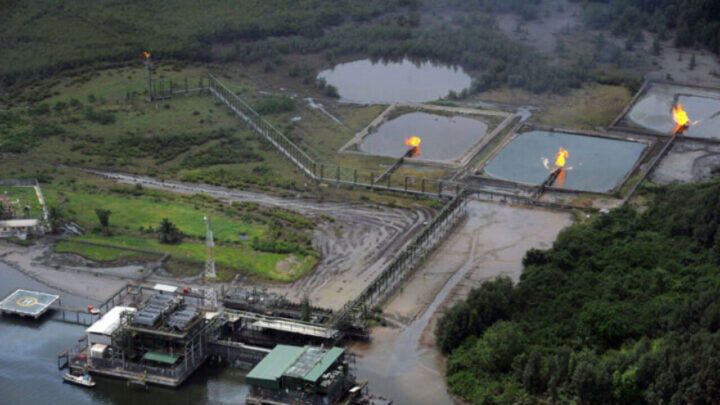
Nigeria is intensifying efforts to recover lost crude output and capitalise on favourable oil prices, as regulators move to eliminate bureaucratic bottlenecks that have long slowed production activities in the upstream sector.
At the centre of this renewed push is the Nigerian Upstream Petroleum Regulatory Commission, which has introduced a fast-track approval regime aimed at accelerating the reactivation of dormant oil assets across the country.
Industry stakeholders say the policy shift signals a more pragmatic and urgency-driven regulatory approach, as Africa’s largest oil producer seeks to reclaim market share in an increasingly competitive global energy landscape.
Nigeria dormant oil wells revival gains momentum with faster approvals
The new policy framework has drastically shortened approval timelines for reactivating idle wells—from several weeks to just hours—marking a significant operational breakthrough for oil producers.
Under the Nigeria dormant oil wells revival strategy, regulators are prioritising applications tied to immediate production gains, particularly re-entry projects that can deliver output within a short timeframe.
Officials familiar with the development say the initiative is designed to unlock stranded capacity and enable operators to respond swiftly to rising global crude prices, which are hovering near the $100 per barrel mark.
By reducing administrative delays, the Nigeria dormant oil wells revival plan is expected to encourage both international and indigenous oil companies to revisit suspended assets and bring them back into production.
Cost-effective pathway to boost crude output
Energy analysts note that reviving dormant wells offers a faster and more cost-efficient alternative to greenfield exploration. While new drilling projects often require years of planning, financing, and development, reactivating existing wells can deliver near-term production with significantly lower capital expenditure.
This makes the Nigeria dormant oil wells revival initiative particularly attractive to indigenous operators, many of whom are seeking quick wins in a capital-constrained environment.
Recent data indicates that the regulator approved hundreds of permits in the past year alone, with key indigenous players such as Seplat Energy Plc and Heirs Energy actively participating in re-entry programmes.
With the new fast-track system in place, the volume of approvals—and by extension, production—could increase significantly in the coming months.
Global oil dynamics create urgency for Nigeria
Nigeria’s renewed focus on dormant wells comes at a time of shifting global oil trade patterns. Geopolitical tensions in traditional supply regions have prompted buyers to diversify sourcing, creating opportunities for alternative producers, including Nigeria and Angola.
However, Nigeria has struggled to fully benefit from previous price rallies due to persistent production shortfalls. Output recently dipped to around 1.31 million barrels per day, well below the country’s target of 1.84 million barrels per day.
The Nigeria dormant oil wells revival strategy is therefore seen as a critical intervention to close this gap and improve the country’s ability to respond to market opportunities.
Officials argue that capturing even a fraction of idle capacity could translate into substantial revenue gains, particularly in a high-price environment.
Government pushes for immediate production gains
The Minister of State for Petroleum Resources (Oil), Heineken Lokpobiri, has repeatedly emphasised the need for operators to prioritise projects capable of delivering quick output increases.
According to him, re-entry programmes, in-field developments, and other short-cycle investments are central to the government’s strategy for boosting production.
He also highlighted ongoing reforms aimed at improving investor confidence, including fiscal incentives and executive orders designed to streamline regulatory processes.
Within this context, the Nigeria dormant oil wells revival initiative serves as a practical demonstration of the government’s commitment to reducing red tape and enhancing ease of doing business in the oil and gas sector.
Addressing structural challenges in the sector
Despite the optimism surrounding the policy, industry experts caution that faster approvals alone may not fully resolve Nigeria’s production challenges.
Issues such as oil theft, pipeline vandalism, ageing infrastructure, and underinvestment continue to weigh heavily on output levels. Without addressing these structural constraints, the gains from the Nigeria dormant oil wells revival programme could be limited.
Nevertheless, the streamlined approval process is seen as a step in the right direction, particularly in restoring investor confidence and improving operational efficiency.
The regulator has also extended the fast-track approach to related activities, including approvals for crude evacuation and deployment of barges, further reducing logistical bottlenecks.
Outlook for Nigeria’s oil production
The success of the initiative will ultimately depend on how quickly operators can convert approvals into tangible production increases. While the policy provides the necessary regulatory support, execution will be critical in determining its impact.
If effectively implemented, the Nigeria dormant oil wells revival strategy could deliver incremental output gains in the short term, helping Nigeria stabilise production and improve revenue inflows.
More broadly, the move reflects a shift toward a more responsive and results-oriented regulatory framework—one that prioritises speed, efficiency, and collaboration between government and industry players.
As global energy markets continue to evolve, Nigeria’s ability to adapt quickly and maximise existing assets may prove decisive in securing its position among leading oil-producing nations.
About The Author
