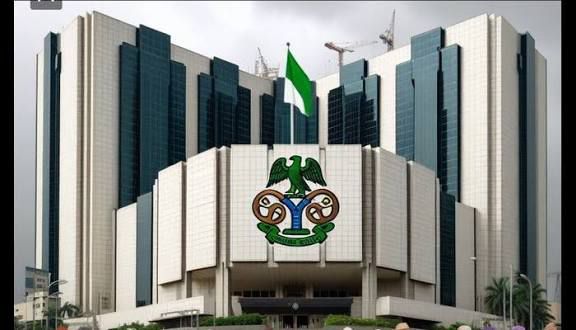
The Federal Government has reiterated its unwavering commitment to achieving Nigeria’s ambitious target of a $1 trillion economy by 2030, a goal set by President Bola Ahmed Tinubu to reposition the country as Africa’s largest and most diversified economic powerhouse.
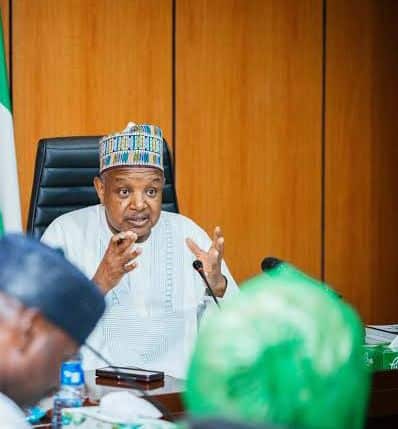
Speaking during a courtesy visit by the European Union (EU) Parliamentary Committee on Foreign Affairs, the Minister of Budget and Economic Planning, Senator Abubakar Atiku Bagudu, said the administration’s economic roadmap places significant emphasis on private sector participation, sustainable growth, and global partnerships.
Private Sector at the Core of the $1 Trillion Economy by 2030 Vision
According to Bagudu, Nigeria’s economic transformation plan is built on the principle of collaboration between government and the private sector, with the latter expected to contribute about 86 percent of total investments needed to achieve the $1 trillion economy by 2030.
“Our President has set a clear and ambitious target for Nigeria to achieve a one trillion-dollar GDP by 2030.
While the task is challenging, it is achievable through strategic partnerships such as the one we share with the European Union,” Bagudu stated.
He noted that the government’s priority is to drive double-digit economic growth that is both inclusive and environmentally sustainable.
“We are pursuing growth that creates jobs, strengthens productivity, and protects the environment,” he said.
Impact of Ongoing Economic Reforms
The minister acknowledged that ongoing economic reforms—such as the unification of foreign exchange windows, the removal of fuel subsidies, and renewed fiscal discipline—are laying the groundwork for a more resilient and self-sustaining economy.
“These reforms, though tough in the short term, are essential for building a future where Nigeria’s economy operates on transparency, competitiveness, and innovation,” Bagudu explained.
He further expressed optimism that the synergy between the Federal Government’s fiscal reforms and monetary policies would create a stable macroeconomic environment capable of attracting foreign direct investment (FDI) and stimulating domestic productivity.
EU’s Support Bolsters Nigeria’s Growth Ambition
Bagudu commended the European Union’s continued partnership with Nigeria, particularly in promoting green energy, digital transformation, and access to finance.
He thanked the EU Delegation to Nigeria, led by Ambassador Gauthier Mignot, for supporting Nigeria’s participation in the 2025 Global Gateway Forum and securing a ₦320.5 billion (€190 million) credit line for Nigerian commercial banks to enhance agricultural lending.
He described the EU’s Global Gateway Project, which aims to invest €300 billion across Africa, as a welcome complement to Nigeria’s development priorities in areas such as renewable energy, healthcare, education, and digital inclusion.
“This partnership reflects our shared vision of an economy that grows inclusively while preserving the environment,” Bagudu said, emphasizing that Nigeria remains open to deeper cooperation in key sectors of mutual interest, including infrastructure, manufacturing, and agro-industrial development.
Benefits and Implications for Nigerians
Experts say the $1 trillion economy by 2030 vision could have far-reaching benefits for Nigerians, including job creation, improved living standards, and enhanced access to quality infrastructure and social services.
By stimulating investment in manufacturing, agriculture, and technology, the government hopes to reduce unemployment and dependence on oil revenues while fostering a knowledge-based economy.
Economists also argue that sustained implementation of fiscal and structural reforms could attract billions in FDI, boost local industries, and expand Nigeria’s export base — all of which are crucial to attaining the $1 trillion GDP milestone.
However, they caution that success will depend on continued policy consistency, effective governance, and improvement in security, power supply, and human capital development.
EU’s View: Nigeria Remains a Strategic Economic Partner
In his remarks, Mr. David McAllister, leader of the EU delegation, reaffirmed Nigeria’s position as the EU’s largest trade and investment partner in Africa, accounting for a substantial share of imports and exports between the two regions.
He said the EU seeks to strengthen cooperation with Nigeria in clean energy transition, industrialization, and economic diversification beyond oil exports.
“We aim to deepen our collaboration to support Nigeria’s manufacturing capacity, promote renewable energy adoption, and drive sustainable development that benefits all citizens,” McAllister said.
Shared Commitment to Inclusive and Sustainable Growth
The visit concluded with both sides pledging to intensify efforts toward expanding economic cooperation and improving access to investment capital.
Acting Permanent Secretary of the Ministry, Dr. Sampson Ebimaro, described the engagement as an opportunity to align Nigeria’s growth aspirations with EU’s development objectives.
“This partnership represents a shared commitment to inclusive growth, institutional strengthening, and sustainable prosperity,” Ebimaro noted.
A Roadmap Toward Economic Transformation
As Nigeria advances its reform agenda, the vision of building a $1 trillion economy by 2030 serves as both a target and a symbol of renewed hope. With consistent implementation, private sector dynamism, and global cooperation, the country could indeed transform into a competitive, innovation-driven economy capable of delivering prosperity to its citizens.
About The Author