The Department of State Services (DSS) has formally assumed control of the investigation into the brutal attack on media mogul Don Pedro Obaseki, signaling a significant development in the pursuit of justice.
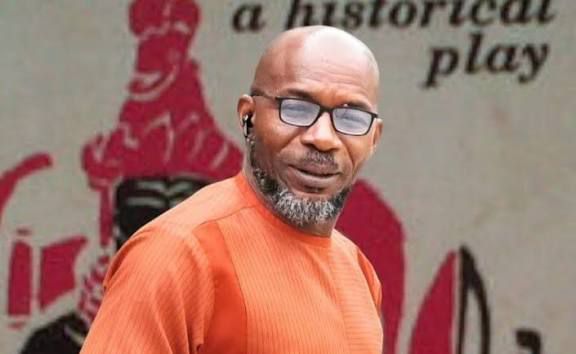
The incident, which occurred on December 28, 2025, has drawn national attention due to its violent nature and alleged links to controversial remarks about the Benin monarchy.
Obaseki was reportedly attacked while playing football with friends. Witnesses say he was forcibly removed from the venue, paraded through public streets, and taken to the palace before being handed over to local police authorities.
He was later released, but the attack left deep concerns over personal safety, the rule of law, and respect for human rights.
Confirmation that the DSS had taken over the case came from Obaseki’s lawyer, Femi Falana, SAN, who briefed journalists in Benin City.
Falana revealed that Obaseki has been fully cooperating with DSS officials under the authority of the State Director, with all interactions and concerns formally documented.
“Any issues arising from conduct, procedural handling, and investigative integrity have been recorded and are now part of the consolidated submissions before the relevant authorities,” Falana said.
Describing the attack as an act of terrorism, Falana explained that multiple formal petitions have been filed with law enforcement, security, and oversight authorities both within Nigeria and abroad.
These petitions include allegations of conspiracy, unlawful detention, assault, obstruction of justice, and terrorism-related conduct.
“The DSS Headquarters in Abuja has been formally petitioned, and it is significant that the Service has agreed to treat the matter as terrorism-related, reflecting the gravity and implications of the attack,” he noted.
The DSS investigation into Obaseki’s assault is further supported by civil proceedings initiated in Nigerian courts.
Beyond Nigeria, petitions have been lodged with international and regional human-rights mechanisms, including the ECOWAS Court of Justice, the European Union human-rights frameworks, and the United Nations Special Rapporteur on torture and arbitrary detention.
According to Falana, these steps ensure transparency, preserve evidence, and align the investigation with Nigeria’s obligations under international anti-terrorism and human-rights standards.
“The formal recognition of the DSS investigation is a welcome development,” Falana said.
“Dr. Obaseki continues to fully cooperate with lawful authorities, and these measures are intended to prevent impunity, maintain accountability, and protect human rights.”
The attack has highlighted broader concerns about personal safety for prominent Nigerians and the role of law enforcement in protecting citizens from politically or socially motivated attacks.
Observers note that by taking over the investigation, the DSS is signaling its commitment to upholding security and the rule of law while sending a clear message against acts of intimidation or violence targeting public figures.
Human-rights organizations have also expressed interest in the case, emphasizing the need for impartial investigations.
The petitions submitted to international bodies seek to hold perpetrators accountable while ensuring that the DSS investigation is conducted fairly and transparently.
These actions reflect a growing demand for stronger mechanisms to prevent abuse of power, unlawful detention, and other rights violations in Nigeria.
Ireport247news
About The Author