

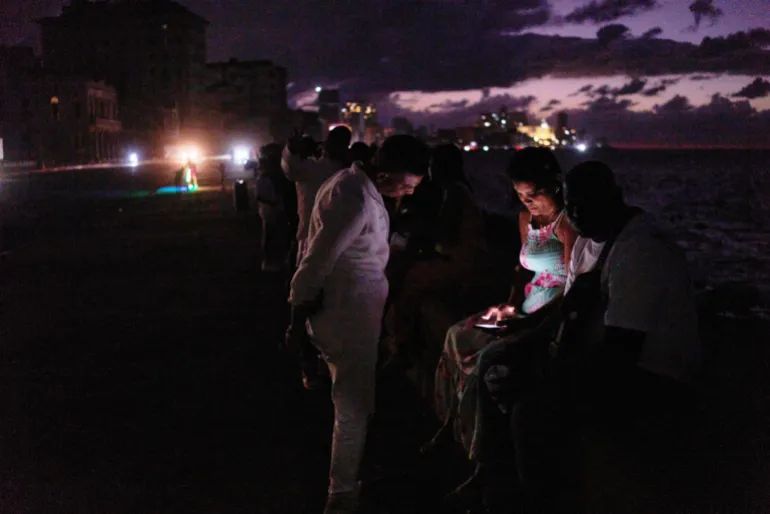
Cuba US attack readiness rises amid blackout crisis and energy blockade tensions as the island nation confronts repeated power failures and escalating geopolitical pressure from the United States. The situation has intensified public concern and government response.
Officials in Havana say attack readiness reflects long-standing defence planning and national mobilisation capacity in the face of external threats and increasing US tensions across the region.
The country is currently dealing with a severe blackout crisis that has left millions without electricity after repeated nationwide grid collapses within days, further straining essential services and daily life.
These blackouts are closely linked to an energy blockade that has restricted Cuba’s access to imported oil and fuel, limiting electricity generation and worsening overall infrastructure instability.
US attack readiness is being emphasized as leaders respond to both internal challenges and external pressure, framing the crisis as part of a broader national security concern.
Deputy Foreign Minister Carlos Fernandez de Cossio stated that Cuba has “historically been ready to mobilise as a nation for military aggression,” reinforcing the government’s position on defence and sovereignty.
This statement underscores the seriousness of US tensions and highlights Cuba’s stance that it will not compromise on its political system or national independence.
The blackout crisis has worsened after another collapse of the national power grid, marking multiple failures within a short period and raising concerns about long-term stability.
Electricity has begun to return gradually in some areas, including parts of Havana, but the recovery remains partial and limited compared to the scale of the outage.
Cuba’s energy crisis continues to deepen as the country reportedly produces only a portion of its required fuel, leaving it heavily dependent on external supplies that are now restricted.
The energy blockade has significantly reduced fuel imports, limiting the country’s ability to sustain power generation and maintain consistent electricity across its population.
The attack readiness has therefore become intertwined with energy challenges, as officials link national security preparedness with resilience against external economic pressure.
US President Donald Trump has intensified rhetoric against Cuba, suggesting increased pressure and potential actions that have heightened US tensions and diplomatic strain.
These remarks have contributed to a more confrontational atmosphere, with Cuban authorities responding firmly to any suggestion of external control or intervention.
This position is also shaped by the country’s historical experience, where national defence and mobilisation have been central to its political identity.
The government insists that its leadership structure is not open to negotiation, rejecting any proposals that would alter the current political system.
This position further deepens US tensions and reinforces Cuba’s commitment to maintaining sovereignty despite economic and political pressure.
The blackout crisis continues to disrupt critical services, including hospitals, which rely on limited restored electricity to function during outages.
Infrastructure weaknesses have become more visible as repeated grid failures expose vulnerabilities in Cuba’s energy systems.
Cuba’s position is presented by officials as a precautionary stance, rather than an expectation of imminent conflict, although the country remains prepared for any scenario.
Military readiness is complemented by civil preparedness, with authorities emphasizing national unity in times of crisis.
The energy crisis is expected to persist unless significant changes occur in fuel supply, infrastructure upgrades, or external trade conditions.
US tensions remain a key factor influencing Cuba’s current situation, shaping both its foreign policy and domestic response strategies.
Despite these challenges, Cuban officials continue to project confidence in their ability to withstand external pressure and manage internal instability.
Cuba US attack readiness remains a central theme in official messaging, reflecting both caution and determination in a period of uncertainty.
The blackout crisis, energy blockade, US tensions, and energy crisis together define the current landscape facing the island nation.
As Cuba works to restore stability, the interplay between energy shortages and geopolitical pressure will continue to shape its future.
Cuba US attack readiness will likely remain a focal point in both domestic policy and international discussions as tensions evolve.
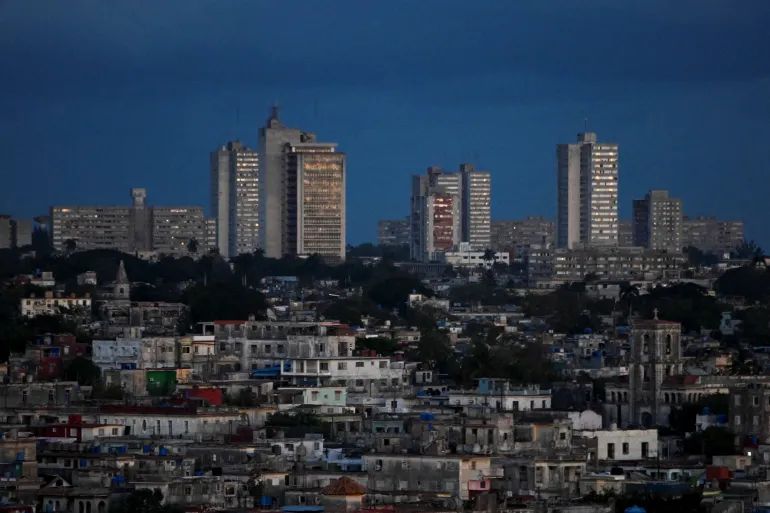
The situation highlights the fragility of energy systems under pressure and the broader implications of political conflict on national infrastructure.
Cuba preparedness amid blackout crisis and energy blockade tensions, summarizing the island’s current challenges and its stance on defence, sovereignty, and resilience in the face of ongoing global pressure.
Read also: Ukraine-Russia war: Putin faces heavy losses as Zelensky warns of escalation
About The Author
