A Federal High Court in Abuja has remanded a lawyer and four others over a cyberbullying case involving Senator Shehu Baba Umar. Hearing resumes November 10.
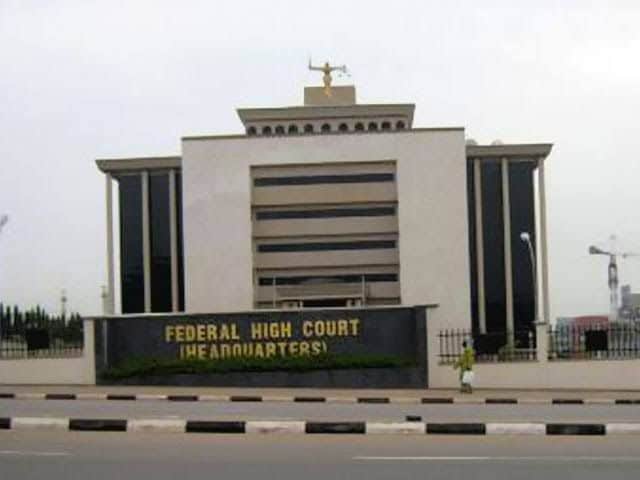
A Federal High Court sitting in Abuja has ordered the remand of a legal practitioner, Ahmed Abdulrahman, and four others in connection with a high-profile Cyberbullying Case involving a serving senator, Senator Shehu Baba Umar.
The court directed that the defendants be kept at the Force Criminal Investigation Department (FCID), Area 10, Abuja, until November 10, 2025, pending the next hearing.
Justice Rita Ofili-Ajumogobia issued the remand order after the accused persons were arraigned on an 11-count charge bordering on cyberbullying, conspiracy, advance fee fraud, and extortion.
The case, instituted by the Inspector-General of Police (IGP), has drawn significant public attention due to its implications for Nigeria’s fight against online crime.
According to the charge sheet presented before the court, the defendants — Ahmed Abdulrahman, Daure David, Ishaq Abubakar Muhammed, Abdulrashid Abdullahi Musa, and Nasiru Usman Abubakar — allegedly used social media and digital communication platforms to threaten, harass, and defame Senator Shehu Baba Umar.
The prosecution accused them of conspiring to launch a coordinated online smear campaign against the lawmaker, demanding money to stop the publication of damaging and false information.
The alleged acts, prosecutors said, violated several provisions of the Cybercrimes (Prohibition, Prevention, etc.) Act, 2015, which prohibits using digital means for harassment, intimidation, or fraud.
The five defendants, represented by their counsel, pleaded not guilty to all charges when they were read in open court.
During Thursday’s session, the prosecution counsel informed the court that the police had gathered substantial evidence against the defendants.
This included electronic messages, financial transaction records, and social media communications that allegedly linked them to the cyberbullying scheme.
The prosecutor further noted that the defendants had created multiple fake online accounts to disseminate defamatory content against Senator Umar and had demanded money to stop further posts.
The court was told that the alleged offences not only injured the senator’s reputation but also posed a threat to public order and trust.
Justice Ofili-Ajumogobia, after listening to arguments, ruled that the matter required detailed scrutiny due to its digital nature and potential implications for public confidence in law enforcement.
She ordered the suspects to remain in FCID custody while the court reviews their bail applications at the next hearing.
She emphasized that cybercrime and digital intimidation were serious offences capable of undermining peace, security, and personal dignity if not firmly addressed.
The unfolding Cyberbullying Case has generated nationwide conversation about the rising trend of online harassment and digital blackmail in Nigeria.
Analysts note that while social media has empowered citizens to express opinions freely, it has also become a tool for misinformation, defamation, and extortion.
The Inspector-General of Police, who authorized the prosecution, warned that the Nigeria Police Force would continue to clamp down on individuals who use the internet to commit crimes under the guise of activism or free speech.
He reiterated that freedom of expression must be exercised responsibly, without infringing on others’ rights or reputations.
The IGP explained that the Cybercrime Unit of the FCID had been monitoring several cases involving digital harassment of public officials and private citizens.
He said the arrest and prosecution of the defendants demonstrated the police’s commitment to upholding justice and curbing misuse of technology.
Investigations into the Cyberbullying Case reportedly began after Senator Umar filed a complaint with the police, alleging that a group of individuals had been sending him threatening messages and spreading falsehoods on social media. He claimed that the suspects demanded payment to stop the smear campaign.
Following the complaint, detectives from the Force CID Cybercrime Unit launched a discreet investigation using digital forensics. The operation led to the tracking of several electronic devices — laptops, mobile phones, and SIM cards — believed to have been used by the suspects.
Police sources confirmed that forensic analysis of the seized devices revealed chat logs, financial exchanges, and incriminating materials directly connecting the accused persons to the extortion attempt. The police are expected to present the findings as evidence when the trial resumes.
The prosecution maintained that the accused acted in concert to damage the senator’s public image, intimidate him, and demand money unlawfully.
Legal experts say the ongoing Cyberbullying Case underscores the urgent need for citizens to understand Nigeria’s cybercrime laws.
The Cybercrimes (Prohibition, Prevention, etc.) Act, 2015 remains the key legal instrument that regulates online conduct, prescribing penalties for offences such as cyberstalking, online fraud, identity theft, and digital defamation.
Cyberbullying, under Nigerian law, carries significant penalties, including imprisonment and fines, depending on the severity of the act. Courts across the country have repeatedly emphasized that freedom of speech does not grant immunity from accountability for online misconduct.
Observers believe that the case will serve as an important precedent for how Nigerian courts interpret the boundaries of free speech, privacy, and digital responsibility.
The case has been adjourned until November 10, 2025, when the court is expected to rule on the defendants’ bail applications and possibly begin trial. Until then, all five defendants remain in police custody at the FCID.
Justice Ofili-Ajumogobia stated that the judiciary is committed to ensuring fair and transparent proceedings while protecting the integrity of Nigeria’s digital space.
As Nigeria continues to grapple with the impact of online misinformation and cybercrime, this Cyberbullying Case is expected to reinforce the importance of responsible digital behavior and the consequences of using technology for unlawful purposes.
Analysts argue that beyond the fate of the accused, the case could set a broader tone for how the judiciary addresses the balance between free speech and accountability in the digital era.
For now, the nation watches closely as the legal process unfolds — a test not just of the law, but of how society adapts to the growing power of online influence and communication.
More news at ireport247news
About The Author